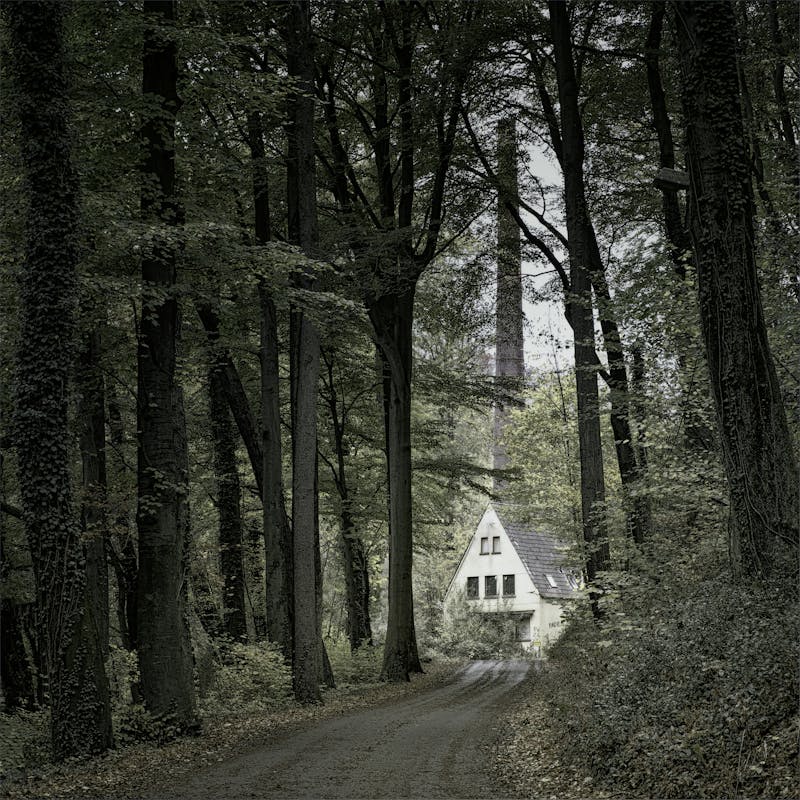
A forest can feel like a quiet promise—until the math shifts.
Forests are often celebrated as climate allies, but the story is more conditional than most headlines suggest. Forest carbon sinks describe ecosystems that remove more carbon dioxide from the atmosphere than they release, storing it in wood, roots, leaves, and soils. People searching this topic usually want a clear answer to a surprising question: how can a stand of trees ever become a carbon source?
The short version is that a forest’s carbon balance depends on growth, decay, disturbance, and time. Trees can absorb huge amounts of carbon while they’re actively growing, but drought, heat, insects, fire, logging, and even “normal” aging can flip the equation.
What are forest carbon sinks, really?
A forest is a carbon sink when photosynthesis and biomass growth exceed emissions from respiration and decomposition. In practice, carbon is constantly moving: trees pull CO₂ from the air, convert it into sugars, and build trunks and roots; at the same time, plants and microbes “breathe” carbon back out.
It helps to picture the forest as a bank account rather than a vault. Deposits come from growth. Withdrawals come from plant respiration, microbial decomposition in soils, and disturbances that rapidly oxidize stored carbon.
A key nuance: carbon can be “stored” without being safely locked away. A mature forest can hold a lot of carbon, but if a single extreme event releases a portion quickly, the net balance over years can still turn negative.
When do trees emit more carbon than they absorb?
Trees and forests become net emitters when losses outpace gains over a given period—often after disturbance, or during prolonged stress.
One common turning point is drought and heat. Hotter air increases evaporative demand, drying soils and stressing trees. Photosynthesis often slows as stomata close to conserve water, while respiration can remain high, especially during warm nights. That combination shrinks the “net” uptake.
Then there’s mortality. When trees die from water stress, windthrow, or competition, the forest doesn’t instantly release all its stored carbon—but the clock starts ticking. Dead wood becomes fuel for decomposers, and over years it returns carbon to the atmosphere.
Finally, forests can lose carbon rapidly through fire. Flames convert living and dead biomass into CO₂ in hours. Some carbon remains as charcoal and partially burned material, but severe, repeated fires can overwhelm any regrowth.
The hidden role of soils, fungi, and slow decay
Aboveground trunks get most of the attention, yet soils often store as much—or more—carbon than living vegetation. That storage is shaped by a dense community of fungi, bacteria, insects, and roots.
Soil carbon is not automatically permanent. Warming can accelerate microbial activity, which speeds decomposition and CO₂ release. Drying can reduce decomposition in some places, but it can also weaken plants and reduce the fresh carbon inputs that normally “feed” soil building.
Disturbance matters here too. When fire burns organic layers, or logging disturbs soil structure, carbon that took decades to accumulate can be lost quickly. In other cases, soils can remain a stabilizing reservoir even when aboveground carbon fluctuates—one reason scientists measure both pools when evaluating forest carbon sinks.
Disturbance: wildfire, pests, storms, and logging
Some disturbances are natural and historically part of forest cycles. The difference now is intensity, frequency, and overlap.
Wildfire has become more extreme in many regions due to heat, drought, and longer fire seasons. A single megafire can turn a landscape from sink to source for years, and repeated burns can prevent forests from reestablishing, shifting ecosystems toward shrubland or grassland with smaller carbon stocks.
Insect outbreaks can have a similar effect. Warmer winters may allow more pests to survive, and drought-stressed trees are less able to defend themselves. Large areas of dead trees don’t just stop absorbing carbon; they also become a decomposition pipeline.
Storms and wind can flatten stands in minutes. Downed trees may still store carbon temporarily, but decay and salvage operations can accelerate release.
Logging is more complicated than “good” or “bad.” Harvest removes carbon on-site, but some portion may be stored in long-lived wood products. The bigger questions are what replaces the forest, how soils are treated, how quickly regrowth occurs, and whether the landscape is more vulnerable to future disturbances.
Are older forests still valuable carbon sinks?
Yes—often. Many older forests continue to accumulate carbon, especially in soils and large woody biomass, and they store massive existing carbon stocks that are risky to lose.
The misconception is that “old equals carbon-neutral.” While growth rates can slow, old forests can still add carbon over time, and their stability can be valuable. However, if climate stress or disturbance increases, even old forests can flip from net uptake to net emission.
This is why climate strategies increasingly focus on two ideas at once: protecting high-carbon forests from avoidable loss, and improving conditions that help forests keep growing—especially in places where heat and drought are tightening the limits.
Keeping forest carbon sinks resilient in a warming world
Resilience isn’t a single action; it’s a pattern of choices that reduce the odds of abrupt, irreversible loss.
In fire-prone regions, that can mean thinning overly dense stands, using prescribed burns where appropriate, and protecting old, fire-resistant trees that anchor recovery. In drought-prone areas, it can involve restoring wetlands, reducing fragmentation, and favoring species and age structures better suited to future conditions.
It also means treating carbon as more than a snapshot. A forest that looks “green” today might be living on borrowed time if it’s overstocked, stressed, or surrounded by repeated ignition sources. The most useful view is net carbon over decades, alongside biodiversity, water, and community safety.
Forests don’t break their promise when they emit more than they absorb; they’re responding to physics, biology, and disturbance. The real lesson is humbler and more practical: forest carbon is powerful, but it’s not guaranteed. Protecting and restoring forest carbon sinks is less about assuming permanence—and more about shaping conditions so the balance stays on the right side of zero.