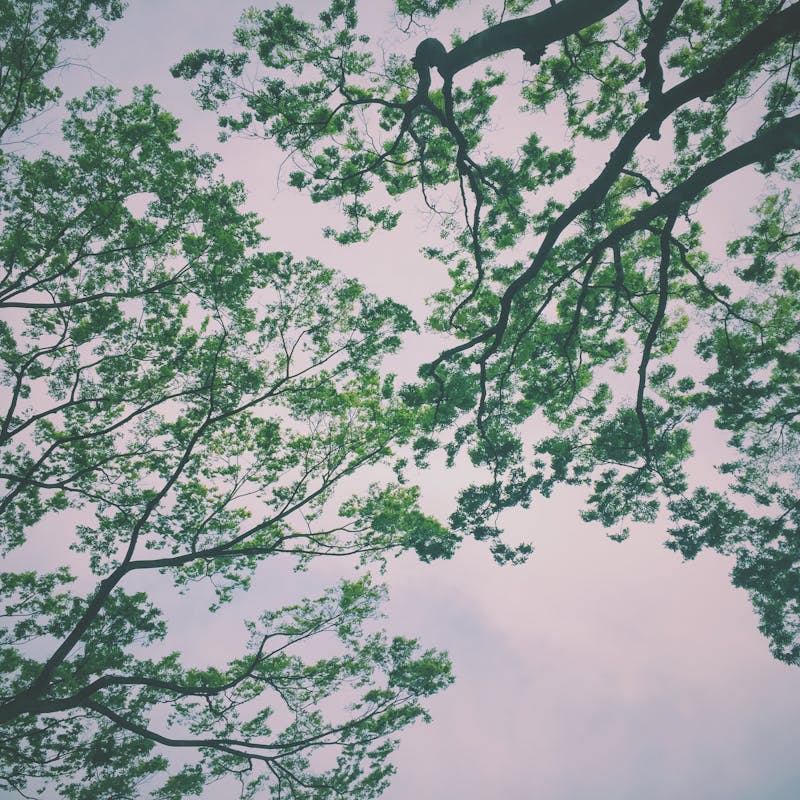
A city’s quiet superpower is often overhead, leaf by leaf.
The phrase urban tree canopy benefits can sound like a planning slogan, but people usually search it for practical reasons: they want to know what trees actually do in dense neighborhoods, whether the numbers justify the investment, and why some blocks feel cooler, calmer, and more livable than others. The answer is that tree canopy is not a single “nice-to-have.” It’s a stack of services—temperature control, stormwater management, public health support, habitat, and even economic stability—that compounds over time.
In cities, where heat, pavement, noise, and air pollution are concentrated, that compounding effect can be bigger than leaders expect—especially once you factor in equity, maintenance, and the long life cycle of trees.
Why urban tree canopy benefits add up faster than you think
Trees don’t offer one benefit; they offer many at once, in the same square of shade. That’s why canopy can feel like it “punches above its weight” compared to other urban upgrades.
Shade is the obvious first layer. When sunlight hits asphalt and dark roofs, it becomes stored heat that radiates into the evening. A mature canopy interrupts that process by shading surfaces and cooling the air through evapotranspiration. The result is less heat stress for pedestrians, less strain on cooling systems, and a neighborhood that stays usable later in the day.
Then there’s the second layer: water. Leaves and branches slow rainfall, and tree roots help soil absorb it. Even a modest increase in canopy can reduce the speed and volume of runoff headed toward overworked storm drains.
Finally, trees change behavior. A shaded sidewalk invites walking. A street that feels pleasant tends to be used more, watched more, and cared for more. Those “soft” outcomes aren’t as easy to measure as temperature, but they shape how safe and connected a place feels.
What makes urban tree canopy benefits different from planting more trees?
Urban tree canopy is not the same as “trees planted.” Canopy is about coverage, survival, and maturity.
A newly planted sapling is a promise, not shade. Many of the most valuable outcomes—cooling, rainfall interception, habitat—expand dramatically as a tree grows. That means the biggest wins often come from protecting existing mature trees while planting new ones that will survive long enough to join the canopy.
It also means canopy has geography. Two neighborhoods can report the same number of planted trees, but if one has wide streets, healthy soil, and protected root zones, the canopy will be denser and the benefits more noticeable. The difference is less about intent and more about conditions.
Cooling, heat resilience, and the way people actually experience streets
Heat isn’t just a weather problem; in cities it becomes an infrastructure problem. Pavement-heavy areas store warmth, and nighttime cooling slows down. That’s why the hottest spots often aren’t downtown landmarks—they’re residential blocks with little shade and lots of dark surface area.
Canopy cools in two ways: it reduces radiant heat from the sun and it adds evaporative cooling. The practical consequence is that a shaded route can be meaningfully more comfortable than an unshaded one, even within the same neighborhood.
That changes daily life. Parents linger at a playground instead of leaving early. Older adults take a walk without feeling like they’re risking their health. Outdoor workers get micro-breaks from the sun simply by moving between shaded zones. When planners talk about “heat resilience,” this is what it looks like at ground level.
Cleaner air, quieter blocks, and the public health ripple effect
Trees don’t “solve” urban air pollution, but they can reduce exposure in targeted ways—especially by filtering particulates and changing airflow patterns along streets. The biggest public health value is often indirect: cooler neighborhoods reduce heat-related illness, and greener streets make walking and biking feel more feasible.
There’s also the mental side. A canopy-lined street lowers visual stress. It adds seasonal cues—buds, shade, fall color—that remind people they live in an ecosystem, not only a grid of buildings.
Noise is part of the story too. Leaves and branches can soften high-frequency sound and create a sense of acoustic separation from traffic. Even when decibel changes are modest, the perception of quiet matters; it affects sleep, concentration, and the feeling that a home is a refuge.
Stormwater, flooding, and the hidden value of roots and soil
When heavy rain hits hard surfaces, it moves fast. That speed is what overwhelms drains, floods basements, and sends polluted runoff into waterways.
Tree canopy slows the first wave of rainfall by catching it on leaves and bark. Just as important, healthy root systems keep soil porous. In many cities, soil has been compacted by construction, foot traffic, and repeated digging for utilities. Without intervention, planting a tree into compacted soil can be like putting a straw into concrete.
This is where cities sometimes underestimate urban tree canopy benefits: the canopy is visible, but the underground work—soil volume, root protection, mulching, and avoiding repeated disturbance—is what makes the canopy durable.
Equity, neighborhood investment, and who gets to live under shade
Canopy isn’t distributed evenly. In many places, wealthier neighborhoods have older trees, larger yards, and more political leverage to protect green space. Hotter, lower-canopy areas often align with communities already burdened by higher energy bills, poorer air quality, and fewer parks.
Treating canopy as an equity issue changes the strategy. It’s not only about planting. It’s about selecting species that can handle heat and drought, ensuring young trees get water during establishment, and designing streets so trees have room to grow without becoming future conflicts with power lines or sidewalks.
The most meaningful canopy plans also listen. Residents know which corners flood, which stops lack shade, which sidewalks need repair, and which vacant lots could become mini-groves instead of heat sinks.
Making canopy last: maintenance, species diversity, and patience
A city can announce tens of thousands of trees, but canopy is built through care. Young trees need watering, mulching, and protection from damage. Mature trees need pruning, risk assessment, and sometimes tough decisions about removal and replacement.
Diversity matters because urban forests face pests, disease, and climate stress. A canopy dominated by one species can disappear quickly when a new threat arrives. A mixed urban forest spreads risk and tends to support more birds and beneficial insects.
Patience is the final ingredient. Tree canopy is a long game in a short-term political world. But that’s also its strength: every year a surviving tree grows, its services expand—more shade, more interception, more habitat, more beauty.
A bigger city future, one shaded block at a time
The most surprising thing about urban tree canopy benefits is how personal they feel. You don’t need a report to notice when a street becomes walkable in July, when a bus stop finally has relief from the sun, or when a rainstorm stops turning an intersection into a shallow lake.
Cities often chase headline projects because they look decisive. Canopy work looks slower, quieter, and sometimes inconvenient—until you realize it’s a form of everyday protection.
A healthy canopy doesn’t just decorate a city. It teaches a different pace of thinking: invest now, care consistently, and let time do what time does—turn small living choices into a climate-ready place people actually want to inhabit.