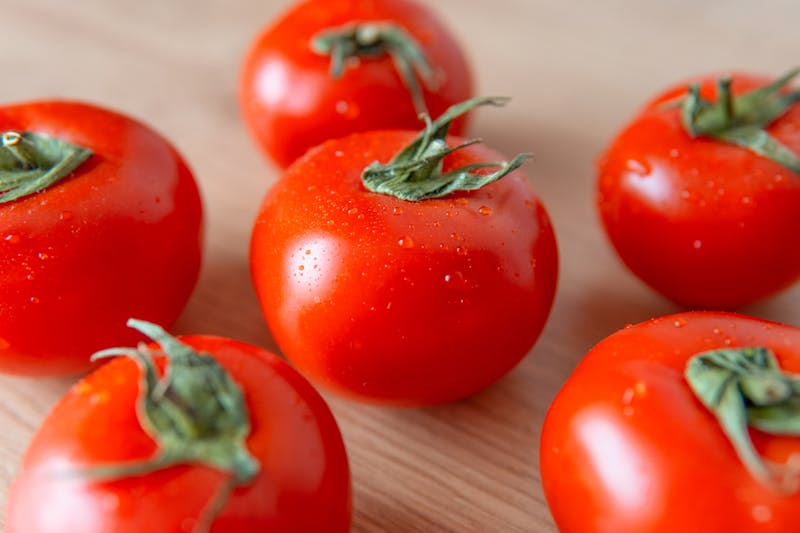
“Juicy, vibrant, and tough as nails.” That’s the vision scientists have for tomorrow’s tomato.
The Rise of the Red Revolution
Tomatoes are a staple worldwide: eaten fresh, cooked into sauces, dried into snacks. Yet modern agriculture faces mounting pressure—climate change brings drought, heat, salinity, and unpredictable seasons. Meanwhile, a growing global population demands more nutritious crops with longer shelf life and consistent yields. Enter genetic innovation: genetically modified (GM) tomatoes and drought‑resilient varieties stand at the forefront of this “red revolution.”
The Pioneer: Flavr Savr and Delayed Ripening
In 1994, the first commercial GM tomato was introduced. Engineered to suppress an enzyme that softens fruit, it ripened more slowly and stayed fresher during transport. Though it was eventually discontinued, it proved GM fruit could match the safety and utility of conventional crops.
This breakthrough spurred further global research, targeting not only quality but stress-hardiness.
Engineering Stress Tolerance
Later GM tomatoes included genes boosting salt or drought resistance. Some varieties were designed to improve water retention or thrive in saline soils, enabling farmers to grow them in challenging environments.
Modern Advances: Shelf-Stable, Stress-Proof Tomatoes
Recent breakthroughs have led to seedless tomatoes with improved shelf life and resilience against drought and heat. These varieties are being tested in field trials and represent a step toward combining consumer appeal with environmental adaptability.
GM tomatoes today are developed with multiple traits in mind—nutrition, shelf life, disease resistance, and climate resilience.
Drought Resistance through Genetic Insight
Scientists are also studying native tomato responses to drought. By overexpressing certain genes or enhancing proteins that protect cells from stress, researchers have developed plants that survive better under water scarcity.
Modern tools like RNA sequencing help identify drought-responsive genes. These insights enable breeding or gene editing approaches that enhance tolerance without necessarily adding foreign DNA.
Jumping Genes and CRISPR
Some researchers have found naturally occurring genetic elements that activate under drought stress. These can potentially be used to help tomatoes adapt more quickly to tough conditions.
CRISPR editing allows for precise modifications to improve root systems, control flowering time, and boost resilience. These changes are often less controversial than traditional GMOs and may face fewer regulatory hurdles.
Grafting and Smart Farming Tools
In addition to genetics, farmers use grafting—placing tomato plants on stronger root systems—to improve water and nutrient uptake. This enhances yield and allows cultivation in more extreme conditions.
Innovations like moisture-retaining mulch also reduce evaporation and boost productivity. These physical methods work well alongside genetic improvements.
Global Policies and Public Perception
Rules about GM crops vary. Some countries have strict regulations, while others increasingly view gene-edited crops as a way to adapt to climate change. Public skepticism remains, and clear communication, labeling, and transparency are key to building trust.
In regions where drought and food insecurity are growing concerns, these technologies are being embraced as part of a solution.
Why Tomatoes Matter for Food Security
- Yield Stability: Drought-resistant varieties produce even under water stress.
- Nutrition: Tomatoes can be enhanced with higher levels of vitamins and antioxidants.
- Environmental Benefits: More productive crops reduce land use and pesticide needs.
- Consumer Appeal: Seedless, longer-lasting, better-tasting tomatoes can reduce food waste.
- Climate Resilience: In regions like California, drought threatens tomato supply, impacting both fresh markets and processing industries.
Challenges Ahead
- Regulations: Differ widely across countries and affect development timelines.
- Seed Ownership: Patents may restrict seed-saving practices.
- Biodiversity Risks: Potential mixing with wild species requires careful management.
- Field Performance: Lab results don’t always translate to the farm.
- Public Debate: Ethical and natural concerns persist, especially in regions with strict food policies.
The Path Forward
Future strategies should blend innovation with practicality:
- Use both genetic and non-genetic approaches.
- Accelerate field trials to confirm lab successes.
- Tailor regulations to match the type of technology used.
- Engage the public with clear, honest information.
- Share benefits with farmers globally, especially in drought-prone regions.
A Red Hope for the Future
Tomatoes might look simple, but they represent something profound in the fight for global food security. With smart innovation, they can resist climate stress, feed more people, and waste less. That red fruit on your plate may soon become a symbol of resilience and a sustainable food future.