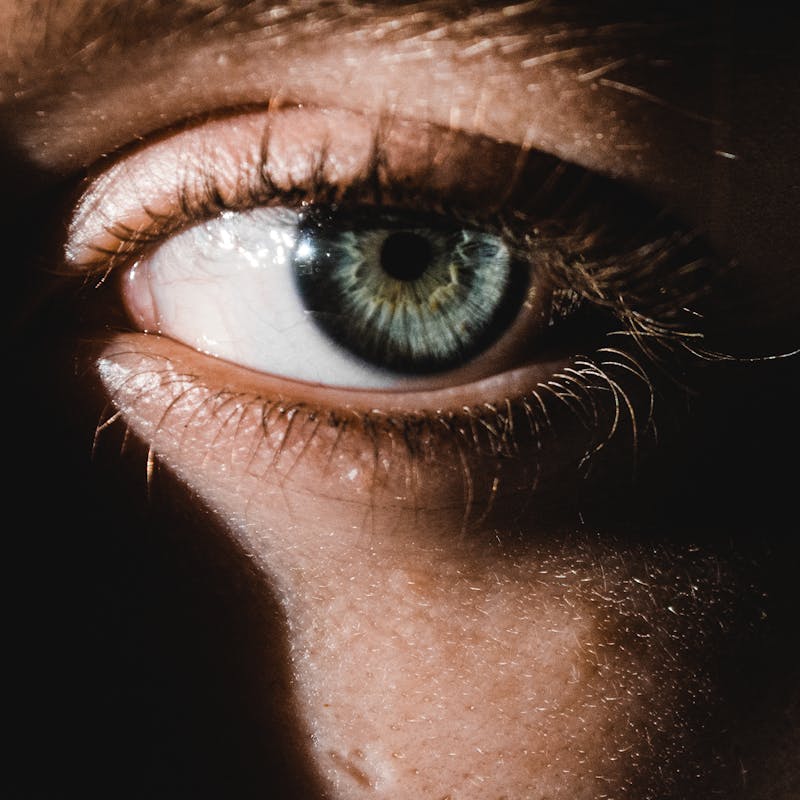
At night, the mind can turn the dark into a spotlight.
Sleep is supposed to be a soft landing. But for many people, bedtime becomes a test: you lie down tired, yet your body stays alert, scanning for reasons you might not rest. Sleep anxiety symptoms are often quieter than a panic attack and easier to dismiss as “just stress,” but they can steadily reshape your evenings, your confidence, and your days.
This piece is for anyone who senses that something is off around sleep—dread before bed, a racing mind after lights-out, or a morning that never feels like recovery. The goal is clarity: what these symptoms can look like, why they happen, and what helps you respond with calm, practical steps rather than more pressure.
What are sleep anxiety symptoms, really?
Sleep anxiety symptoms are signs that anxiety is interfering with the ability to fall asleep, stay asleep, or feel safe and settled at bedtime. They can be emotional (worry, dread), cognitive (racing thoughts, rumination), physical (tight chest, stomach flutter), or behavioral (avoidance, constant checking of the clock).
Sometimes anxiety is the main driver. Other times, a period of poor sleep—travel, illness, a demanding season at work—creates a fear of not sleeping, and that fear becomes the engine that keeps you awake.
Quiet signs you might be overlooking
Not everyone experiences dramatic insomnia. Often it’s subtle, like a pattern you only notice in hindsight.
One sign is anticipatory tension: you start feeling keyed up in the evening, even if the day was manageable. Your shoulders sit higher, your jaw clenches, and you “can’t quite exhale” once bedtime approaches.
Another is sleep performance pressure. You do mental math—how many hours are left, what you’ll be like tomorrow, how much damage one bad night can do. The bed becomes a scoreboard.
You might also notice micro-avoidance: staying up later than you intend because you don’t want to face the struggle of trying to sleep. Scrolling, reorganizing a drawer, watching “one more episode” can be a way to postpone the moment you fear.
And there’s the morning after-effect that isn’t just fatigue. You wake up feeling as if you’ve been bracing all night: unrefreshed, irritable, with a thin tolerance for normal stress.
When your body is tired but your nervous system is on duty
Anxiety doesn’t only live in thoughts; it lives in physiology. At bedtime, the brain and body need to downshift. When your nervous system reads the night as a problem to solve, it produces the opposite state—alertness.
That can show up as a racing heart, shallow breathing, restlessness in the legs, or a stomach that feels unsettled the moment you lie down. Some people experience temperature shifts (hot flashes, chills) or a sensation of “buzzing” in the body.
A common loop looks like this: a normal sleep disruption happens → you worry about the next night → you monitor sleep more closely → monitoring increases arousal → arousal delays sleep. It’s not a character flaw; it’s a nervous system doing what it believes is protective.
Why nights amplify worry
Nighttime removes distractions. There’s no email to answer, no conversation to carry you away from yourself. For an anxious mind, that quiet can feel like an open mic.
If you’ve had a stressful season, grief, relationship uncertainty, health worries, or financial pressure, bedtime can become the only place those thoughts have room to unfold. Even positive changes—new jobs, moving, a baby, travel—can trigger arousal because your brain is tracking novelty.
There’s also learned association: after enough difficult nights, your brain links the bed with struggle. You can feel anxious because it’s bedtime, not because anything urgent is happening.
What makes sleep anxiety different from “just insomnia”?
The difference is the emotional tone. With sleep anxiety, the core experience is fear of being awake or fear of what a bad night means. The worry often starts before you even get into bed.
Insomnia can exist without that fear—some people simply can’t sleep and feel frustrated. With sleep anxiety, frustration quickly becomes threat: “If I don’t sleep, tomorrow will be a disaster,” or “What if this never gets better?” That threat interpretation keeps the system activated.
Gentle shifts that reduce the spiral
The most effective changes are often the least dramatic, because they teach safety rather than adding another task to “get right.”
Start by easing clock pressure. If you tend to check the time, consider turning the clock away or keeping your phone across the room. Time-tracking invites your brain to perform.
Next, build a short wind-down that signals permission, not perfection. Dim light, a warm shower, stretching, or a few pages of a familiar book can help. Consistency matters more than length.
If your mind races, try externalizing it: jot down tomorrow’s top three priorities and one “worry note” that you’ll revisit in daylight. The point isn’t to solve everything—it’s to stop negotiating with your brain at 1 a.m.
And if you’re lying awake, consider a compassionate reset: get up briefly, keep lights low, do something boring and calming, then return to bed when sleepiness returns. This helps the bed regain its role as a cue for rest rather than struggle.
When to get extra support
If sleep anxiety symptoms are happening most nights, lasting more than a few weeks, or affecting work, mood, or relationships, it’s reasonable to seek help. Cognitive behavioral therapy for insomnia (CBT-I) and therapy approaches that address anxiety can be highly effective, especially when the problem has become a learned pattern.
Also consider talking with a clinician if you snore loudly, wake gasping, have significant nighttime reflux, persistent pain, or symptoms of depression—sleep disruption can have multiple contributors, and treating the right one matters.
A quieter way to measure progress
A better night isn’t always the night you fall asleep instantly. Sometimes progress is smaller: less dread at 9 p.m., fewer clock checks, a quicker return to calm after a wake-up.
Over time, the goal is to rebuild trust—trust that your body knows how to sleep, and trust that even if one night is rough, you can still move through the next day. The dark doesn’t have to be a spotlight. It can be a place where your nervous system finally gets the message: nothing needs solving right now.