Confidence isn’t a costume—you can wear your real self to the interview.
First job interviews are rarely hard because you don’t have potential; they’re hard because your body treats the moment like a spotlight. The best first job interview tips don’t ask you to become someone else. They help you channel nerves into clarity while keeping the parts of your personality that make you memorable.
If you’re preparing for your first interview, your goal is simple: communicate value with calm, even if you’re still learning what “professional” feels like. That means understanding what interviewers actually listen for, practicing a few high-leverage stories, and building a pre-interview routine that steadies your mind without flattening your voice.
Why first job interview tips matter more than you think
A first interview is often your first close-up conversation with a workplace culture. You’re not only being evaluated; you’re learning what it’s like to speak up, explain choices, and read a room.
Good preparation reduces the mental noise that makes you ramble or freeze. It also helps you avoid the most common first-timer trap: trying to guess the “right” personality. Most hiring managers aren’t looking for a perfect persona—they’re looking for someone who can learn, communicate, and follow through.
What are the best first job interview tips for calming nerves fast?
The fastest calm comes from predictability: knowing what you’ll say first, how you’ll answer common questions, and what you’ll do if you blank. Start by scripting your opening 20 seconds—your name, what you’re studying or doing now, and one reason you’re excited about the role.
Next, try a simple grounding routine right before you walk in (or join the call): slow your breathing, drop your shoulders, and put both feet on the ground. It sounds basic, but nerves often show up as speed—fast talking, fast thinking, fast apologizing.
Finally, give yourself permission to pause. A two-second pause reads as thoughtful, not unprepared.
Keep your personality—just aim it
Personality in an interview isn’t telling jokes or sharing your entire life story. It’s the tone and texture of how you think: the way you explain, the examples you choose, and the curiosity you show.
A good rule: be warm, but stay relevant. If you’re naturally enthusiastic, let that show when you talk about learning new systems or helping customers. If you’re more reserved, lean into steadiness—clear answers, good listening, and a calm presence.
Professional doesn’t mean “neutral.” It means your energy is controlled enough that other people can trust it.
Build three small stories you can reuse
Many first-time candidates worry because they don’t have “real” experience. But you do have evidence—class projects, volunteer shifts, sports, clubs, family responsibilities, personal projects, even a difficult semester.
Pick three stories that show:
- Responsibility: You followed through when it would’ve been easier not to.
- Problem-solving: You noticed something wasn’t working and improved it.
- People skills: You handled a conflict, helped someone, or coordinated a group.
Keep each story tight: what the situation was, what you did, and what changed because of it. This structure keeps you from overexplaining, and it makes your answers feel grounded.
Answer common questions without sounding rehearsed
Interviewers often start with familiar prompts because they want to see how you think under mild pressure. “Tell me about yourself” isn’t a biography request; it’s an invitation to connect your background to the job.
Try a simple shape:
- What you’re doing now (school, training, current role)
- What you’ve been learning that relates
- Why this role makes sense next
When you practice, don’t memorize sentences. Memorize bullet-point ideas and practice saying them three different ways. That’s how you stay natural.
Research that actually helps (and doesn’t waste your night)
You don’t need to read the entire internet. You need a few specifics that prove you took the role seriously.
Look up:
- What the company or organization actually does (in plain language)
- The job description and the top 3 tasks you’d likely do weekly
- A recent update: a new product, a community initiative, a change in services
Then, prepare one line that connects you to it: “I noticed you’ve been expanding X, and I’m interested because I’ve been learning Y.” This is one of those first job interview tips that quietly shifts you from “hopeful” to “intentional.”
Questions to ask that sound like you—and signal maturity
Asking questions isn’t a formality; it’s your chance to learn how work happens day to day.
Good options:
- “What does success look like in the first 60–90 days?”
- “How do you train someone new to the team?”
- “What do you enjoy about working here?”
If you’re worried about sounding scripted, choose one question that reflects your real concern. If you care about feedback, ask how performance is reviewed. If you care about scheduling, ask what a typical week looks like. Curiosity is a form of confidence.
Handling mistakes in the moment
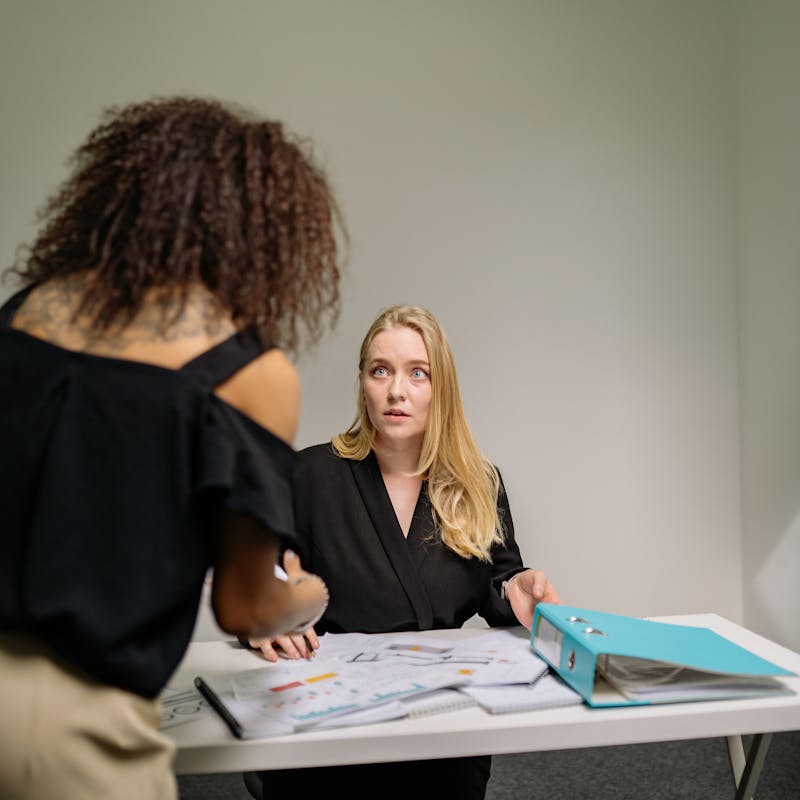
You might stumble over a word or forget part of an answer. It’s not fatal. Most interviewers are watching how you recover.
If you blank, say: “Let me take a second to think.” If you realize you didn’t answer fully, add: “One more thing that’s relevant…” This is more professional than nervously filling space.
And if you said something awkward, don’t punish yourself mid-interview. Bring your attention back to the next question. The ability to reset is a skill employers value.
A calm ending that stays human
Near the end, you’ll likely hear: “Anything else you’d like us to know?” Use it to underline fit, not to beg.
Try: “I’m excited about this because I like roles where I can learn quickly and be useful. I’m ready to work hard, and I’m also coachable.” It’s honest, forward-looking, and it sounds like a real person.
The best first job interview tips aren’t about performing perfection. They’re about showing up prepared enough that your personality can breathe. When you don’t have to fight your nerves, you can do the thing interviews are actually for: connect, communicate, and take the first step into a new kind of life.