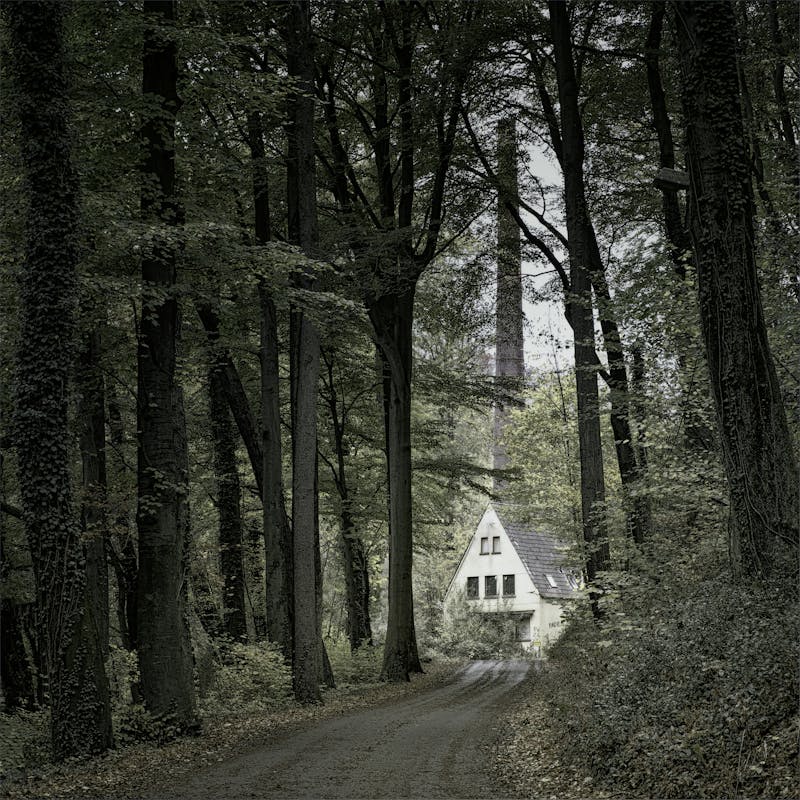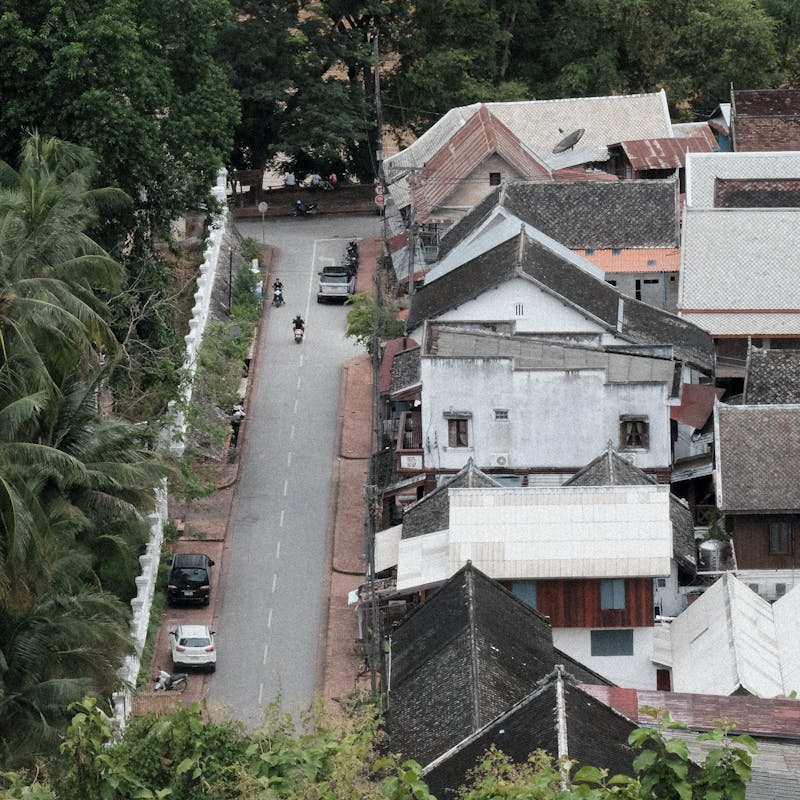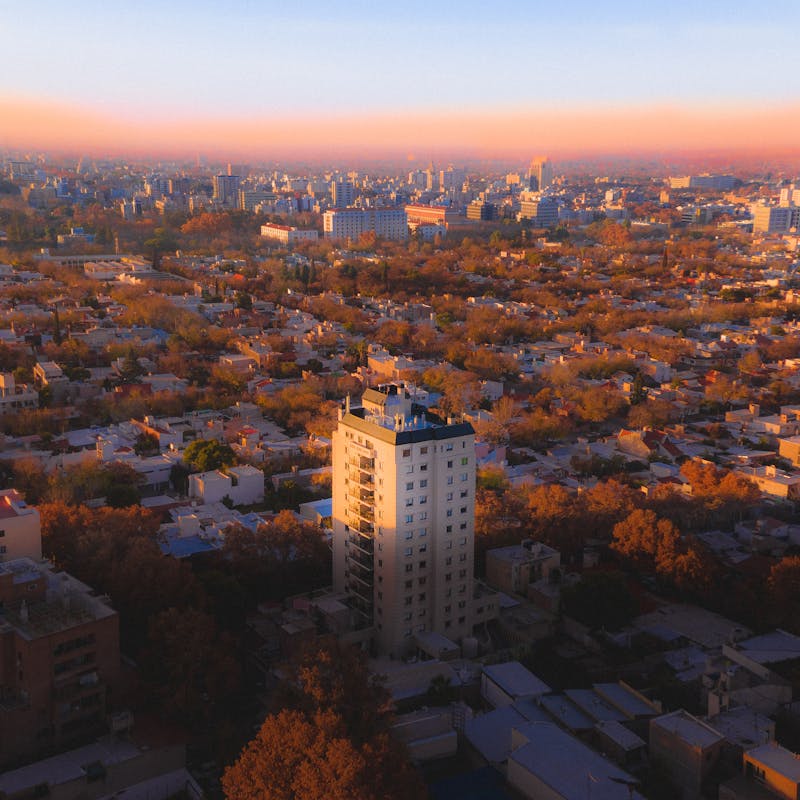
Shade is infrastructure you can hear only in birdsong.
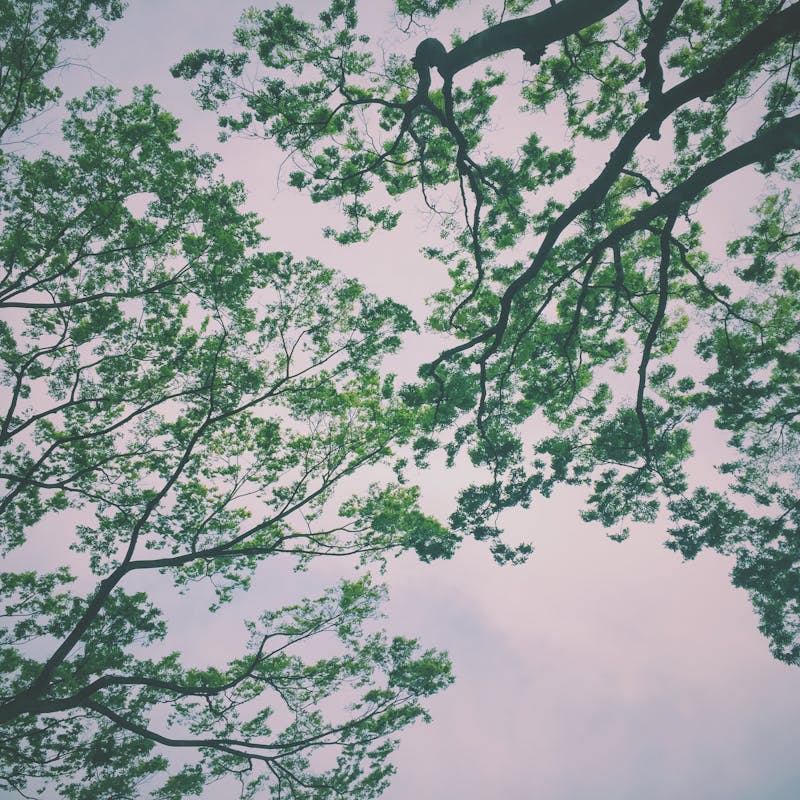
Cities are getting hotter, and not just in the way weather apps dramatize. Pavement and rooftops absorb sunlight all day and release it slowly at night, keeping neighborhoods warm long after sunset. That’s where the urban tree canopy comes in: the leafy layer formed by street trees, park trees, and backyard trees that together cool blocks, soften storms, and make daily life feel more breathable.
People searching this topic usually want a clear answer to a practical question: does planting and protecting trees really change temperature and comfort on the ground? The short version is yes—especially when canopy is placed where people walk, wait for buses, and live in heat-vulnerable homes. But the deeper story is about design, equity, and the long timelines of growing something that quietly reshapes a city.
How the urban tree canopy actually cools a city
Cooling isn’t magic; it’s physics and plant biology working together.
First, tree leaves provide direct shade, reducing how much sunlight hits asphalt, concrete, cars, and building facades. When surfaces stay cooler, the surrounding air does too. Anyone who’s crossed from a treeless parking lot into a shaded sidewalk knows the difference immediately.
Second, trees cool through evapotranspiration. Water moves from roots to leaves and evaporates, pulling heat from the air like a natural air conditioner. This effect becomes especially valuable on still, hot afternoons when heat seems to pool between buildings.
Third, canopy changes the feel of a street by reducing glare and slowing the warming of nearby walls and windows. Even when the thermometer doesn’t drop dramatically, the perceived comfort can improve because people aren’t being baked by radiant heat.
What makes an urban tree canopy plan effective?
An effective plan isn’t simply “plant more trees.” It’s “plant the right trees, in the right places, and keep them alive long enough to matter.”
Canopy is often described as a percentage—how much of an area is covered by leaves when viewed from above. But a city can boost that number while still leaving critical corridors exposed. A dense park canopy is wonderful, yet it won’t help someone waiting at a sunny intersection three blocks away.
The most impactful canopy strategies prioritize:
- Heat hotspots such as wide arterials, industrial edges, and neighborhoods with little green space
- Pedestrian routes to schools, transit stops, clinics, and grocery stores
- Residential blocks where nighttime heat lingers and air conditioning is limited
There’s also the question of time. New trees are investments with a slow payoff. The cooling effect grows as crowns spread, which is why protecting mature trees can be as important as planting saplings.
Cooling is only one benefit—canopy changes the whole urban climate
Temperature grabs headlines, but the canopy’s quieter benefits are often what residents notice first.
During heavy rain, leaves and soil help slow runoff, easing pressure on storm drains. On windy days, trees can reduce dust and make streets feel less harsh. Over the long term, shaded buildings may need less energy for cooling, which can reduce strain on electrical grids during heat waves.
Then there’s the social side: shaded sidewalks invite walking. A tree-lined street feels less like a corridor and more like a place. That shift—subtle but persistent—can influence everything from outdoor play to how long people linger at local businesses.
None of this is automatic. Canopy needs space for roots, permeable ground, and protection from construction damage. Trees are living systems, not street furniture.
Why canopy coverage often mirrors inequality
Look at canopy maps in many cities and a pattern appears: leafier neighborhoods tend to be wealthier, while hotter areas often have fewer trees and more heat-absorbing surfaces.
This isn’t just about aesthetics. Lower canopy can mean higher indoor temperatures, especially in older housing with poor insulation. It can mean longer, more exhausting walks to transit. It can mean higher cooling bills and greater health risks during extreme heat.
Expanding the urban tree canopy becomes an equity question when it’s treated like a public service rather than a beautification project. That requires listening: some communities want shade immediately but also worry about maintenance burdens, sidewalk damage, allergies, or changes to visibility and safety. Those concerns deserve design solutions, not dismissal.
The trade-offs: roots, water, species choice, and maintenance
Trees solve problems, but they also create responsibilities.
Poor species selection can lead to brittle limbs, invasive roots, or pollen issues. Planting large-canopy trees under power lines sets up a future of aggressive pruning that weakens the tree and reduces shade. In tight planting strips, roots may compete with compacted soil and limited water.
Water is the most sensitive topic in many regions. The goal isn’t to abandon trees; it’s to choose climate-appropriate species, capture stormwater where possible, and build soils that hold moisture. A young tree needs consistent care in its first years—mulch, occasional deep watering, protection from mower damage—far more than it needs inspirational speeches.
Maintenance also shapes trust. When a city plants trees but doesn’t prune them, replace dead ones, or respond to resident requests, the canopy feels like a promise that expired.
Building a canopy that lasts for decades
If canopy is infrastructure, it should be planned like infrastructure.
That means coordinating with street redesigns, utility upgrades, and housing development so trees aren’t treated as afterthoughts squeezed into leftover space. It means measuring survival rates, not just planting counts. It means designing streets with room for roots—wider planting zones, permeable pavement, and soils that aren’t compacted into lifelessness.
It also means honoring the time scale. A mature tree represents years of steady growth and care. When it’s removed, the “replacement” isn’t equivalent for a long while. Cities that are serious about heat resilience often focus on protecting healthy mature trees while also planting the next generation.
A quieter kind of power
The most convincing argument for canopy isn’t a chart; it’s a small experience. A crosswalk where the sun doesn’t feel hostile. A summer evening when the block cools faster and people sit outside a little longer. A street that smells like leaves after rain instead of hot tar.
Urban heat can feel inevitable, like the price of density and asphalt. But the urban tree canopy offers a different story: one where comfort is designed, not wished for. It asks for patience and practical care, yet it returns something rare in city life—coolness that arrives without noise, and shade that makes space for living.