Hydration isn’t just about quantity—it’s about timing. Discover when your body needs water the most.
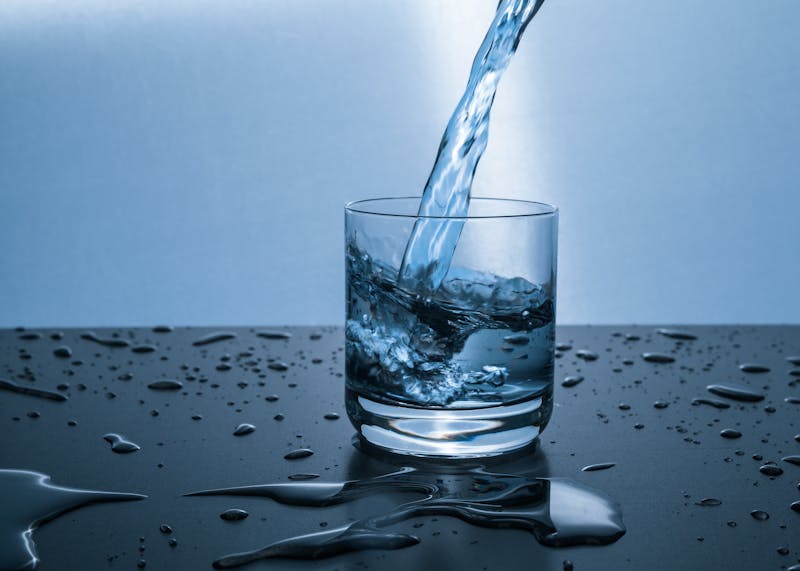
Staying hydrated is essential for overall health, but did you know that when you drink water can be just as important as how much you drink? Timing your water intake can enhance energy levels, improve digestion, and even help with mental clarity. Let’s break down the optimal moments during the day to maximize the benefits of hydration.
Upon Waking Up: Reboot Your System
Drinking a glass of water first thing in the morning jumpstarts your metabolism and flushes out toxins that have built up overnight. Your body becomes slightly dehydrated during sleep, so this early hydration sets the tone for the day. Aim for at least 250–500 ml of water within 30 minutes of waking.
Before Meals: Prime Your Digestion
Consuming water about 30 minutes before a meal helps prepare your stomach for food. It aids in the production of digestive juices and may prevent overeating by creating a sense of fullness. Avoid drinking large amounts of water immediately during meals, as it can dilute digestive enzymes.
Mid-Morning & Mid-Afternoon: Energy Booster
It’s common to experience a dip in energy around 10–11 a.m. and again at 3–4 p.m. Instead of reaching for another coffee, try hydrating. Mild dehydration is often mistaken for fatigue. A glass of water during these periods can refresh your mind and help you stay focused.
Before and After Exercise: Hydration for Performance
Water is crucial before, during, and after physical activity. Drinking water about 30 minutes before your workout ensures your muscles are hydrated and ready to perform. After exercise, water helps replenish fluids lost through sweat and supports recovery. Add electrolytes if your session is intense or over an hour.
Before Bedtime: A Gentle Sip, Not a Gulp
While staying hydrated is important, drinking too much water right before bed can disrupt your sleep due to late-night trips to the bathroom. A small glass of water—just enough to prevent dehydration overnight—is typically sufficient.
Additional Tips for Smart Hydration
- Use visual cues like water bottles with time markers to remind you to drink.
- Customize your intake based on activity level, climate, and personal health needs.
- Don’t rely solely on thirst, especially if you’re older, as the body’s thirst response can diminish with age.
The Hydration Schedule at a Glance
| Time of Day | Amount | Purpose |
|---|---|---|
| Upon waking | 250–500 ml | Boost metabolism, flush toxins |
| Before meals | 250 ml | Aid digestion, curb overeating |
| Mid-morning | 250 ml | Improve alertness |
| Mid-afternoon | 250 ml | Combat fatigue |
| Pre-workout | 250–500 ml | Prepare body for activity |
| Post-workout | 500+ ml | Rehydrate and recover |
| Before bedtime | 100–150 ml | Prevent dehydration, protect sleep |
Being intentional about hydration times can help you feel more energetic, improve bodily functions, and support long-term wellness. So don’t just drink water—time it wisely.