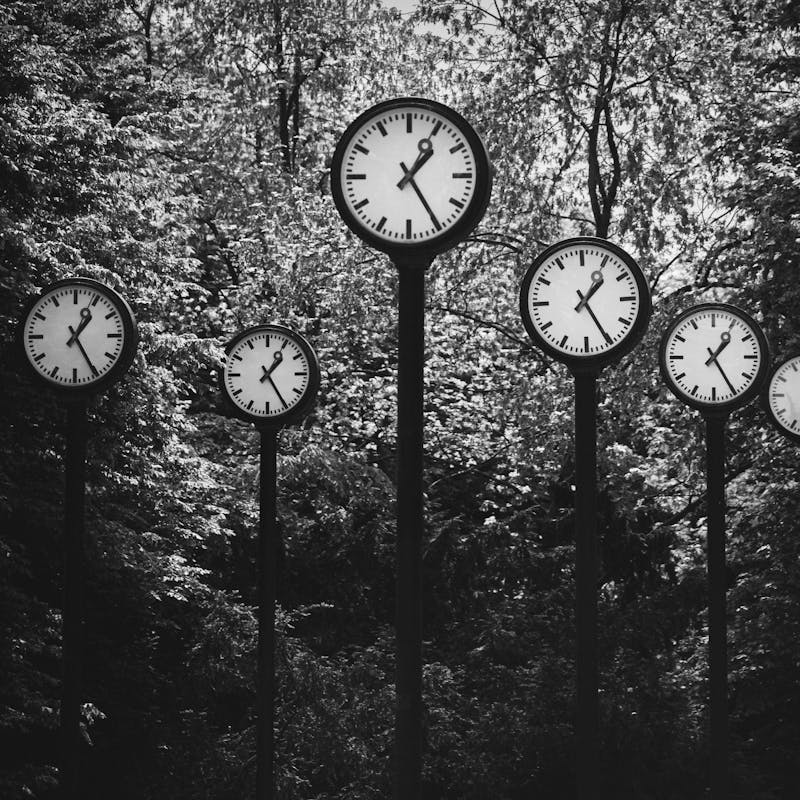
Night can feel louder than day when your mind won’t power down.
Sleep anxiety is the loop where worry about sleep becomes the main thing keeping you awake. It can show up as dread at bedtime, repeated clock-checking, or a sudden jolt of alertness the moment the lights go out. The good news is that it’s common, it’s understandable, and it’s often treatable with a mix of clearer expectations, smarter habits, and targeted behavioral tools.
When “trying to sleep” becomes the problem
Sleep is supposed to be passive, but anxiety turns it into a task. Once your brain starts monitoring sleep—How many hours will I get? What if I’m useless tomorrow?—the body reads that as a threat. Heart rate nudges up, muscles tighten, and the mind starts scanning for signs of danger, including the “danger” of not sleeping.
A frustrating pattern can develop: a bad night happens for normal reasons (stress, travel, illness), then the next night becomes a test. The more important sleep feels, the harder it is to let go.
What makes sleep anxiety different from ordinary stress?
It’s the anticipation that’s distinctive. Regular stress can keep you up because you’re thinking about life. Sleep anxiety keeps you up because you’re thinking about sleep. In the first case, insomnia is a side effect; in the second, insomnia becomes the focus.
This focus often creates performance pressure—the same kind of pressure that makes it hard to speak smoothly when you’re self-monitoring every word.
Common myths that quietly fuel the cycle
One reason sleep-related worry is so sticky is that it borrows “rules” that sound responsible but backfire in practice.
Myth: You must get eight hours or you’ll be wrecked. Sleep needs vary, and bodies can be surprisingly resilient after a short night. The belief that anything under a specific number is catastrophic raises the stakes and heightens arousal.
Myth: If you wake up at night, something is wrong. Brief awakenings are normal. Many people wake and roll over without remembering it. When you interpret waking as failure, you teach your brain to respond with alarm.
Myth: You can force sleep by trying harder. Effort helps with many problems, but sleep works more like a shy animal: chasing it makes it run. What helps is creating conditions where sleep can return on its own.
Myth: Checking the time helps you stay “realistic.” Clock-watching usually turns into scorekeeping. It strengthens the association between bed and evaluation, which is the opposite of what you want.
Real fixes: shifting from control to conditions
There isn’t a single trick that cures every case, but there are reliable levers that reduce arousal and retrain the brain’s relationship with bedtime.
Start by treating sleep as a biological rhythm rather than a nightly exam. Your job is to set the stage—light, timing, wind-down, and a calmer mental stance—then let sleep do what it does.
A helpful reframe is: “Rest is still valuable.” Even if you’re awake, a dark, quiet room and a relaxed body reduce stress load. That mindset takes pressure off and often helps sleep arrive sooner.
What should you do when you can’t fall asleep?
Get out of bed if you’ve been awake long enough to feel frustrated, and return only when you’re sleepy. This is one of the most effective ways to break the bed = struggle association.
Keep it boring and dim: a low-light chair, a calm book, quiet music, or a simple puzzle. Avoid bright screens and “researching sleep” at 2 a.m., which tends to spike alertness.
If you prefer not to leave the bed, a second-best option is to switch from “trying” to a neutral focus: slow breathing, a body scan, or noticing physical sensations without judging whether they’re working.
Gentle habits that matter more than hacks
The internet loves dramatic routines, but the most reliable changes are often plain.
Consistent wake time is the anchor. Even after a rough night, getting up at about the same time strengthens your sleep drive the next evening.
Light in the morning, dimmer evenings. Bright light early helps set your circadian clock. Lower light later signals that night is approaching.
Caffeine with an early cutoff. If you’re sensitive, even afternoon coffee can keep the nervous system slightly “on.”
A wind-down that feels believable. Choose something you’ll actually do: a warm shower, stretching, prepping tomorrow’s coffee, or writing a short “worry list” so your brain doesn’t have to hold it.
Working with thoughts instead of wrestling them
Sleep anxiety often comes with rigid thoughts: “If I don’t sleep, I’ll fail tomorrow.” Rather than arguing with them in the dark, try a softer move: label the thought and make room for it.
You might say, “There’s my catastrophe story,” or “My brain is predicting again.” This creates distance without demanding instant calm. Some people find it useful to schedule a daytime “worry window” to think through concerns when it’s not bedtime.
If you’re stuck in mental problem-solving at night, jot down a single sentence: what you’re worried about and the next tiny action you can take tomorrow. The point isn’t to solve everything—just to signal to your mind that it won’t be forgotten.
When to consider CBT-I or professional support
If this pattern has lasted for weeks and is affecting mood, work, or relationships, CBT-I (Cognitive Behavioral Therapy for Insomnia) is a leading, evidence-based approach that directly targets the sleep-struggle cycle. It uses structured methods like stimulus control, sleep scheduling, and cognitive work to reduce arousal and rebuild confidence in sleep.
It’s also worth talking to a clinician if you suspect factors like panic symptoms, depression, trauma, restless legs, sleep apnea, or medication effects. Treating the right root issue changes the whole equation.
A quieter goal: rebuilding trust in your nights
The deepest shift is moving from “I need to sleep right now” to “My body knows how to sleep, and I can help it along.” Paradoxically, letting go of perfect nights often produces better ones.
Over time, the bed can become less like a stage and more like a place you return to—imperfectly, repeatedly, and with less fear. That’s how the cycle loosens: not through force, but through familiarity, patience, and a little less bargaining with the dark.