Some journeys begin with paper.
The quiet weight of a small ticket
There is a particular kind of anticipation that lives in a paper ticket. It is not loud or flashy. It does not glow from a screen or disappear into a cloud account. It sits lightly in a pocket or wallet, a folded square with a departure time, a gate number, a route, maybe a barcode that will be scanned once and forgotten. And yet it can feel strangely ceremonial.
For many travelers, the act of holding a paper ticket is a small ritual that marks the true beginning of a trip. Before the luggage wheels start rattling across a station floor, before the bus pulls away from a curb, before the airplane climbs into the weather, there is this quiet moment of proof. You are going somewhere. The trip is real.
That feeling is part memory, part habit, and part resistance. In a world that has turned nearly every form of movement into a digital process, paper still offers a texture that screens cannot imitate. It can be creased, stamped, tucked away, and saved. It reminds us that travel is not only about speed or efficiency. It is also about noticing the threshold between one place and another.
A ritual built on small gestures
The ritual often begins long before departure. You print the ticket at home, or receive it from a clerk at a counter, and then you do what travelers have always done: you check it, fold it, unfold it, and check it again.
That repeated glance is not really about uncertainty. It is about preparing the mind to leave. A paper ticket invites that preparation in a way a digital boarding pass often does not. It makes room for pause. You can hold it under a lamp, read the fine print, and let the details settle in.
Sometimes you slide it into the back of a passport. Sometimes you keep it in a coat pocket, where it softens and bends with the shape of the day. The ticket becomes a companion of sorts, a small object that absorbs the atmosphere around it. It is easy to overlook, but it can feel almost sacred in the moment before departure.
That is the charm of rituals. They do not need to be grand to matter. A cup of coffee before dawn, a final look out the apartment window, a ticket folded carefully into a wallet—these actions help the body understand what the mind already knows.
Quiet streets before the city wakes
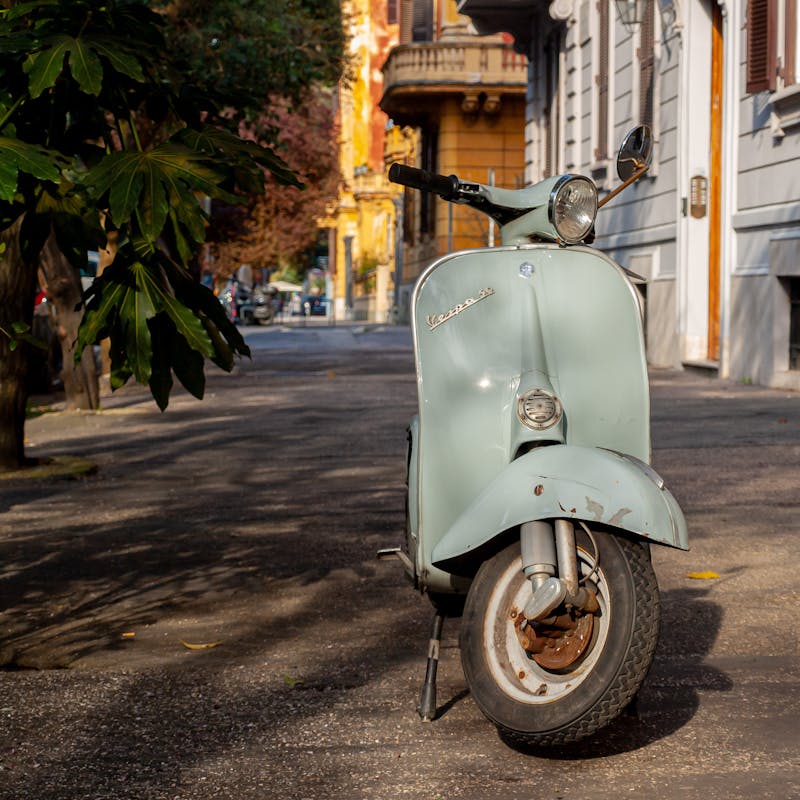
Paper tickets seem to belong naturally to quiet streets.
There is a distinct mood to walking through a city before sunrise with a ticket in your pocket. The sidewalks are empty except for delivery trucks and the occasional dog walker. Traffic lights cycle through their colors for no one. Shop windows are dark, and the air carries the clean, washed feeling that comes before the day’s noise begins.
In those hours, the city feels less like a machine and more like a breathing place. You hear your own footsteps. You notice the sound of a distant bus braking at an intersection, the click of a crosswalk signal, the soft murmur from a bakery opening its doors. Travel becomes intimate rather than hurried.
This is where the paper ticket and the quiet street meet. Both seem to ask for attention. The street asks you to slow down and look around. The ticket asks you to trust the journey that has already begun in your planning. Together, they create a space between ordinary life and the next destination.
That space matters. It is where travelers often feel most alive.
Why paper still feels different
Digital tickets are efficient, and no serious traveler would deny their usefulness. They are easy to store, easy to update, and nearly impossible to lose if a phone stays charged and connected. But efficiency is not the same as meaning.
A paper ticket has a physical presence that changes the experience. It can be handed across a counter, tucked into a pocket, or found days later inside a jacket as a reminder of where you have been. It leaves a trace.
That trace matters because travel is often more emotional than logistical. People do not remember only arrival times and seat numbers. They remember the mood of leaving. The paper ticket becomes a witness to that mood. It may hold a coffee stain from the station cafe or a small tear from being stuffed into a bag in a rush. Those imperfections are part of its story.
There is also a kind of honesty in paper. It does not update itself. It does not vibrate with notifications. It simply exists. In that stillness, it seems to respect the traveler’s own need for stillness before movement.
The overlooked beauty of waiting
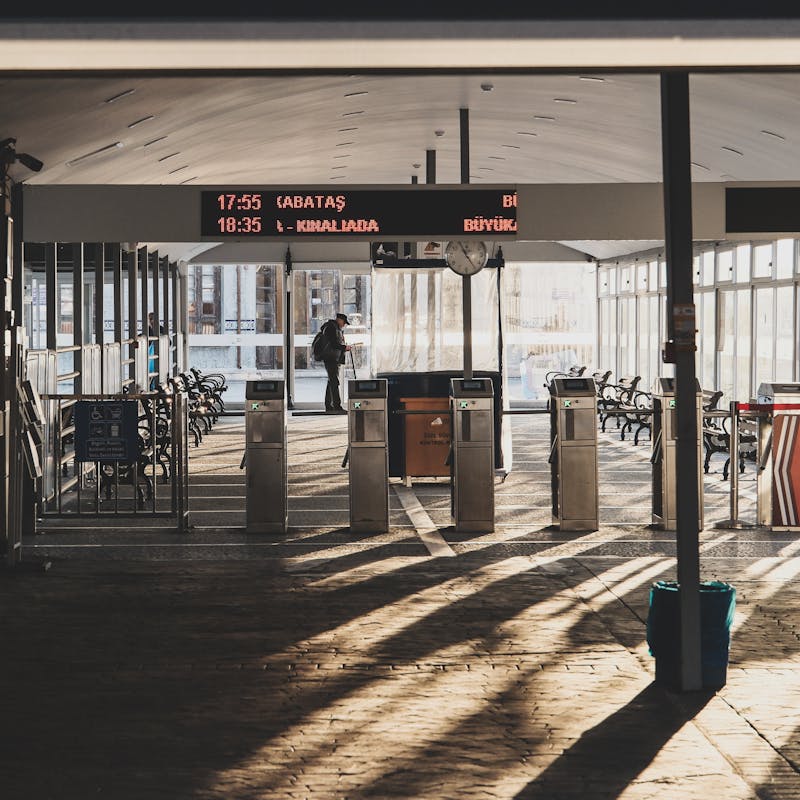
Waiting is one of the most neglected parts of travel. We tend to think of journeys as movement, but much of travel is composed of thresholds: the wait for the train, the line at the terminal, the pause before a bus doors fold open.
A paper ticket can make waiting feel more human.
You can take it out and study the route. You can trace the line of your departure with your eyes and imagine what lies ahead. A departure time on a screen may disappear into the background of other information, but a ticket held in the hand creates a tiny field of focus. It gives the mind something concrete to occupy itself with while the world shifts around you.
In that pause, ordinary places become strange and memorable. The station bench under fluorescent lights. The cold metal rail beside the platform. The coffee that is too hot at first and then slowly goes lukewarm. These details are easy to dismiss, yet they form the emotional texture of travel.
The ticket is part of that texture. It belongs to the waiting as much as to the journey.
Memory in the pocket
Many travelers save old tickets without meaning to. They are slipped into books, pinned to bulletin boards, or left in drawers where they mingle with receipts and forgotten notes. Months later, they reappear with unexpected force.
A paper ticket can open a whole chapter of memory in a second. It brings back the smell of a particular station, the way light fell across a platform, the conversation you overheard while standing in line, the nervous excitement before visiting an unfamiliar place. Because it is physical, it does not merely describe the trip. It carries a trace of it.
This is one reason paper survives in a digital age. We continue to value objects that can be kept, even if only for sentimental reasons. Not every journey deserves a souvenir, but some do. A ticket is small enough to ignore and meaningful enough to preserve.
And perhaps that is the heart of the ritual: the traveler understands, even unconsciously, that this tiny slip of paper will outlast the moment it was made for. It will become a reminder that movement once felt urgent, hopeful, or necessary.
A slower way of paying attention
There is something quietly radical about choosing paper when digital would be easier. Not because paper is inherently better, but because it changes how you pay attention.
When everything is stored in a phone, travel can start to feel abstract. The journey becomes one more item in a set of data points. But a paper ticket resists that abstraction. It asks to be looked at directly. It exists in the same world as hands, pockets, bags, windows, rain, and wind.
That grounded quality can shift the traveler’s mindset. The trip is no longer just a confirmation email or an app notification. It is an event with physical edges.
This slower way of paying attention can be especially comforting in unfamiliar places. A ticket in the hand can make a chaotic terminal feel navigable. It is one fixed point in a day of movement. Even if you are alone, you are not adrift.
The meaning of small rituals
Travel is full of grand experiences people like to talk about later: beautiful coastlines, unexpected meals, dramatic weather, cities viewed from high places. But some of the most lasting memories come from far smaller moments.
The smell of paper inside a station. The silence of a street before dawn. The warm pressure of a ticket folded into a coat pocket. The sound of a gate clicking open. These are not headline moments, but they are the ones that often stay.
Small rituals give shape to uncertainty. They remind us that leaving is not only a practical act. It is an emotional one. A paper ticket may seem outdated to some, but it continues to serve a deeper purpose: it turns departure into something we can feel.
And perhaps that is why travelers keep returning to it, even in subtle ways. Not because they reject modern convenience, but because they understand that not everything important should be reduced to speed.
A quiet street and a paper ticket can together make a simple promise: that movement does not have to be hurried to be meaningful. Sometimes the smallest objects and the softest hours hold the clearest sense of where we are going.