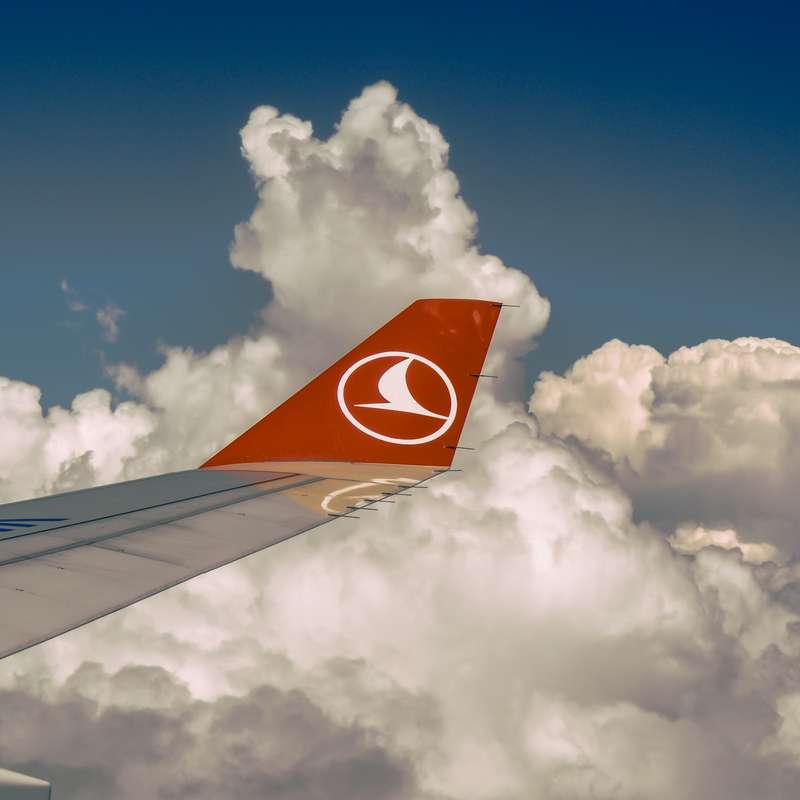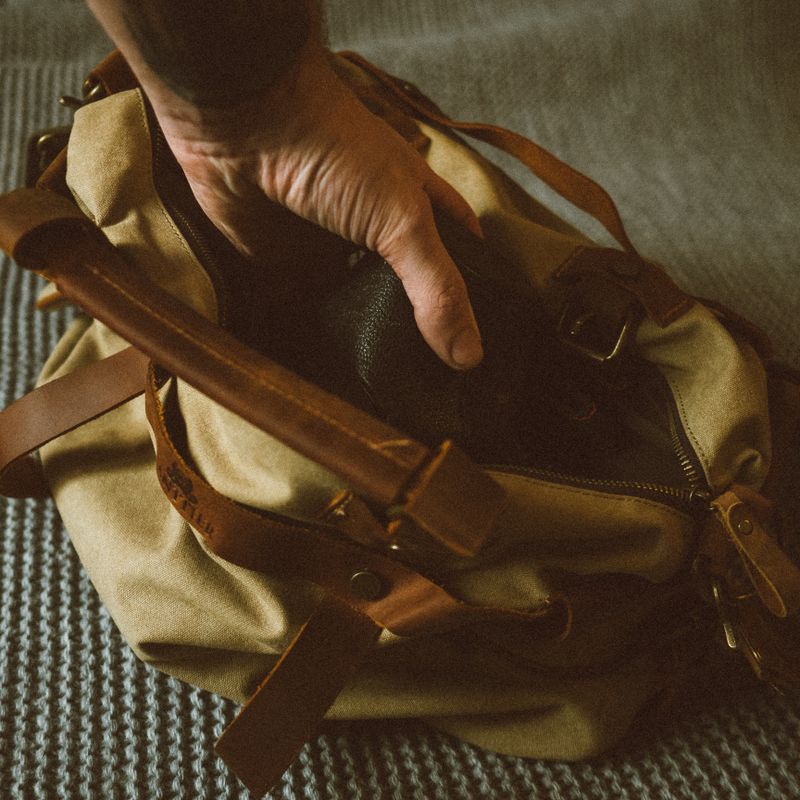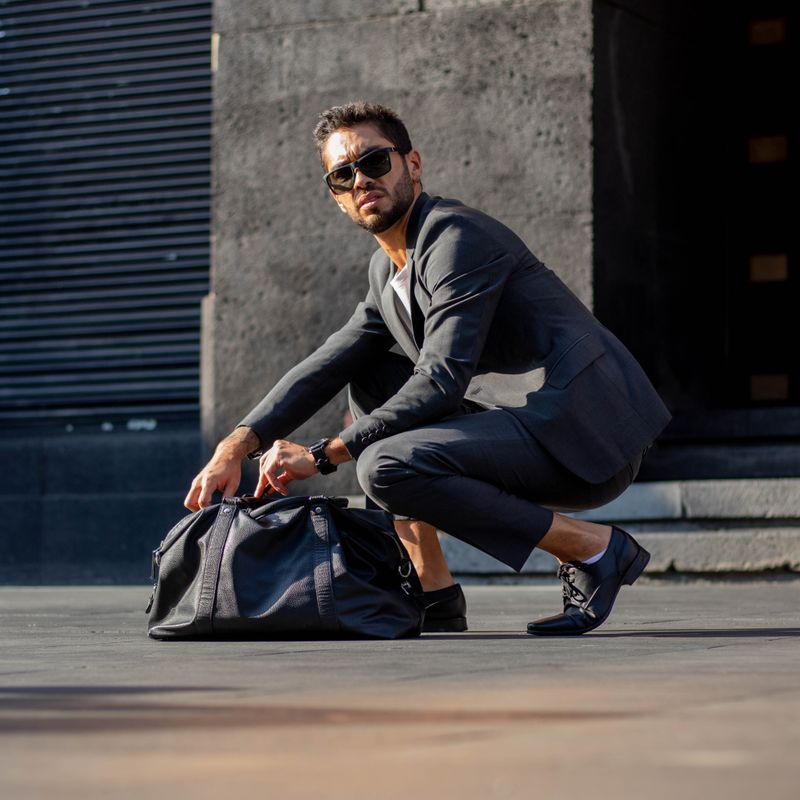
A suitcase is a private kind of geography.
Somewhere between the zipper and the handle, an entire life negotiates with gravity.
In a borrowed city—one you love but don’t quite belong to—this negotiation becomes unusually honest. You can’t hide behind closets or basements or the comfortable illusion that you’ll “deal with it later.” Later has a weight limit. Later has wheels that wobble over cobblestones.
The first time you realize you can only bring one suitcase, you don’t think about morality or identity. You think about socks. You think about which shoes can survive rain and still look like you meant to wear them. You think about whether a sweater can count as a coat if you layer it like a small act of persuasion.
And then, quietly, you start to learn what you actually believe you need.
Borrowed cities and borrowed time
A borrowed city isn’t merely a place you’re visiting. It’s a place you live inside without inheriting its history.
Your name isn’t stitched into the neighborhood. Your favorite corner café doesn’t recognize you as “regular,” at least not yet. The street signs still feel like a language you’re borrowing, even if you can pronounce them.
In these cities, time behaves differently. It’s measured in visa dates, lease terms, seasonal work contracts, the anxious arithmetic of “How long am I allowed to stay?”
That’s where the suitcase becomes more than luggage. It’s a mobile border.
What fits inside determines how lightly you can move when circumstances change, but it also determines how heavily you carry the story of yourself. In a borrowed city, you can feel both impulses: to become someone new and to keep proof of who you’ve been.
The first packing is always a confession
The first packing session tends to look like optimism.
You lay out clothes in hopeful combinations, imagining a version of yourself who always dresses well, always goes out, always has a reason to wear the nicer shirt. You bring the book you’ve been “meaning to read,” as if the change of country will suddenly produce the attention span you didn’t have at home.
But the suitcase has a way of asking questions.
You hold up an item and wonder: Is this useful, or is it sentimental? Is it for my real life, or for the life I’m performing? Am I packing for weather, or for loneliness?
A single suitcase turns every object into a referendum.
You can’t pack in vague intentions. You have to choose.
The math of weight becomes the language of grief
Airports make weight feel like a verdict. A number on a scale dictates whether you’re responsible or careless, prepared or naïve.
But the deeper math is emotional.
A suitcase can hold a month of clothing. It can hold a laptop. It can hold a small collection of letters tied with a ribbon, tucked into a side pocket like contraband. It can hold a photograph you tell yourself you won’t need to look at, yet can’t bear to leave behind.
What it can’t hold is everything you’re leaving.
In borrowed cities, grief doesn’t arrive as a dramatic wave. It shows up in tiny substitutions.
You buy a towel because you didn’t bring one. You realize your favorite mug is still in a cabinet back home. You miss the particular spoon you always used without noticing. You learn that “home” is often made of unremarkable objects that once had the luxury of being permanent.
When your possessions are reduced to what you can carry, the absence of those unremarkable objects becomes strangely loud.
The strange freedom of owning less
There’s a moment—usually after the third or fourth move—when the suitcase stops feeling like deprivation and starts feeling like clarity.
You know which shirt dries quickly. You know which jacket can handle both wind and a mildly formal dinner. You know exactly how many chargers you need, and which ones are worth replacing rather than hauling around.
It’s not that you become indifferent to comfort. You become precise about it.
In a borrowed city, minimalism isn’t an aesthetic. It’s a strategy. It’s a form of attention.
When you own less, you spend less time managing your belongings and more time reading the city itself: the late-afternoon light on apartment façades, the ritual of commuters, the way rain changes the smell of a street.
You learn a kind of intimacy that doesn’t require ownership.
Keeping a self intact while becoming someone else
A borrowed city invites reinvention. It also demands it.
You adapt your accent, your pace, your expectations of service and silence. You learn the local etiquette of doors and queues and eye contact. You discover which parts of your personality travel well and which ones get lost in translation.
The suitcase becomes a portable argument with yourself.
Do you bring the clothes that make you feel like the person you were, or the clothes that help you blend into who you’re trying to be? Do you pack the small cultural artifacts—spices, a favorite tea, a scarf that smells faintly like your childhood closet—or do you leave room for what the new place will give you?
Some people pack to preserve. Others pack to dissolve.
Most of us do both, and the suitcase is where the compromise happens. A single object can carry more identity than its weight suggests. A worn sweatshirt might be an anchor. A pair of dress shoes might be a declaration: I still believe I’ll be invited somewhere.
Objects as witnesses in unfamiliar rooms
Borrowed apartments have their own kind of silence.
The furniture isn’t yours. The art is generic. The knives are dull in a way that suggests they’ve seen too many temporary hands. You don’t know where anything is, and for a while you don’t even know where you are.
In that unfamiliar room, the suitcase opens like a small ceremony.
You lay items into drawers and suddenly the space begins to recognize you. Not because you’ve decorated it, but because you’ve left evidence of your habits.
A toothbrush on the sink. A notebook by the bed. A sweater tossed over a chair.
These objects are witnesses. They say: someone is living here, not merely passing through.
In borrowed cities, the line between living and passing can feel thin. The suitcase helps you draw it.
The social meaning of what you can carry
In some circles, the ability to travel light is admired, almost mythologized.
It suggests confidence, mobility, a life unburdened by attachments. But in the real world, traveling with a single suitcase often signals something more complicated: uncertainty, constrained budgets, precarious plans.
To carry everything you own is not always a lifestyle choice.
In borrowed cities, people learn to read one another through these practical details. Someone with three suitcases and a coat draped over their arm might be arriving with a safety net, even if they don’t say so. Someone with one suitcase and a backpack might be arriving with courage, even if it looks like simplicity.
Neither deserves romanticizing.
The point isn’t to turn lightness into virtue. The point is to notice what mobility costs, and who is asked to pay it.
When the suitcase becomes a measure of trust
At some point, you stop living out of the suitcase.
You buy a second set of sheets. You keep groceries in the fridge without fearing you’ll have to abandon them. You learn the best route to the pharmacy and the hours of the laundromat. You start making plans that extend beyond the next few weeks.
And then a quiet question appears: What would I leave behind if I had to go quickly?
In borrowed cities, trust is often built through logistics. You trust a job when the schedule becomes predictable. You trust a relationship when you can store a spare key. You trust a neighborhood when you stop clutching your bag on the train.
The suitcase is part of that trust.
When it sits empty under the bed, it’s not just unused. It’s resting. It’s waiting in case life changes its mind. And if you’re lucky, it waits longer than you feared.
Learning what “enough” feels like
The longer you live with a single suitcase as your baseline, the more you develop a sensory understanding of “enough.”
Enough clothing to feel like yourself. Enough tools to do your work. Enough comfort to sleep.
But also enough emotional ballast to stay steady when the city reminds you that you’re still new.
There’s a particular scene that repeats in borrowed cities: a person on a sidewalk, suitcase upright, scanning a map with the anxious concentration of someone trying not to look anxious.
Maybe it’s you. Maybe you’ve watched someone else and recognized the posture.
That scene contains a whole philosophy.
It says: I am carrying what I have chosen. I am going where I’ve decided. I am not rooted here, but I am present.
The reflective weight you can’t check at the counter
Eventually, you learn that a single suitcase isn’t only about reducing.
It’s about refining. It’s about discovering what you reach for when no one is watching. It’s about realizing that some things feel heavy because they’re heavy, and some things feel heavy because they’re unresolved.
A borrowed city teaches you that you can survive with less than you thought. It also teaches you that what you miss is rarely expensive.
You miss the ease of being understood without explanation. You miss the casual language of belonging: the way a cashier back home knows how to pronounce your name, the way your friends don’t need context for your stories.
And yet, you gain something difficult to name.
You gain the ability to make a life that isn’t anchored by accumulation. You gain a sharper sense of what you value. You gain the knowledge that you can arrive somewhere with only a suitcase and still become, slowly, unmistakably human there.
The suitcase remains what it always was: a container with a handle.
But in borrowed cities, it also becomes a teacher.
It teaches the weight of a life you can lift, and the quiet dignity of choosing what to carry forward.