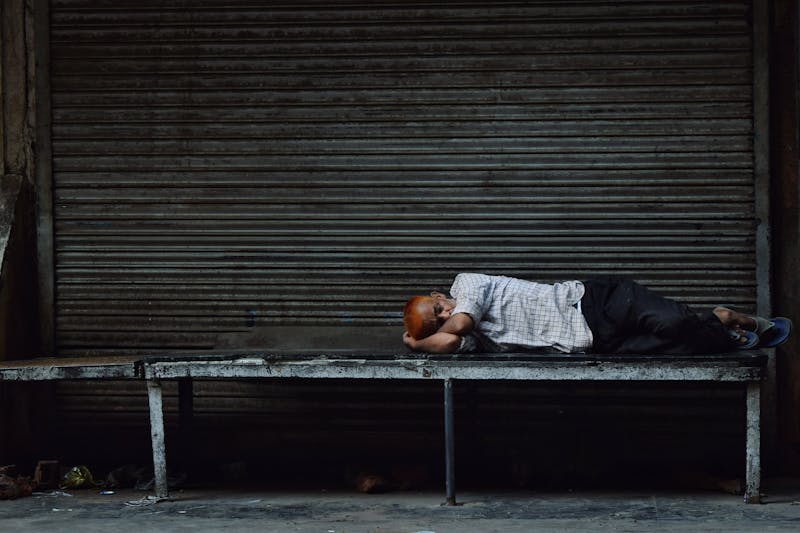
"Being poor is expensive, especially when it comes to staying healthy."
In many parts of the world, health is not a basic right but a privilege of the wealthy. This stark reality is evident in how access to healthcare, nutritious food, clean environments, and preventative services is distributed across economic classes. For the poor, staying healthy is often an uphill battle against systemic barriers and economic hardship.
The Vicious Cycle of Poverty and Poor Health
Poverty and poor health are deeply intertwined. Living in poverty increases the likelihood of developing health problems due to limited access to essential resources. Poor nutrition, inadequate housing, unsafe working conditions, and limited access to clean water all contribute to a higher risk of illness and chronic disease.
Moreover, once health issues arise, they often exacerbate poverty. Medical bills can quickly become unmanageable, especially in countries without universal healthcare. Time off work due to illness leads to lost income, further entrenching individuals in financial instability.
Healthcare Access: A Barrier for the Poor
In many regions, healthcare systems are not designed with the economically disadvantaged in mind. High out-of-pocket costs, lack of nearby facilities, and inadequate insurance coverage create insurmountable barriers. Even when free or low-cost services exist, there can be hidden costs like transportation, lost wages, and long wait times.
Preventative care is often neglected. For many poor individuals, seeking medical attention is a last resort due to cost concerns. This delay can turn manageable conditions into life-threatening ones, driving up long-term costs and reducing quality of life.
The Hidden Costs of an Unhealthy Environment
Poor communities frequently reside in areas with higher pollution, limited green spaces, and unsafe living conditions. These environmental factors contribute significantly to respiratory issues, mental health problems, and chronic diseases. The inability to escape such environments due to financial constraints traps many in a cycle of declining health.
Access to healthy food is another significant issue. Food deserts, where affordable and nutritious food is scarce, are common in low-income neighborhoods. This lack of access forces many to rely on processed and unhealthy food options, leading to higher rates of obesity, diabetes, and heart disease.
Breaking the Cycle: What Can Be Done?
Addressing the health disparities caused by poverty requires systemic change. Universal healthcare, subsidized housing, improved public transportation, and better nutrition programs are all crucial steps. Education about health and wellness must be accessible, and efforts should be made to improve the quality of life in low-income communities.
Policies that prioritize social determinants of health can help level the playing field. Investment in community health workers, mobile clinics, and public health campaigns can make a tangible difference.
While individual effort is important, it cannot replace the need for structural support. Only by addressing the root causes of poverty can we hope to ensure that health becomes a right for all, not just a privilege for some.
Health Shouldn’t Be a Luxury
Ultimately, good health should not depend on one’s bank account. A fair and just society ensures that every individual, regardless of income, has the opportunity to live a healthy life. Recognizing and addressing the barriers that keep the poor from accessing healthcare is the first step toward a more equitable future.