The best parts of a trip rarely happen at sprint speed.
Slow travel in Europe isn’t about doing less for the sake of it—it’s about noticing more. Instead of racing through capitals and collecting photos like proof, you build a trip around time, texture, and daily life: longer stays, fewer transit days, and room for small surprises. If you’re wondering whether slowing down will feel “worth it,” the value is simple: you trade checklists for depth, and the places you visit start to feel less like stops and more like settings.
A slower pace also happens to match how much of Europe is designed to be enjoyed: on foot, in neighborhood cafés, along old train lines, and in towns where the afternoon still stretches out.
What counts as slow travel in Europe?
Slow travel in Europe usually means staying in fewer places and spending longer in each—often a week in one base, with day trips that don’t require repacking. It’s choosing trains over short flights when you can, and planning with human rhythms in mind: market mornings, late lunches, evening walks.
The idea isn’t to avoid famous sights. It’s to approach them without stacking your day so tightly that you experience everything through urgency. A museum visit lands differently when you’re not checking the time every five minutes.
Why does slowing down change the trip so much?
Because speed flattens memory. When you move quickly, your brain catalogs “highlights” but struggles to anchor them to feelings and details. Slowing down gives you repetition—the same corner bakery, the same plaza at different hours—which is how places become familiar.
There’s also a practical shift: fewer transitions means fewer chances for travel friction to take over the day. You stop measuring your trip by what you “managed” and start measuring it by what you actually absorbed.
Building an itinerary around one good base
A strong slow-travel itinerary often begins with a base that has two qualities: walkability and access. Think of a medium-size city with a lived-in center and reliable trains nearby, or a small town that’s close to regional routes.
From there, you travel in rings. One day you take a short train to a nearby village for lunch and a long walk, returning before dinner. Another day you do nothing ambitious at all—just a museum, a bookshop, and sitting somewhere with a view. The point is to create space between experiences, so they don’t blur.
If you’ve ever spent a whole afternoon in a single neighborhood—learning where locals actually buy fruit, where students gather, where the streets get quiet—you already know the feeling. It’s not dramatic, but it’s the part of travel that tends to stay.
The transit choice that quietly reshapes everything
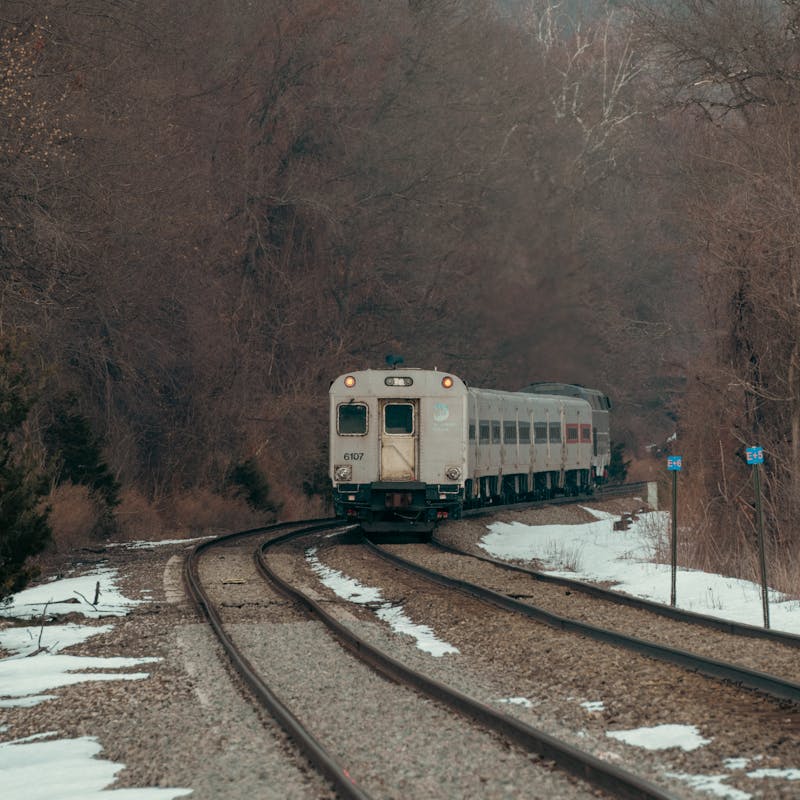
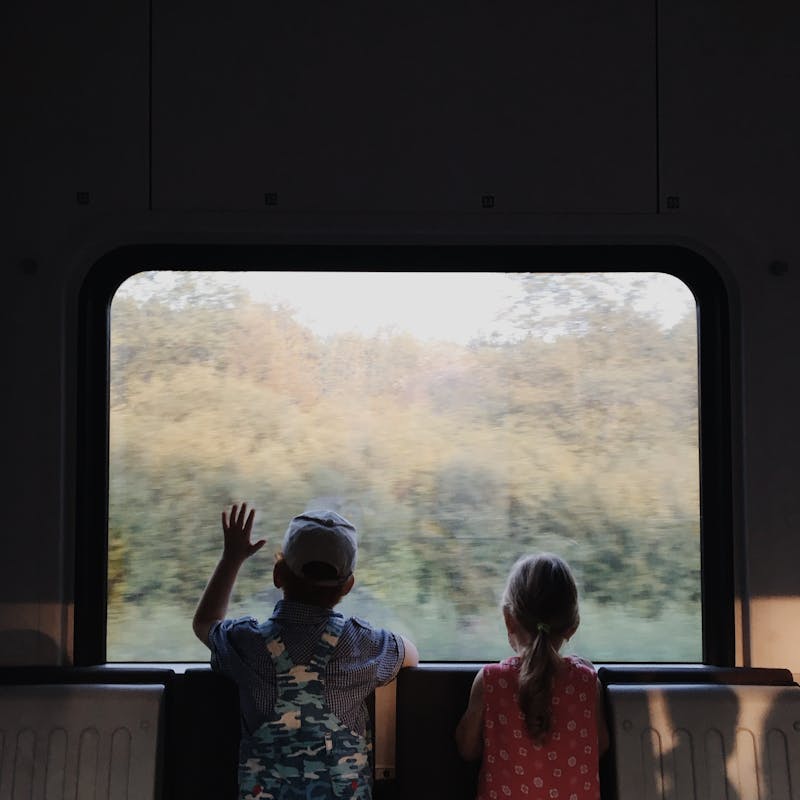
Slow travel pairs naturally with rail. Trains keep you in the geography: coastlines, farms, suburbs, industrial edges, then suddenly a historic center. You don’t teleport; you transition.
Even when trains cost more than a budget flight, they can “buy” you a day back. Stations are usually central, security is lighter, and the travel itself can be part of the experience—reading, looking out the window, arriving without the drained feeling that sometimes follows airports.
That said, slow doesn’t mean stubborn. If one flight saves you from an exhausting multi-connection slog, take it. The philosophy is about reducing churn, not proving a point.
Meals, markets, and the art of being a regular
One of the most underrated benefits of slow travel in Europe is how quickly you can become a familiar face. Not famous—just recognized. The barista learns your order. The waiter stops handing you the English menu. You figure out which bakery sells out early and which one is better later in the day.
Food becomes less like “trying the local cuisine” and more like participating in local routine. You shop at an open-air market and cook one simple meal in your rental. You plan a day around lunch because the restaurant closes between services. You start to understand why dinner begins late, or why Sundays feel different.
These patterns don’t show up in a two-night stay. They reveal themselves through repeat encounters.
Is slow travel in Europe cheaper or more expensive?
Often, it’s cheaper in the ways that matter most. Staying longer can lower nightly rates, and fewer travel days means fewer tickets, transfers, and impulse purchases made out of convenience. You also waste less food and pay fewer “tourist penalties” that come with being unfamiliar every single day.
But it can get more expensive if you treat “slow” as “boutique”: charming rentals, long café sessions, and tasting menus add up. The sweet spot is using time as your savings strategy—cook sometimes, pick a local café, take free walking routes, and spend intentionally on a few memorable splurges.
How to handle the fear of missing out
The hardest part of slowing down is psychological. Europe is dense with places you’ve heard about your whole life, and it’s tempting to cram them in because you might not return.
A useful reframing: you’re not trying to “see Europe.” You’re trying to have a trip that feels like something. Depth creates a different kind of completeness—one that comes from belonging for a moment, not collecting evidence.
If you need structure, pick one anchor experience per day. Everything else is optional. You’ll still see plenty, but your days won’t collapse if a train is late or the weather changes.
The kind of memories that only arrive with time
Fast trips produce bright snapshots. Slow trips produce scenes: the sound of cups on saucers at the same café, the way the light changes on a stone street, the half-understood conversations around you that become oddly comforting.
You might leave without having checked off every landmark. But you’ll carry something rarer—an internal map of a place, built from repeated walks and ordinary moments.
And when you think back on the trip, you won’t remember it as a blur of destinations. You’ll remember it as a lived week, which is often the real reason people fall in love with travel in the first place.