A small patch of soil can change how a block feels.
Community gardens are shared growing spaces where neighbors raise vegetables, herbs, and flowers side by side—and, just as often, grow trust and familiarity along the way. If you’re curious about joining one, starting one, or simply understanding why they matter, it helps to look beyond the harvest. These gardens sit at the intersection of food, public space, and local culture, offering practical benefits while quietly reshaping how people relate to each other.
Why community gardens feel bigger than their fences
At first glance, a garden plot is simply a tidy rectangle with a few stakes and a watering can. But community gardens work like informal town squares: they create repeat, low-pressure encounters that are rare in modern life. You don’t have to plan a hangout or exchange numbers to become familiar with someone when you’re both there most Saturdays.
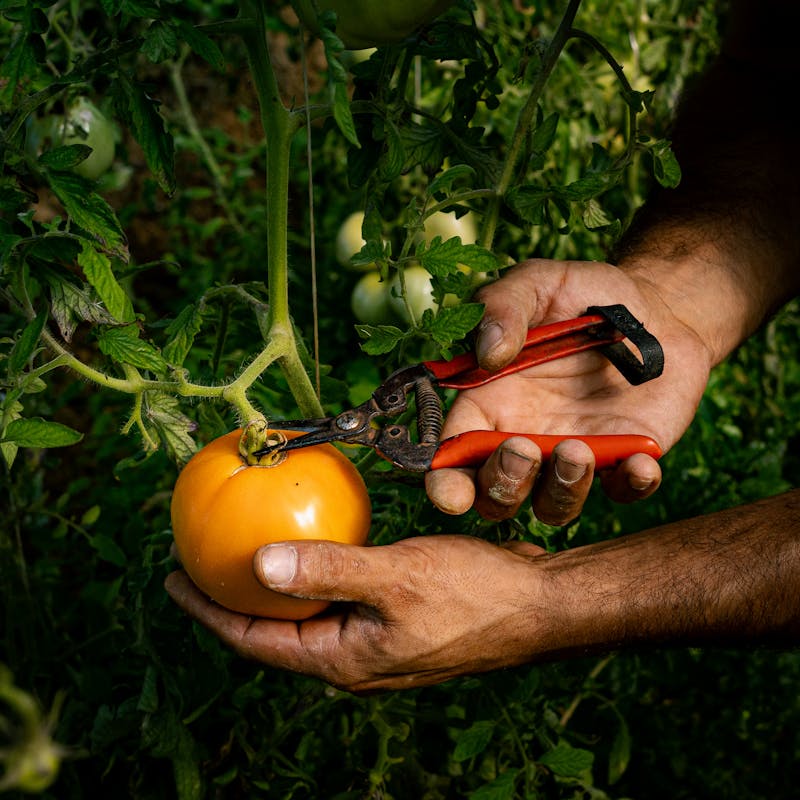
The social magic is partly in the rhythm. A garden asks for frequent, seasonal attention—planting, weeding, watering, harvesting—which means the same faces appear again and again. Over time, “Hey” becomes “How did your tomatoes do?” and then becomes “Do you want some basil?” That slow progression builds a kind of neighborliness that can’t be rushed.
What makes community gardens different from parks or farmers markets?
They turn strangers into collaborators because participation is the point, not just presence. In the first few minutes, you’re likely to share tools, advice, or simply space—small acts that create belonging faster than passive activities.
Parks are wonderful, but they can also be anonymous. Farmers markets are vibrant, but transactional. A community garden is ongoing and slightly imperfect, where people solve minor problems together: a broken hose, a sudden pest, a plot that needs covering before a storm. Those shared moments make the space feel co-owned, even when the land technically belongs to a city, a church, or a nonprofit.
The quiet social architecture of a shared plot
Every thriving garden has unwritten rules that are less about control than about care. People learn quickly to label seedlings, to keep pathways clear, and to return borrowed tools. These habits are simple, but they create a culture of respect.
There’s also a subtle emotional shift that happens when you watch someone’s plot. You start noticing what your neighbors value: the person who grows only pollinator-friendly flowers, the family who plants familiar crops from home, the retiree who experiments with unusual peppers. A garden becomes a living map of the community’s tastes and histories.
Conflicts can happen—over shade, compost, watering schedules—but they’re often easier to address here than online or in apartment hallways. The garden provides a shared goal, and the work itself cools tempers. It’s hard to stay theatrical when you’re both standing in dirt.
Food, dignity, and the everyday economics of growing
Not everyone joins for the same reason. For some, it’s therapy: a place to be quiet with a task that has clear results. For others, it’s about food access—stretching grocery budgets with greens, beans, and herbs that would be expensive to buy weekly.
Even when a garden isn’t framed as an anti-hunger program, it can still be a practical buffer. A few beds of lettuce, okra, or cucumbers won’t solve a city’s food inequities, but they can make meals feel more possible. And the dignity of growing your own food—choosing what to plant, how to cook it, how to share it—matters as much as the calories.
Many gardens also become informal classrooms. Someone demonstrates how to trellis peas; someone else explains when to pick squash blossoms; a kid learns that carrots don’t start in a bag. Knowledge moves horizontally, not top-down, which is part of what makes the space feel fair.
Starting or joining a garden without feeling like an outsider
If you’re new, the first visit can feel like walking into a room mid-conversation. The simplest way in is to show up at a workday or open hours with a small, concrete offer: “Where should I put this compost?” or “Is there a hose I can carry?” Contribution is a universal language.
If you’re trying to start a garden, focus less on grand designs and more on governance that fits real lives. Clear expectations—about plot fees (if any), hours, water access, shared maintenance, and how decisions get made—prevent burnout. A garden survives not on inspiration, but on reliable systems: a key box, a calendar, a way to welcome newcomers, a plan for neglected plots.
It also helps to build in multiple ways to belong. Not everyone wants a plot. Some people can water on weekdays, others can organize seeds, translate rules, or coordinate a harvest donation. The wider the on-ramp, the more the garden reflects the neighborhood rather than a narrow slice of it.
When a garden becomes a mirror of the neighborhood
Over time, community gardens can reveal tensions in local change. A garden might be praised as “revitalization” while nearby residents worry about rising rents. It might sit on land that could be developed later, making the space feel both precious and precarious.
That’s why the best gardens are explicit about who they serve and how they stay accountable. Sliding-scale fees, multilingual signage, accessible beds, and transparent leadership aren’t decorative choices; they decide whether the garden is a genuine commons or just a hobby enclave.
At their strongest, community gardens don’t just beautify a block—they teach a neighborhood how to practice shared stewardship. They show what it looks like to care for a place in public, to make room for different needs, and to keep showing up when the novelty fades.
A harvest you can’t weigh
The most memorable yield is often intangible: the neighbor who checks on your plot when you’re sick, the bag of mint left on your bench, the nod of recognition at the bus stop months later. A garden turns proximity into familiarity, and familiarity into a softer kind of city life.
You may come for tomatoes, marigolds, or a quiet hour after work. But if you stay, you’ll likely find something harder to buy and easier to lose: the feeling that you belong to a place, and that the place belongs to you, too.