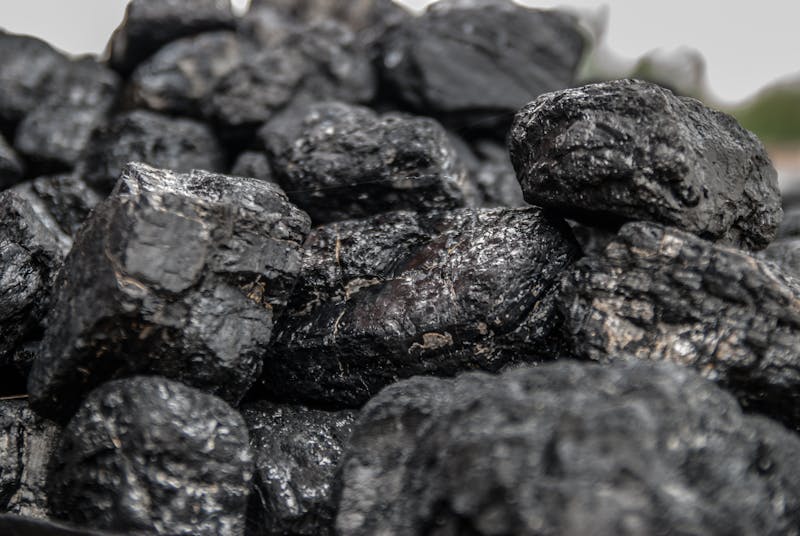
Breaking free from coal isn’t just an energy issue—it’s a human, political, and economic dilemma.
The Black Rock That Built the Modern World
Coal has powered civilizations, fueled empires, and laid the foundation for modern industry. For over two centuries, it was the world’s go-to energy source, driving steam engines, heating homes, and generating electricity. Yet in an age of climate urgency, coal has become the villain in the story of sustainability.
Despite global agreements and ambitious carbon-neutral targets, many countries still struggle to eliminate coal from their energy mix. Why? The answer isn’t just about technology—it’s about people, politics, and the price of change.
The Economic Grip of Coal
In many regions, coal isn’t just a fuel—it’s an economy. Mining towns depend on it for jobs, schools, and public services. In countries like India, China, and Indonesia, coal supports millions of livelihoods, not just through direct employment, but also through entire local economies that grow around coal infrastructure.
Transitioning away from coal risks massive economic disruption. When mines close, communities suffer—not just from unemployment, but from the slow collapse of local businesses and services.
This is especially critical in developing nations, where economic growth and energy security often take priority over long-term environmental goals. For these countries, coal remains a reliable and affordable way to power their industries and cities.
Political Pressure and Energy Sovereignty
Coal’s entrenchment is also political. In coal-rich regions, politicians often promise to protect mining jobs and resist green policies that threaten local economies. These promises resonate deeply with voters who see coal not just as a paycheck, but as a cultural identity.
Moreover, coal offers energy sovereignty. Unlike imported oil or gas, coal can be mined domestically, reducing dependence on foreign powers. In an era of rising geopolitical tensions and supply chain uncertainty, some governments are hesitant to phase out coal without equally secure alternatives.
Infrastructure Lock-In
Another barrier is the physical infrastructure already in place. Coal-fired power plants are expensive and built to last decades. Many are still relatively new, particularly in Asia. Decommissioning them early represents a significant financial loss, and many nations are reluctant to write off those investments.
Even where renewable options are growing, integrating them into aging grids designed for fossil fuels poses technical and logistical challenges. Simply put, you can’t swap out coal overnight without rewriting entire systems.
The Green Transition Isn’t Equal
Global climate discussions often paint the energy transition as a universal goal—but the path isn’t equal for all. Wealthier countries can afford to invest in renewables, subsidize clean energy, and retrain workers. Poorer nations, still fighting energy poverty, don’t have the same options.
The idea of a “just transition” is gaining traction: ensuring that the move away from coal doesn’t leave communities behind. This means international funding, skills development, and long-term economic planning—not just closing mines and flipping switches.
But implementation is slow, and promises often fall short.
Can Policy and Innovation Bridge the Gap?
There is progress. Some coal regions are investing in renewable industries, retraining workers for solar, wind, or battery manufacturing. Technologies like carbon capture and storage (CCS) offer a bridge, allowing some coal use while limiting emissions—though critics question their cost and effectiveness.
Meanwhile, financial institutions are divesting from coal projects, and public pressure for clean energy continues to mount. Some countries, like Germany and the UK, have made significant strides in phasing out coal through aggressive policy, subsidies for renewables, and support for displaced workers.
Yet for every success story, there are setbacks. Global coal consumption hit record highs in recent years, driven by post-pandemic demand and energy security concerns.
The Emotional Weight of Letting Go
Beyond economics and politics, coal carries emotional weight. In many parts of the world, it’s a symbol of resilience, industrial pride, and community identity. Asking people to abandon coal is asking them to abandon part of who they are.
This cultural attachment often goes unspoken in policy debates but plays a powerful role in resistance to change. Addressing it means telling new stories—not just about carbon and kilowatts, but about dignity, heritage, and the future.
A Complicated Goodbye
Phasing out coal isn’t just about replacing one energy source with another. It’s about reimagining entire communities, economies, and political systems. It’s the final—and perhaps hardest—step in the green transition.
As the world edges toward a low-carbon future, coal’s end is inevitable. But it won’t go quietly. And unless the transition is fair, inclusive, and deeply human, it may not go at all.