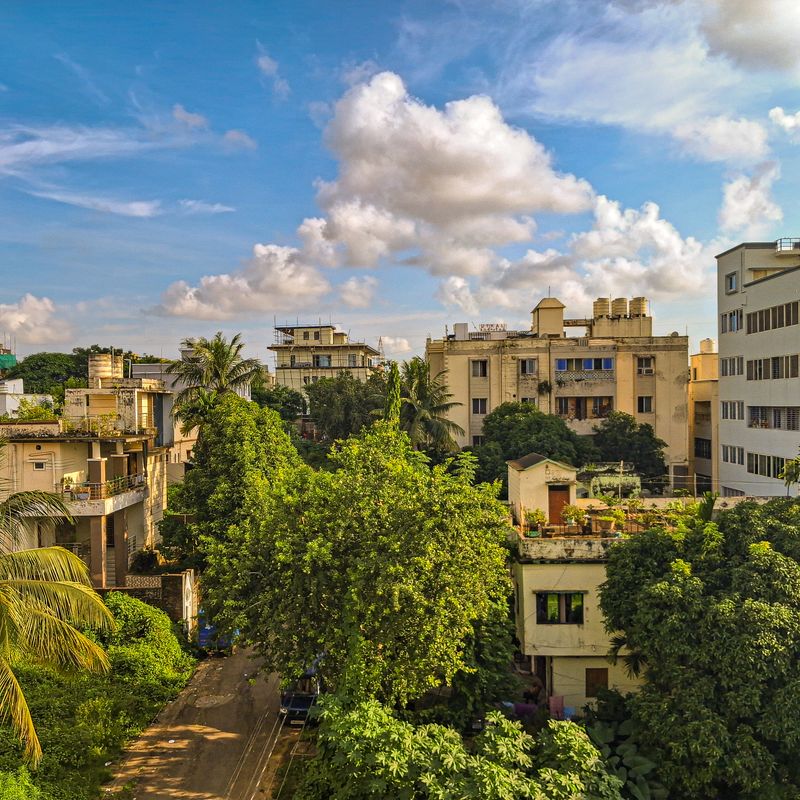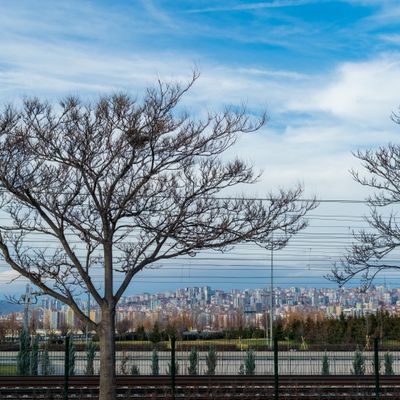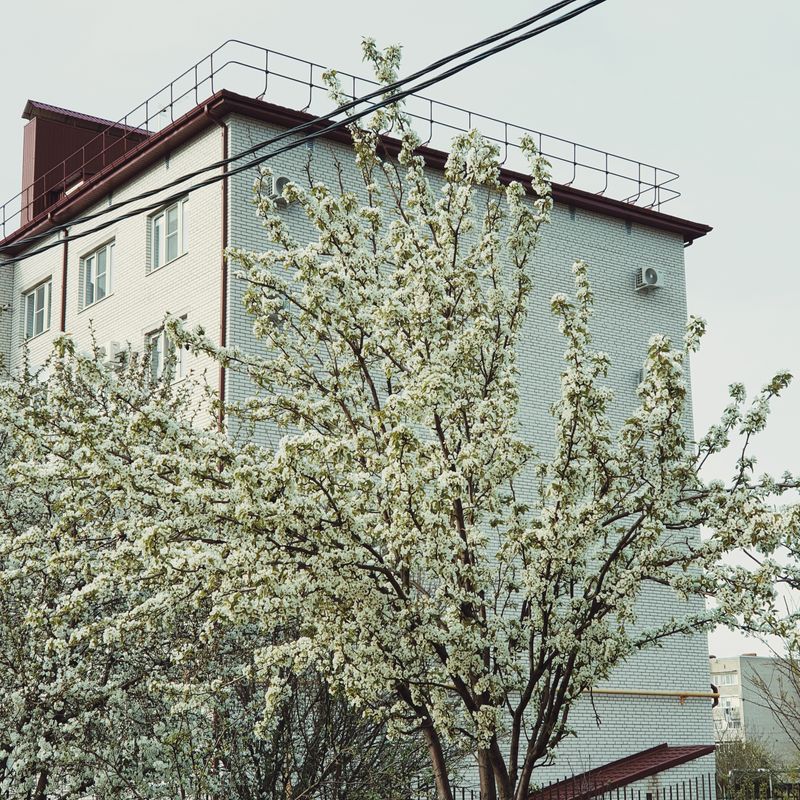
A street can feel cooler, quieter, and kinder—sometimes within a single season.
Cities don’t need to wait decades to see change from trees. The urban tree planting benefits that matter most—shade, cleaner air, stormwater control, and a boost to daily well-being—often show up quickly when planting is planned for the right places and cared for in the first few years. What follows is a practical, science-grounded look at what cities gain fast, why those gains happen, and how to choose plantings that actually deliver.
The fast wins people notice first
The earliest payoffs are usually sensory. Walkers feel them before they can measure them.
Shade is the obvious one, but the bigger shift is the way shade changes behavior: people linger at bus stops, choose to walk, and let kids play longer when the pavement isn’t radiating heat. A young canopy doesn’t need to be towering to matter; even partial shade over asphalt and sidewalks can reduce surface temperatures dramatically compared with full sun.
Noise is the sleeper benefit. Trees don’t “silence” a city, but they can soften the harshness of traffic corridors by breaking up sound paths and, just as importantly, by adding masking sounds—wind through leaves, birds—so the street feels less abrasive.
Then there’s the psychological lift. A large body of research links access to greenery with better mood and reduced stress. One widely cited example is a 2015 study in Proceedings of the National Academy of Sciences that found people reported lower rumination (a marker tied to depression risk) after a walk in nature compared with an urban setting.
These are quick wins because they rely on perception as much as biology: the moment a city looks and feels less hostile, it starts functioning differently.
What makes urban tree planting benefits arrive “fast”?
Fast doesn’t mean instant, and it doesn’t mean planting saplings everywhere without a plan. The quickest gains come from three mechanisms that scale early.
First, targeted shading. A strategically placed street tree that shades a west-facing sidewalk or a dark roof can create a measurable cooling effect long before the tree reaches maturity.
Second, interception of rainfall. Even a small canopy catches water. Leaves and branches intercept rain, slowing how quickly it hits the ground. That delay can reduce the initial surge into storm drains during short, intense downpours—exactly the kind many cities are seeing more often.
Third, human use. The “benefit” isn’t only what the tree does; it’s what people do because the tree is there. A newly shaded route becomes a walking route. A previously barren block becomes one where neighbors talk.
It’s worth noting that the strongest early returns usually come from good establishment care—regular watering, mulching, protection from mower damage, and replacement of early failures. Planting day is a photo-op; the next 24 months are where most outcomes are decided.
Cooling, energy savings, and heat resilience
Heat is where city trees earn their reputations—and where equity questions surface quickly.
Trees cool cities in two main ways: shade and evapotranspiration (water vapor released from leaves). Shade lowers the amount of solar energy absorbed by pavement and buildings. Evapotranspiration uses heat energy to evaporate water, cooling the surrounding air.
Real-world heat patterns are uneven. A 2021 analysis in Nature Communications found that in many U.S. cities, neighborhoods with lower incomes tend to have less tree canopy and higher surface temperatures—sometimes by several degrees. That difference is felt at street level: it changes indoor comfort, sleep quality, and the risks during heat waves.
A quick comparison: where cooling shows up fastest
| Planting location | What improves quickly | What takes longer | Common pitfall |
|---|---|---|---|
| West/south sides of buildings | Afternoon comfort; reduced solar gain | Bigger energy savings as canopy expands | Planting too close to foundations or utilities |
| Along transit corridors | Cooler waiting areas; more walking comfort | Larger neighborhood temperature shifts | Neglecting watering in first summers |
| Parking lots and wide arterials | Reduced surface temps; less heat shimmer | Full canopy coverage over large areas | Choosing species that can’t handle heat/salt |
| Schoolyards/playgrounds | Safer play during warm months | Deep shade and larger microclimate benefits | Not planning for root space and soil compaction |
Energy savings can be real but variable. The U.S. Department of Energy has long noted that shade trees placed to the west and south of a home can reduce cooling needs; the exact savings depend on climate, building type, and canopy size. In practice, cities see the fastest “energy” benefit when trees shade the most sun-exposed surfaces—especially dark roofs, unshaded windows, and broad asphalt.
The broader resilience point is simple: trees are not air conditioners, but they reduce the peak misery during heat events. That matters when public health systems are strained and when cooling access is unequal.
Cleaner air and healthier streets—without magical thinking
Air quality is where tree conversations can get sloppy. Trees do capture particulate matter on leaves and absorb some pollutants through stomata, but their impact depends heavily on street design, wind patterns, and species.
A practical way to think about air-related urban tree planting benefits is this: trees help most when they reduce exposure, not when we expect them to “solve pollution.” They can increase separation between pedestrians and traffic, encourage walking on calmer side streets, and lower ambient temperatures (which can reduce the formation of ground-level ozone during hot periods).
Health evidence here is broader than trees alone. The U.S. EPA and many city health departments consistently emphasize that reducing vehicle emissions is the primary lever for air quality. Trees are a supportive strategy—especially valuable where people breathe close to exhaust.
Design matters. Dense plantings in narrow street canyons can sometimes trap pollutants if airflow is blocked. That doesn’t mean “don’t plant there”; it means choose forms and spacing that keep air moving, and pair greenery with traffic calming and emissions reductions.
Stormwater management you can see after the first big rain
If you want a “before and after” moment, watch a block during a downpour.
Trees intercept rainfall, increase infiltration through root channels, and reduce runoff velocity when paired with permeable soils or green infrastructure. They also protect soil from compaction by buffering the impact of rain, which helps water soak in instead of sheet-flowing to the curb.
The U.S. Forest Service has published widely used guidance showing that urban trees can reduce stormwater runoff by intercepting rainfall on leaves and branches; the exact amount varies by species, canopy size, and storm characteristics.
Cities tend to see fast gains when trees are planted as part of a system:
- Street trees + curb cuts that direct water into soil basins
- Tree trenches that provide continuous soil volume under sidewalks
- Rain gardens that slow and infiltrate water near intersections
Done well, this reduces nuisance flooding, lowers the burden on combined sewer systems, and helps keep pollutants from washing into waterways.
The benefits that show up on a budget sheet (and the ones that don’t)
Municipal leaders often ask for a clean ROI number. The reality is that some returns are easier to price than others.
The “budget sheet” benefits include:
- Reduced heat-related emergency response when neighborhoods are cooler
- Lower stormwater infrastructure strain when runoff is reduced
- Increased retail foot traffic on more comfortable streets
- Better pavement longevity when asphalt experiences less extreme heating (a real, though locally variable, effect)
The harder-to-price benefits are often the ones residents value most: dignity, beauty, and the sense that a block is cared for. Those aren’t luxuries. They influence whether people use public space, whether kids play outside, and whether neighbors feel a shared responsibility for their street.
Tree planting can also raise concerns about displacement when greening is tied to rising property values. The answer isn’t to avoid trees; it’s to pair canopy goals with anti-displacement policy, tenant protections, and community-led planning—so the benefits aren’t followed by forced moves.
How to plan for urban tree planting benefits that actually last
Fast gains are great, but nothing undermines trust like dead saplings and broken sidewalks. The difference between symbolic planting and durable canopy is often unglamorous.
Here’s a concise checklist that cities and community groups can use to keep early wins from evaporating:
- Plant for the site, not the catalog. Match species to heat, drought, flooding risk, de-icing salt, and available root volume.
- Prioritize shade where people are. Transit stops, school routes, senior centers, and west-facing sidewalks return comfort fastest.
- Build soil volume into the design. Trees fail when roots are confined to tiny pits. Use structural soils, trenches, or larger openings.
- Plan for water—especially the first two summers. Establishment watering is often the make-or-break factor.
- Protect trunks from daily damage. Mowers, weed trimmers, and car doors kill more young trees than storms do.
- Diversify species and age. A varied urban forest is less vulnerable to pests and disease.
- Measure outcomes people can feel. Track canopy growth, survival rates, and heat exposure reductions, not just “trees planted.”
A small but important mindset shift: count survival and canopy area as the real outputs. Planting numbers are an input.
Is urban tree planting worth it if a city needs results quickly?
Yes—if planting is targeted, maintained, and integrated with street design. The fastest benefits are cooling, comfort, and stormwater interception, and they can start within a year or two in the right locations.
The temptation is to treat trees as a universal fix. They’re not. But they are one of the rare interventions that improves a city on multiple axes at once: public health, climate resilience, streetscape quality, and neighborhood cohesion.
The deeper lesson of urban tree planting benefits is that cities are not only built out of concrete and policy. They’re built out of daily experiences—how hot it feels waiting for the bus, whether a parent chooses to walk to school, whether a summer evening is bearable on the stoop. When trees change those small moments quickly, the long-term canopy becomes easier to fight for—and easier to keep alive.