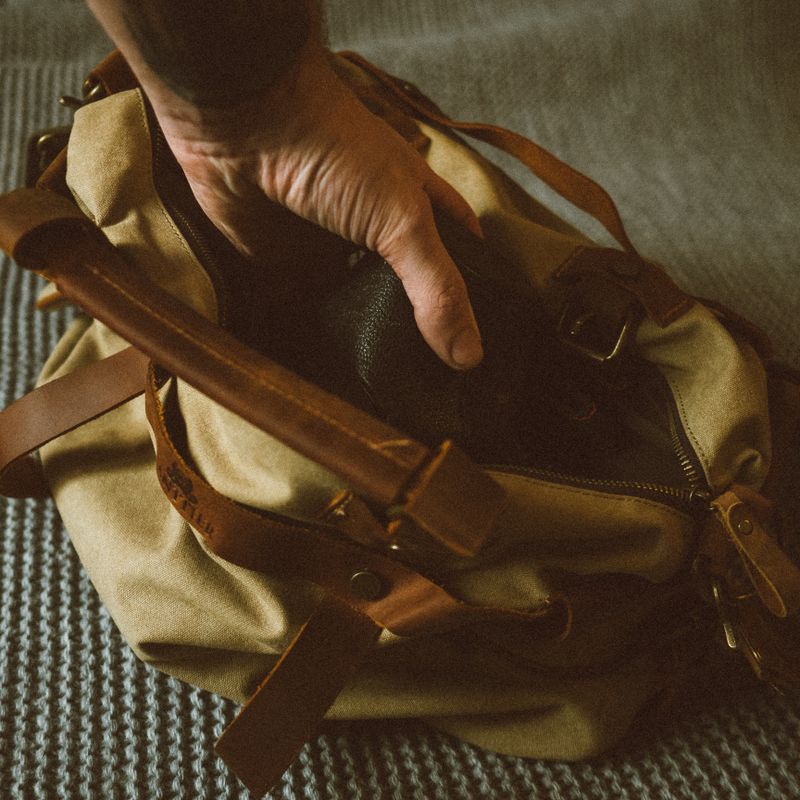
The easiest way to ruin a smooth travel day is to pack like you’re guessing.
Most travelers don’t need more gear—they need better decisions. The best carry-on packing tips are less about stuffing and more about avoiding a handful of predictable mistakes that cost time, money, and calm at the gate. This guide focuses on the five errors that quietly derail carry-on-only trips, plus practical fixes you can use on your very next flight.
If you’ve ever felt that sinking moment—your bag won’t fit the sizer, your “liquids” are a mess, you can’t find your charger, or you’re sweating in line because your laptop is buried—these are the patterns behind it.
Mistake #1: Packing for an imaginary trip (and not the one you’re taking)
The biggest carry-on trap is packing for edge cases: a dinner you might go to, weather that might happen, shoes that might become necessary. In a checked-bag world, over-preparing is mostly a nuisance. In a carry-on world, it’s a structural problem.
A more realistic approach is to pack for a week of outfits that behave like a capsule, even if you’re traveling for three days. That sounds backward, but it forces discipline: fewer items, more combinations.
A better question than “What if?”
Ask: “What will I do each day, and what’s the simplest thing that supports that?”
Business trip? You probably need one reliable pair of shoes, not three. Beach weekend? You don’t need separate “lounging” outfits if your daytime clothes can do both. Cold city? A packable layer and one warm outer piece beat a bulky sweater collection.
Quick checkpoint: if you can’t picture when you’ll wear it, it’s not packing—it’s hedging.
Mistake #2: Ignoring airline size rules until the last minute
This mistake rarely shows up at home. It shows up at the boarding door, when suddenly your bag is “a little too tall” and you’re bargaining with gravity.
Carry-on size limits vary by airline and sometimes by aircraft. Even within the same airline, regional jets can be less forgiving. The U.S. Department of Transportation’s air travel consumer information has long emphasized that policies (including baggage) can vary and that travelers should verify terms with their carrier—practical advice that matters most when you’re traveling light and counting on that overhead bin.
Make your bag choice before you pack
The smartest packing move is choosing a bag that fits common limits and then treating that volume as your boundary. Don’t pack first and “find a bag that works.”
Here’s a simple comparison to keep decisions grounded:
| Option | Pros | Cons | Best for |
|---|---|---|---|
| Soft-sided carry-on | Flexes into sizers/overhead bins; lighter; often expands | Can tempt overpacking; less protection | Frequent flyers who pack tight |
| Hard-shell carry-on | Protects contents; keeps shape | Less forgiving in tight bins; can be heavier | Fragile items, neat packers |
| Carry-on backpack | Hands-free; easy on stairs; good for mixed transit | Can exceed depth when stuffed; less formal | City hopping, trains, minimalists |
A reliable rule: if your bag only fits when expanded, it doesn’t fit.
Mistake #3: Treating toiletries like an afterthought
This one is deceptively expensive. Toiletries are where time disappears (TSA line), where leaks happen, and where people end up re-buying basics at airport prices.
In the U.S., the TSA’s 3-1-1 liquids rule is still the everyday reality for most flyers: liquids, gels, and aerosols in 3.4 oz (100 ml) containers, all fitting into one quart-size bag, one bag per person. Even seasoned travelers slip here, usually by tossing in “just one more” item or forgetting that some products (like gels and creams) count as liquids.
The fix: build a carry-on toiletry system
Not a giant kit—a system.
- Keep a dedicated quart-size bag stocked with travel containers so you’re not decanting at midnight.
- Choose solids where possible (bar shampoo, solid sunscreen sticks, bar soap) to reduce liquid pressure.
- Put your liquid bag somewhere instantly reachable, not buried under clothes.
And a small but meaningful detail: double-bag anything that can leak. Pressure changes and imperfect caps are a classic combination.
Mistake #4: Packing “flat” instead of packing in zones
A carry-on isn’t a drawer. It’s a sequence of checkpoints.
If your laptop is under three layers of clothing, security becomes a shuffle. If your meds and chargers are in the main compartment, you’ll unzip the entire bag at the gate. If your top layer is delicate, it will look like you slept in it by the time you arrive.
The best carry-on packing tips are about access, not just space.
Zone packing: the method that feels like cheating
Think in three zones:
- Checkpoint Zone (top/outer pocket): passport/ID, boarding pass, liquids bag, laptop/tablet, pen, small snack.
- In-Transit Zone (easy reach): headphones, charging cable, battery, meds, wipes, eye mask, a light layer.
- Arrival Zone (deep storage): clothes, extra shoes, backup toiletries, packable day bag.
Once you pack like this, the airport becomes calmer because you stop “digging.”
A small scene you might recognize
You’re standing in a security line with one shoe half on, holding a laptop, and the person behind you is sighing. The issue isn’t the line—it’s your bag’s internal logic. Zone packing turns that moment into a simple unzip-and-go.
Mistake #5: Overpacking clothes and underpacking comfort
This is the mistake that feels rational while you’re folding. Clothes are visible; comfort is invisible until you need it.
Many travelers pack five tops and forget a way to sleep on the plane, or bring extra outfits but no plan for a headache, dry eyes, or a dead phone mid-connection. Yet discomfort is what makes travel feel longer than it is.
A 2024 report from the International Air Transport Association (IATA) noted global air travel demand continuing to grow, with passenger traffic reaching new highs. More demand often means fuller flights and tighter overhead-bin competition—conditions where small comfort items and quick access matter even more.
The carry-on comfort core (without overdoing it)
Aim for a compact “core” that makes delays and long flights tolerable:
- One light layer you can actually sleep in (not a fashion jacket that scratches)
- Earplugs or noise-canceling headphones
- A small, reliable charger setup (short cable + wall plug)
- Any daily meds in original or clearly labeled containers
- A minimal hygiene refresh (toothbrush, wipes, deodorant)
Then trim clothing until it supports the trip instead of competing with it.
A practical pre-flight checklist that prevents all five mistakes
Use this once, and you’ll feel the difference on the next trip.
- Confirm the airline’s carry-on and personal-item size and choose your bag accordingly.
- Write a three-line itinerary (what you’re doing each day) and pack only for those realities.
- Build outfits around two shoes max (often one), and choose pieces that layer.
- Set up your liquids bag the day before; swap in solids when possible.
- Pack in zones so security and the gate don’t require a full unpack.
- Put comfort items where your hand can find them without looking.
- Do a two-minute “zip test”: if the bag closes only with effort, remove one bulky item.
This checklist is short on purpose. Carry-on packing succeeds when you commit to constraints rather than negotiate with them.
Carry-on packing tips that actually change how travel feels
Good packing doesn’t just save space; it changes your posture in the airport. You walk differently when you’re not worried about a gate agent’s sizer or a shampoo leak. You move through security with fewer apologies. You arrive with clothes that still look like clothes.
The deeper lesson behind these carry-on packing tips is that every item should earn its place in one of three ways: it supports the plan, it increases comfort, or it reduces risk. Anything else is noise.
Next time you pack, notice the moment you reach for “just in case.” That impulse is human. But traveling light is a skill—one that gets easier the moment you stop packing for the trip you fear and start packing for the trip you’re actually taking.