A small bow can say more than a long apology.
Travelers often worry about getting Japan “right,” as if one wrong move will ruin the trip. The truth is kinder: most people respond to sincerity, calm, and effort. Still, understanding cultural etiquette in Japan helps you move through trains, temples, shops, and meals with less friction—and with more of the quiet warmth that visitors often miss when they’re distracted by rules.
This guide focuses on the practical moments that matter: greetings that set the tone, public-space habits that keep things comfortable, and dining customs that help you feel at home. Think of it less as a checklist and more as learning the rhythm of everyday life.
Why does cultural etiquette in Japan matter so much?
Because Japanese public life is built around predictability and consideration. The goal isn’t formality for its own sake; it’s reducing pressure on everyone sharing the same space. When you follow the local cues—lining up neatly, speaking softly, keeping things tidy—you’re helping that system work.
The good news is you don’t need perfection. You need awareness: notice what others are doing, then do the simplest version of that.
Greetings, bows, and the art of not making it awkward
A small bow is the default greeting. You don’t need to match angles or duration; a gentle nod of the head works in most casual situations. If someone bows more deeply—say, a hotel staff member—you can mirror with a slightly deeper bow, but don’t overdo it.
Handshakes do happen in business contexts, especially with international visitors. If a handshake is offered, take it; otherwise, the bow is enough.
A useful everyday phrase is “sumimasen,” which covers “excuse me,” “sorry,” and even “thank you” in crowded or service situations. Used lightly, it smooths many small interactions.
Shoes off, slippers on: thresholds that signal respect
Japan pays attention to thresholds—literal and social. In many homes, traditional inns, some restaurants, and temple buildings, you’ll remove your shoes at the entryway (genkan). Look for a step up, shoe shelves, or a line of footwear.
Slippers are often provided, and there’s one famous detail: toilet slippers. If you see them, switch into them only for the restroom, then switch back immediately. It’s not about squeamishness; it’s about keeping “outside” and “inside” clearly separated.
If you’re wearing complicated boots, consider slip-on shoes for travel days. It’s a small choice that makes you feel more relaxed when customs come up unexpectedly.
Train and street etiquette: quiet is a shared resource
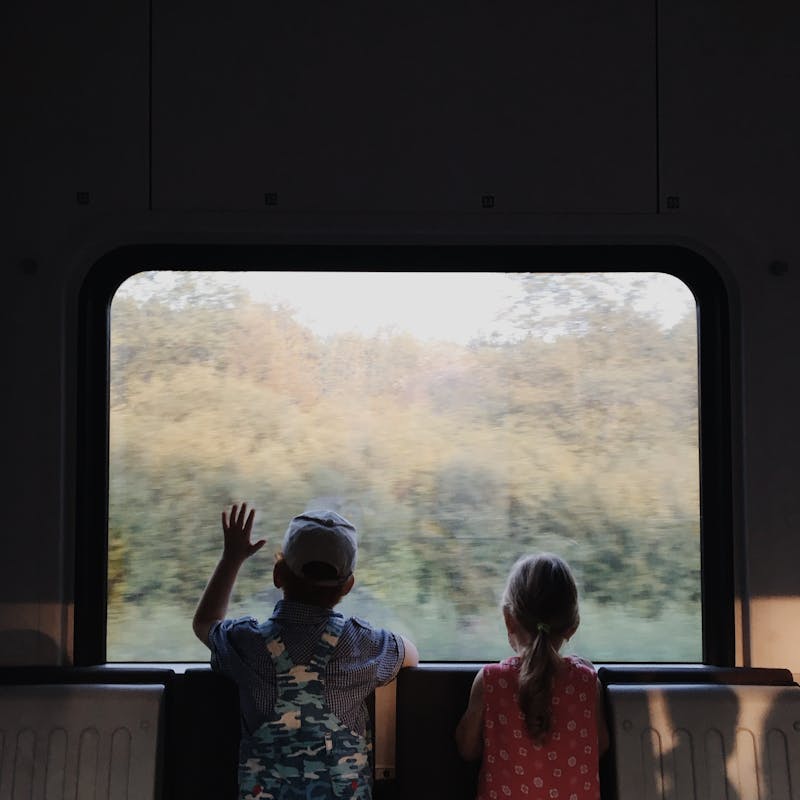
On trains, the dominant rule is simple: keep your presence small. Conversations are typically quiet, phone calls are avoided, and headphones should be low enough not to leak. If you need to talk, keep it brief and soft.
Queueing is also part of the rhythm. On platforms, you’ll often see floor markings showing where to line up. Let passengers exit before entering, and try not to stop suddenly at the top of stairs or escalators.
In many cities, people stand on one side of escalators to allow others to pass (the side can vary by region). If you’re unsure, watch for a few seconds and follow the flow.
Dining manners that make meals feel easier
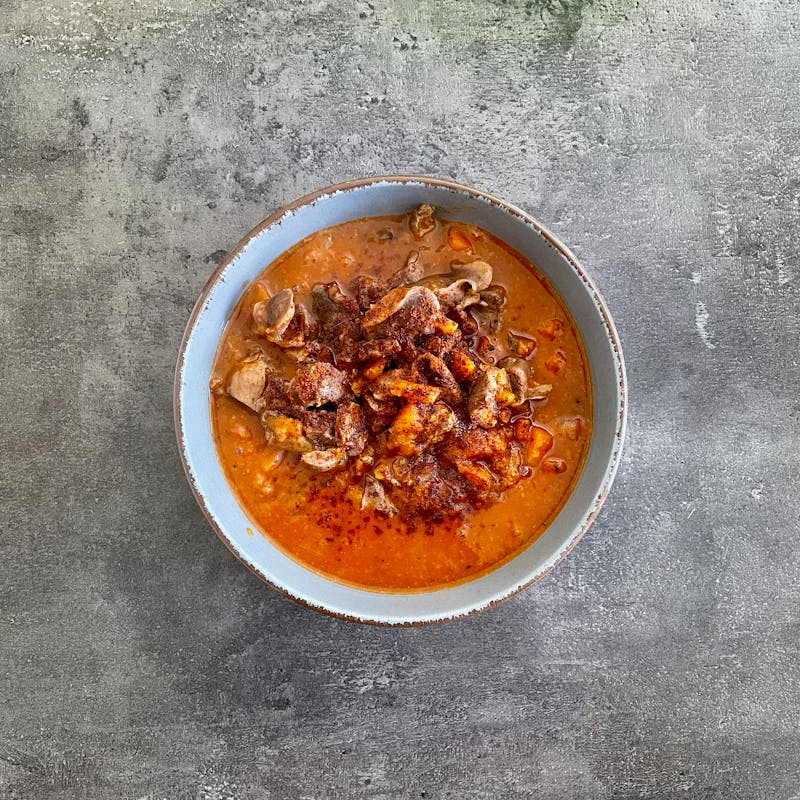
Meals can be the most rewarding part of a trip, and etiquette here is mostly about gratitude and cleanliness.
Before eating, many people say “itadakimasu,” a polite acknowledgment that you’re receiving the meal. Afterward, “gochisousama deshita” conveys thanks. You can say these softly; no one expects a performance.
A few practical notes:
- Chopsticks: Avoid sticking them upright in rice, and don’t pass food from chopstick to chopstick. Both echo funeral rituals and can make the table feel tense.
- Shared plates: Use the opposite ends of your chopsticks (or serving utensils if provided) when taking food from a communal dish.
- Slurping noodles: Surprisingly acceptable—and sometimes seen as enjoying the food—especially with ramen and soba.
- Paying: In many restaurants, you pay at the register near the exit. Tipping isn’t customary; a sincere “arigatou gozaimasu” is plenty.
If you’re at an izakaya (pub-style restaurant), it’s common to order a drink for the table to start. A brief toast—“kanpai”—is the shared moment that settles everyone in.
Temples, shrines, and photography: how to be present without intruding
Sacred spaces in Japan are often active places of worship, not just attractions. The etiquette is less about memorizing steps and more about moving with care.
At many shrines, you’ll see a water pavilion used for symbolic purification. If you’re unsure, it’s fine to observe rather than imitate. The deeper courtesy is to keep your voice low, step aside for those praying, and follow signage about where photography is restricted.
When taking photos in quieter places—gardens, old streets, small museums—avoid blocking pathways. If you want the perfect shot, take it quickly, then move on. The space is shared, and the calm is part of what everyone came for.
Shopping, cash, and small exchanges that carry meaning
You’ll notice a lot of exchanges happen with two hands: handing over a card, receiving change, accepting a receipt. You don’t have to be rigid about it, but using both hands signals attentiveness.
In many shops, there’s a small tray for money or cards. Place payment there rather than directly into someone’s hand. It’s a tiny ritual that makes the transaction feel orderly.
Also, Japan remains more cash-friendly than many travelers expect, especially outside major cities. Carry some yen, and keep coins organized; you’ll use them for transit cards, vending machines, and smaller eateries.
When you inevitably mess up: the etiquette of recovery
Even with the best intentions, you’ll speak too loudly once, step into the wrong spot, or forget the slippers. The recovery is straightforward: pause, smile gently, and say “sumimasen.” Then adjust.
This is the part of cultural etiquette in Japan that matters most: responding calmly. There’s a quiet generosity in the way many people make space for visitors who are trying.
A more thoughtful way to travel
The deeper gift of paying attention to cultural etiquette in Japan isn’t avoiding embarrassment—it’s noticing how much comfort can be created through small choices. The lowered voice on a crowded train. The careful line that turns chaos into order. The simple respect of removing shoes at the door.
Once you start seeing those choices, Japan feels less like a puzzle to solve and more like a place inviting you to move with intention—and to carry some of that gentleness home.