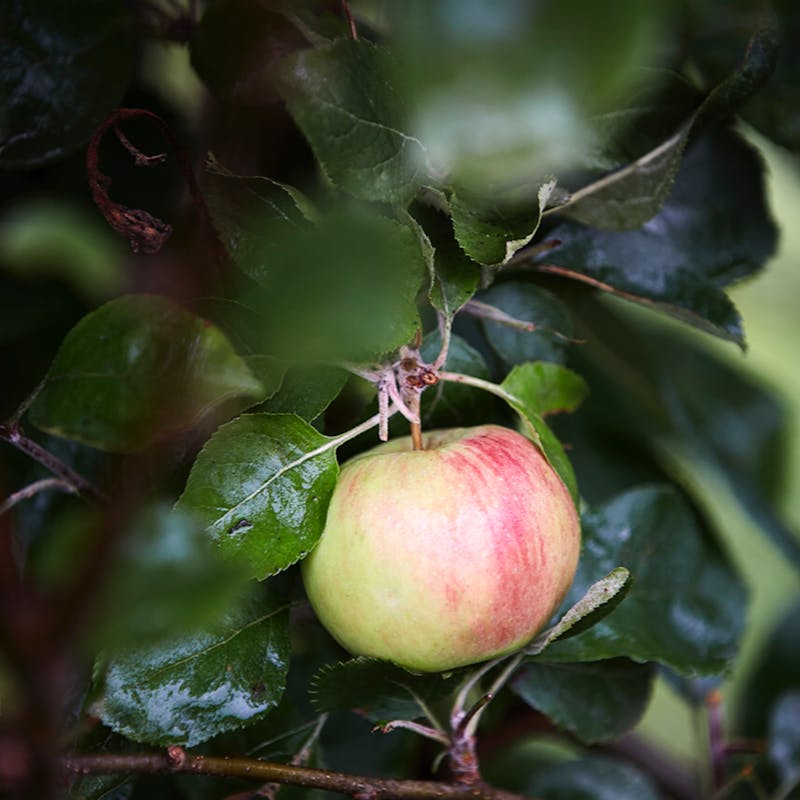
A good harvest rarely happens by accident.
Work is often described like weather—something you endure, something that happens to you. But the people who seem to “get lucky” in their careers tend to talk about it like agriculture: seasons, soil, pruning, patience. The metaphor isn’t cute; it’s accurate. Wealth, in the durable sense, shows up when effort becomes a system and discipline becomes a habit sturdy enough to survive mood swings.
Discipline has a reputation for being harsh, all clenched teeth and rigid schedules. In practice, it’s more like staking a young tree so it grows straight even when wind pushes hard. It’s not punishment. It’s support.
The orchard mindset
An orchard is not a single heroic day of planting. It’s a decision to return, again and again, to the same plot of land with the same care. Work that compounds—the kind that turns into savings, equity, freedom, or options—usually depends on the unglamorous repeatability of small actions.
The orchard mindset changes what you value. Instead of chasing the biggest immediate payoff, you start choosing what improves the soil: skills that transfer, relationships that last, routines that lower the friction of starting. You begin to notice how often success is simply the result of being ready on ordinary days.
In this mindset, time stops being a threat and becomes an ingredient. A tree needs it. So does a craft.
Discipline isn’t intensity; it’s consistency
Most people can sprint. Fewer can walk steadily when no one is clapping.
Intensity is dramatic, and drama feels productive. Consistency is quiet. It looks like answering the email you don’t want to answer, reviewing the numbers you’d rather ignore, doing the workout you promised yourself you’d do because your future joints and future focus will thank you.
In work, consistency has a particular magic: it reduces decision fatigue. When you decide once—“I write every weekday at 8,” “I learn for 30 minutes before meetings,” “I reconcile expenses on Fridays”—you stop negotiating with yourself daily. That negotiation is where a lot of potential income goes to die.
Discipline protects attention, and attention is a form of capital.
Pruning: the discipline of saying no
Orchards are shaped as much by what’s cut away as by what’s kept. The same is true in careers and finances.
Saying yes to everything creates a canopy so crowded that light can’t reach the fruit. A calendar packed with low-leverage tasks can feel responsible while quietly strangling the work that would actually move you forward.
Pruning can look like declining a project that doesn’t build your reputation or skills. It can look like stepping back from social obligations during a demanding season. It can also look like refusing to fund a lifestyle that requires constant urgency at work.
This is where discipline meets identity. You’re not just managing time; you’re deciding what kind of person your week is allowed to produce.
The invisible trellis: systems that hold you up
Even the most disciplined people rely on structures. They set up environments that make the right choice easier and the wrong choice more annoying.
In work, that might mean templates, checklists, recurring reviews, and a simple project board that prevents tasks from dissolving into vague stress. It might mean batching calls, automating invoices, or protecting two hours of deep work as fiercely as you would protect a flight reservation.
In wealth-building, the trellis often takes the form of automation and rules. Money that moves automatically to savings or investments doesn’t depend on willpower. A written spending plan makes “Can I afford this?” a quick reference instead of a recurring argument.
Discipline isn’t only personal grit. It’s also architecture.
Weathering the late frosts
Anyone who has worked for long knows the calendar lies. Some seasons are fruitful, others stubborn. A promotion gets delayed. A client disappears. A health issue forces everything to slow.
Discipline doesn’t eliminate those late frosts. It reduces how devastating they are.
When you’ve built a steady practice of learning, you’re more adaptable when your role changes. When you’ve kept expenses below your means, you’re less trapped by a bad job. When you’ve invested in relationships without constantly “networking,” you have people to call when you need a door opened.
This is what resilience looks like in adult life: not bravado, but preparation.
When wealth ripens—and what it changes
Wealth ripening beside discipline is not just about hitting a number. It’s about buying back flexibility.
It can mean choosing a job for meaning rather than panic. It can mean taking a calculated risk—starting a business, moving to a new city, going back to school—without gambling the basics. It can mean being able to say, “I’m not available for that,” without fear.
It also changes how you see status. The more disciplined your life becomes, the less attractive certain displays look. You start recognizing the difference between expensive and valuable. You stop confusing busyness with importance.
And you notice a quiet irony: discipline can look restrictive from the outside, but lived over time it creates room.
The daily walk through the rows
The most convincing image of discipline isn’t a motivational poster. It’s someone doing small maintenance when it would be easy to skip it.
A manager closes out the week by giving clear feedback so resentment doesn’t ferment. A freelancer follows up on invoices without shame. A nurse studies for a certification after a long shift, not because it’s romantic, but because it’s a doorway. A new parent sets up automatic transfers because sleep deprivation makes budgeting feel impossible.
These are not grand gestures. They are the daily walk through the rows: checking, adjusting, tending.
The strange comfort is that discipline doesn’t require perfect days. It requires returns—coming back after distraction, after discouragement, after the week that didn’t go as planned. That return is where compounding lives.
The orchard of work doesn’t reward the loudest intentions. It responds to care, repeated until it becomes ordinary. And somewhere along the way, without fireworks, wealth begins to appear like fruit: not because you demanded it, but because you built a life that could grow it.