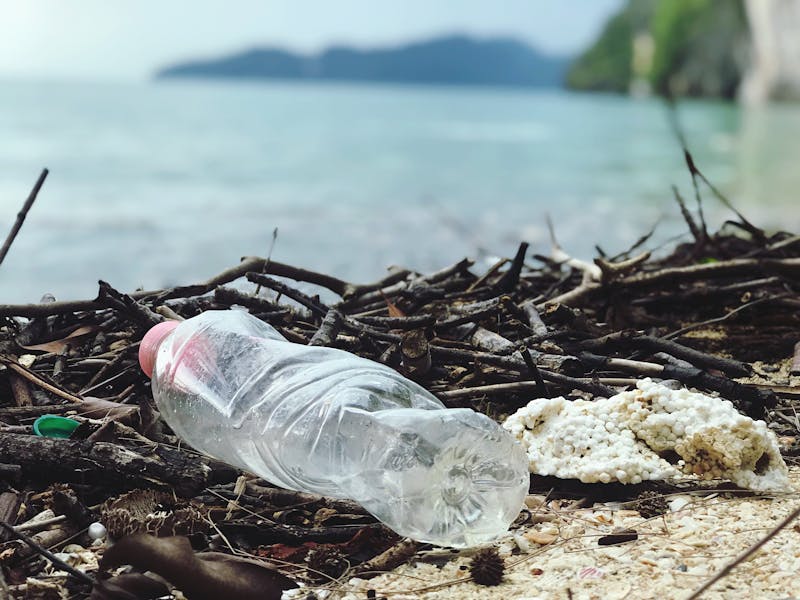
Tiny plastic particles are infiltrating our oceans and dinner plates, posing unseen threats to marine life and human health.
The Ubiquity of Microplastics
Microplastics, defined as plastic fragments less than 5 millimeters in size, have become pervasive in our environment. Originating from the breakdown of larger plastic items or manufactured directly for products like cosmetics and textiles, these particles have been detected in oceans, soils, and even the air we breathe. Their minute size allows them to be easily ingested by marine organisms, initiating a cascade of contamination through the food chain.
Entry into Marine Ecosystems
Once in the marine environment, microplastics are readily consumed by a variety of organisms. Plankton, the foundational component of the oceanic food web, mistake these particles for food. This ingestion is not limited to plankton; small fish, mollusks, and crustaceans also consume microplastics, either directly or by preying on contaminated organisms. This widespread ingestion facilitates the movement of microplastics up the food chain, a process known as trophic transfer.
Bioaccumulation and Biomagnification
As microplastics ascend the food chain, they accumulate in the bodies of predators. This bioaccumulation means that larger fish, marine mammals, and ultimately humans, are exposed to higher concentrations of microplastics. Biomagnification exacerbates this issue, as the concentration of these particles increases at each trophic level. Studies have found microplastics in a significant percentage of seafood samples, indicating their prevalence in consumable marine life.
Human Consumption and Health Implications
The presence of microplastics in seafood has direct implications for human health. When we consume contaminated fish or shellfish, we also ingest these particles. Research has detected microplastics in human tissues, including the lungs, liver, and even the brain. While the full extent of health effects is still under investigation, potential risks include inflammation, disruption of the endocrine system, and exposure to toxic chemicals associated with plastics.
Sources Beyond the Sea
It's important to note that seafood is not the sole source of microplastic exposure. These particles have been found in bottled water, table salt, and various processed foods. Additionally, microplastics can be inhaled from the air, especially in urban environments. This widespread presence underscores the pervasive nature of plastic pollution in our daily lives.
Mitigation and Future Directions
Addressing the microplastic crisis requires a multifaceted approach:
- Policy Implementation: Governments can enact regulations to reduce plastic production and improve waste management practices.
- Consumer Choices: Individuals can minimize plastic use by opting for reusable products and avoiding single-use plastics.
- Research and Innovation: Continued scientific research is essential to understand the impacts of microplastics and develop effective filtration and degradation technologies.
By taking collective action, we can mitigate the infiltration of microplastics into our ecosystems and food supply, safeguarding both environmental and human health.