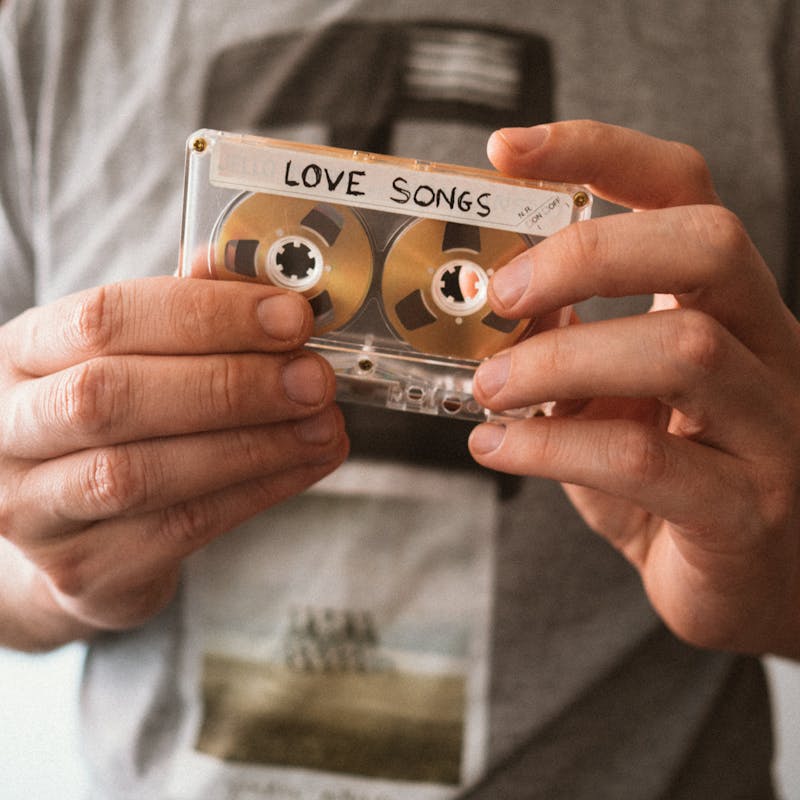
Sometimes the future hides in the dusty drawer.
There’s a particular kind of quiet satisfaction in plugging in a device that the world has politely moved on from. The screen might be dimmer, the buttons might click louder than they should, and the startup might take an extra beat. But it works. It still does the thing it was built to do, and in that simple fact there’s a surprising kind of freedom.
“Obsolete” is a slippery word in a home filled with living, breathing routines. A gadget becomes obsolete when the market says it is—when new versions arrive, when software stops updating, when a sleek replacement is marketed as essential. But your kitchen doesn’t know what year it is. Your living room doesn’t care. Your hands, your habits, your needs—those are the real timelines.
Embracing older gadgets at home isn’t about rejecting progress or turning life into a museum. It’s about noticing what we gain when we stop chasing the newest thing by default.
When “Good Enough” Becomes a Superpower
Modern tech culture trains us to see “good enough” as a temporary state. It’s a placeholder until the upgrade arrives. Yet in daily life, “good enough” is often exactly what we need.
A ten-year-old Bluetooth speaker might not have voice assistants or multi-room pairing, but it fills the kitchen with music while you cook. A used e-reader with a scuffed bezel may lack the latest warm-light feature, but it still turns pages without asking for your attention.
There’s power in choosing a tool that does its job and then disappears from your mental bandwidth. You stop managing it. You stop thinking about it. The gadget becomes a quiet servant again, not a demanding roommate.
The Hidden Comfort of Familiar Interfaces
Older gadgets have something modern devices often sand down: a distinct personality. They also have interfaces that were designed when companies assumed you’d learn a device once and keep using it.
A stereo with physical knobs gives your hands certainty. An old digital camera with dedicated buttons doesn’t hide basic functions behind menus that change with each update. Even a chunky TV remote can feel like a small relief—volume is volume, input is input, and there’s a button for everything.
That familiarity matters more than we admit. When so much of life feels like it’s constantly being redesigned—apps rearranged, features renamed, subscriptions added—the steady predictability of an older device can feel like a corner of the house that stays put.
Obsolescence Is Often a Business Strategy
A lot of gadgets don’t become unusable; they become less convenient. They lose compatibility. The company stops issuing updates. A new standard replaces an old one.
This isn’t always malicious. Technology does evolve. Security matters. New formats can be genuinely better. But the line between improvement and nudging is blurry, and consumers usually feel that blur in their wallets.
When you keep an “obsolete” gadget in service, you’re quietly pushing back against the idea that usefulness expires on a schedule. You’re deciding that the value of an object is tied to what it can still do, not what it can’t.
And that shift—tiny as it sounds—changes the atmosphere of a home.
A House That Isn’t Always Updating
There’s a specific kind of stress that comes from living in an always-updating environment. A smart doorbell needs a firmware update. The streaming stick suddenly won’t load an app. The robot vacuum needs a new account login after a policy change.
Older gadgets, especially those with fewer network dependencies, tend to be calmer. They don’t need permission to function. They don’t wake up one day with a new interface that breaks your routine.
Picture a Saturday morning. Coffee is brewing. You press play on an old CD player or an iPod dock. Music begins without buffering, without notifications, without a pop-up asking you to accept new terms.
That experience isn’t just nostalgic. It’s stable. It’s homey in a way that modern convenience sometimes forgets to be.
The Unexpected Joy of Single-Purpose Devices
One of the strangest side effects of the smartphone era is that many of us do everything on one device and then feel overwhelmed by it. The phone is a camera, a calendar, a news feed, a work portal, a social space, and a shopping mall.
Older gadgets often do one thing, and that’s the point.
A basic alarm clock doesn’t tempt you to check email at 6:30 a.m. A dedicated MP3 player doesn’t lead you into a 45-minute scroll after you pick a playlist. A standalone GPS doesn’t ping you with messages.
When you revive single-purpose gadgets, you carve out little zones of focused living. The device becomes a boundary. It says: you’re here to listen to music, not to be marketed to. You’re here to wake up, not to perform morning triage on the internet.
Repair as a Form of Ownership
Newer gadgets are often sealed, miniaturized, and optimized for replacement. Older devices—depending on the era—can be more forgiving. They may have screws instead of glue. They may allow battery swaps. They may be built with standard parts that can be replaced.
Even when repair is simple—cleaning out a port, replacing a cord, tightening a loose panel—it changes your relationship to the object. You stop being only a user and become a caretaker.
That’s not romanticism; it’s a practical shift. A home filled with repairable objects encourages a mindset of continuity. Things aren’t disposable by default. They’re improvable.
And if you have kids in the house, letting them watch you fix something—rather than toss it—teaches a quiet lesson about what value looks like.
The Aesthetic of Time, Not Trend
Obsolete gadgets carry the design language of their moment. Sometimes that moment was clunky. Sometimes it was surprisingly elegant.
A translucent plastic radio from the early 2000s. A brushed-metal receiver with a warm glow. A corded phone that feels like it belongs in a movie scene. These objects can add texture to a home that’s otherwise filled with black rectangles.
It’s not about curating a retro theme. It’s about letting your space reflect a longer story than the current product cycle. When your home contains objects from different eras, it feels less like a showroom and more like a life.
Privacy and Quiet: The Upside Nobody Advertises
Many older gadgets are offline by nature. They don’t collect data because they can’t. They don’t listen because there’s no microphone. They don’t send analytics because they aren’t connected.
In a time when even a thermostat can be a data pipeline, there’s something comforting about tools that simply sit there and work. A wired printer, an old scanner, a lamp with a switch—these aren’t just outdated objects. They’re reminders that not everything needs to report back to somewhere.
Even in the realm of entertainment, older options can feel cleaner. A DVD player doesn’t track your viewing habits. A radio doesn’t ask you to build a profile. The simplicity isn’t only technical; it’s emotional.
The Environmental Reality in the Corner of the Room
E-waste is one of the fastest-growing waste streams globally, and a lot of it comes from devices that are “obsolete” in the marketplace but not actually broken. Keeping a gadget in service longer is one of the most direct, personal ways to reduce that churn.
It’s easy to assume environmental action must be grand. But the smaller truth is that many impacts are shaped by ordinary decisions: whether you replace or repair, whether you repurpose or discard.
Using an older gadget doesn’t solve systemic issues. It doesn’t absolve manufacturers of responsibility. But it does interrupt the automatic rhythm of buy–use briefly–replace. And once you notice that rhythm, it becomes harder to unsee.
Hand-Me-Down Tech and the Culture of Sharing
Older gadgets have a social afterlife. A tablet that no longer gets the newest updates can become a recipe screen in the kitchen. A “slow” laptop can become a writing machine. An old phone can become a dedicated music player for a kid’s room.
These devices create opportunities for sharing within households and communities. They’re less precious, less anxiety-inducing. You hand them over without the fear that one scratch will ruin a resale value.
There’s something generous about tech that has outlived its status symbol phase. It becomes useful again, but in a softer, more communal way.
Living With Limits Without Feeling Limited
Not every obsolete gadget is worth keeping. Some are energy-hungry. Some are unsafe. Some are genuinely incompatible with modern life in a way that creates more hassle than benefit.
But for the right device, the limitations are often the upside. A camera that can’t instantly upload photos encourages you to take fewer and keep them longer. A music player with limited storage nudges you to curate instead of hoard.
Limits can create taste. They can create intention. They can make a routine feel shaped rather than infinite.
A Home That Chooses Its Own Pace
There’s a quiet rebellion in letting your home operate at human speed instead of market speed. Embracing obsolete gadgets is one way to do that.
It’s saying that your kitchen doesn’t need the newest screen to make dinner. Your mornings don’t need an app ecosystem to start. Your living room doesn’t need to be optimized for constant novelty.
And maybe that’s the real upside: a home filled with objects that have already proven they can last.
The older gadget on the shelf becomes a small anchor. It reminds you that usefulness is not the same as newness, and that progress doesn’t always mean replacing what still works.
In a world that keeps insisting you’re behind, choosing to keep what serves you can feel like finally stepping out of the race—and hearing, for the first time in a while, how quiet your own house can be.