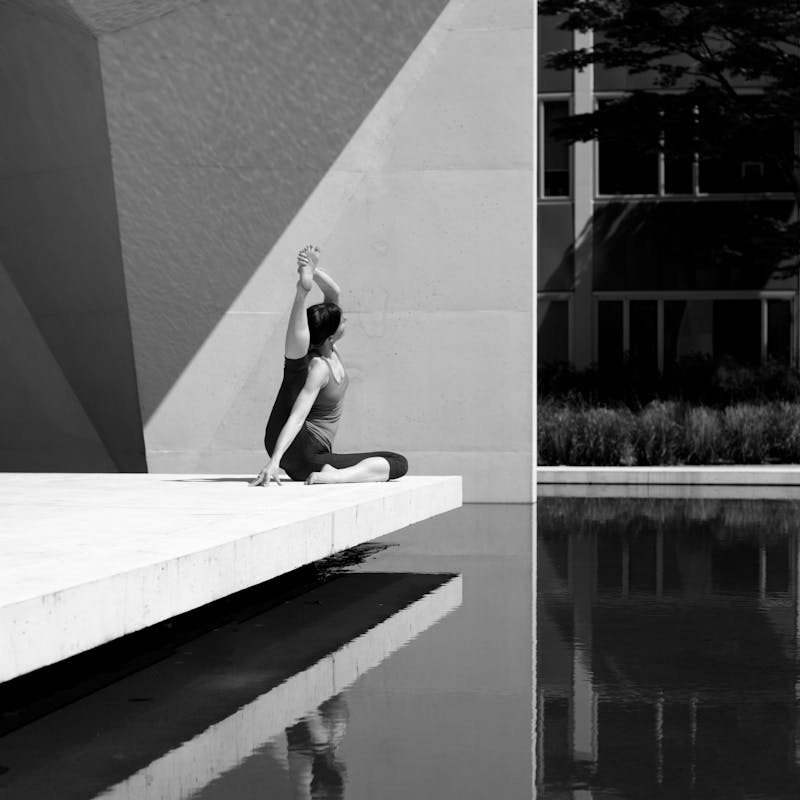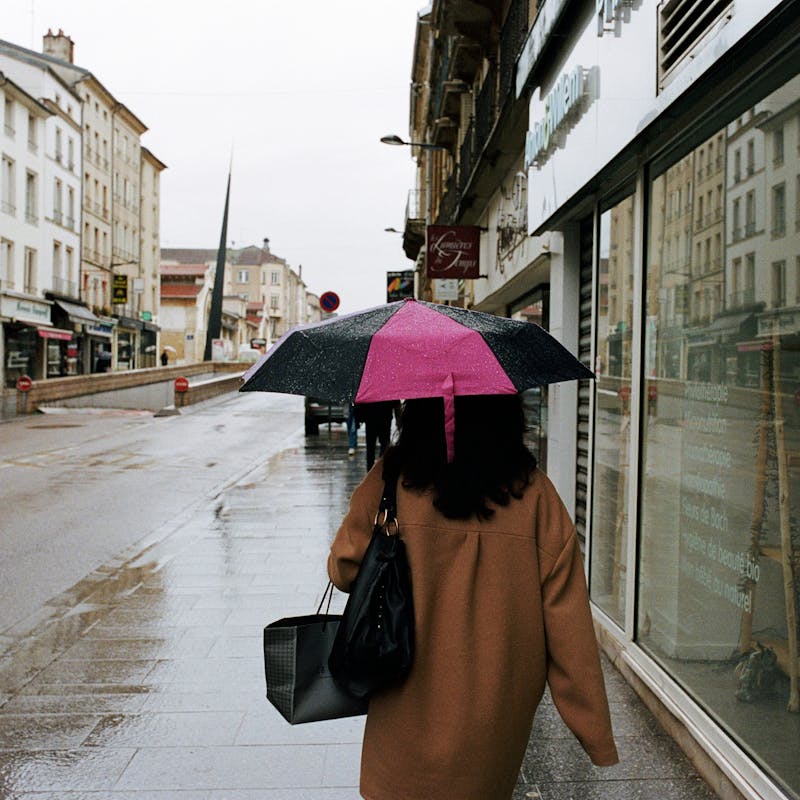
Sometimes it’s the smallest, quietest habit that keeps the whole day from sliding apart.
Restless times don’t always announce themselves with sirens.
More often they arrive as a low, constant vibration: headlines you can’t unsee, calendars that fill themselves, the sense that everyone is improvising while pretending to be fine. We learn to live in that hum. We develop a tolerance for it. And then, without warning, we realize we’re clenching our jaw in the grocery line.
When life feels unstable, we usually reach for big answers.
We want a plan that will make the future behave, a new system that will finally tame the mess, a grand decision that will deliver us to solid ground. But most people don’t actually stay intact through upheaval because of a perfect strategy. They stay intact because of private rituals—small, repeatable acts that tell the nervous system, the heart, and the mind: you are still here.
These rituals rarely look impressive.
They don’t always show up on wellness feeds or productivity blogs. They aren’t meant to be photographed. They’re meant to be lived, usually in the margins: the minute before the house wakes up, the pause after an email is sent, the moment when you decide not to refresh the news again.
The hidden architecture of ordinary days
A ritual is not the same thing as a routine.
A routine is functional: you do it because it works. A ritual has meaning layered into it: you do it because it reminds you who you are, or who you’re trying to be. You can brush your teeth as a routine, or you can brush your teeth slowly at night as a ritual that marks the end of the day, a small closing ceremony.
In restless times, meaning becomes a scarce resource.
So much of what we do starts to feel reactive—responding, managing, putting out fires. The ritual quietly resists that. It suggests that not everything is an emergency. It gives you a place to stand that isn’t shifting under your feet.
Think about the way people naturally create little “anchors.”
The same mug, even when the cupboard is full of others. The same song at the start of a run. The way someone always checks the lock twice, not out of fear exactly, but because the click means the threshold has been crossed and the outside world can wait.
These acts look trivial from the outside.
From the inside, they are a form of self-trust, a private agreement: I will meet myself here again tomorrow.
Why privacy matters more than ever
There’s a particular strength in keeping some rituals unshared.
We live in a culture that encourages us to broadcast everything, even our attempts at calm. But the moment an act becomes performative, it changes. It starts to recruit an audience. It begins to compete with other people’s versions of peace.
A private ritual has no competition.
It can be strange. It can be inconsistent. It can be tender in ways you don’t have words for. It doesn’t have to prove itself. That privacy creates a kind of psychological shelter—a corner of life not up for commentary.
It’s also a form of boundary-setting.
Not the loud, declarative kind, but the quiet kind that actually holds. If the world can’t stop asking for your attention, a private ritual is a decision to keep something for yourself. It says: I belong to me, at least in this small way.
The body remembers what the mind forgets
During uncertainty, people often try to “think” their way into calm.
We negotiate with ourselves: it’s not that bad, you should be grateful, just focus. Sometimes that helps. But the body is less persuadable. It speaks in sleep that won’t come, shoulders that won’t drop, appetite that disappears or spikes.
Rituals work partly because they are physical.
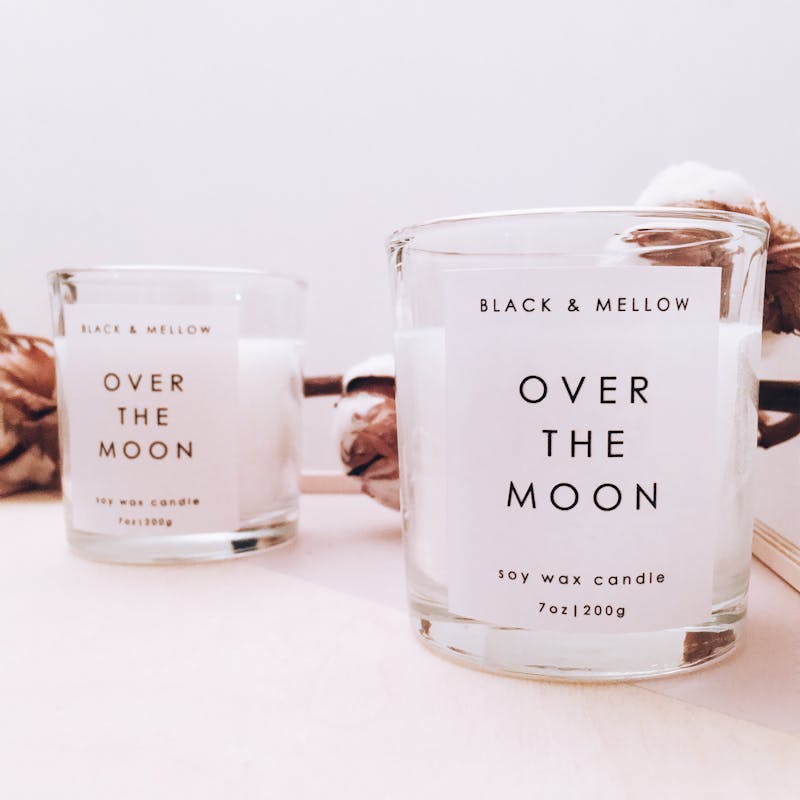
They use repetition and sensory detail to communicate safety. Warm water over hands. The sound of pages turning. The steady pace of walking the same block. Even lighting a candle is a body-level signal: a small flame, a contained brightness, a boundary around a moment.
In a world that feels too large, ritual makes the world smaller.
Not smaller in ambition, but smaller in scale—small enough to hold. When you grind coffee beans, you can hear what you’re doing. When you fold laundry carefully, you can see the order returning. When you water a plant, you can witness a cause and effect that isn’t corrupted by randomness.
These are not solutions to global problems.
They are solutions to the local problem of being a human nervous system trying to function inside global problems.
Micro-ceremonies of attention
Attention is a moral and emotional resource.
We spend it all day without noticing: on notifications, on other people’s moods, on the quick internal math of whether we’re falling behind. Restless times make attention feel like a leaking bucket.
Private rituals are, at their best, micro-ceremonies of attention.
They don’t just occupy time; they reclaim it. They train you to place your mind somewhere on purpose, even if only for thirty seconds.
You can see this in small scenes.
Someone pauses before entering their apartment, keys still in hand, and takes one long breath like they’re stepping out of a storm. Someone smooths the bedspread not because it matters, but because the gesture says, “This is my space.” Someone writes a single sentence in a notebook each night—a blunt truth, a gratitude, a complaint—so the day doesn’t evaporate without being witnessed.
There is dignity in that witnessing.
To pay attention to your own life, gently and regularly, is to refuse the idea that you are merely being carried along.
How rituals quietly connect us
Private rituals sound solitary, but they can hold communities together.
Not through coordination, but through resonance. Millions of people do similar small things for the same reason: to endure, to reset, to remember themselves. The sameness is not a threat to individuality; it’s a reminder that our needs are more universal than we admit.
Consider the unspoken solidarity of evening lights.
In countless homes, someone is making a cup of tea, rinsing the day off, turning down the volume, feeding a pet, checking on a neighbor by text. None of this becomes a headline. But it is the social fabric at its most practical.
Rituals also shape how we show up for others.
When you have an anchor, you become less likely to demand that other people stabilize you. You can meet them with more patience. You can listen without immediately trying to fix. You can offer presence instead of panic.
Even shared rituals often begin as private ones.
A parent’s quiet habit of reading before bed becomes a child’s expectation of being soothed. A friend’s Sunday phone call becomes a point on the week’s map. A couple’s nightly check-in—ten minutes, no phones—becomes a kind of emotional housekeeping that keeps resentment from piling up.
The ritual is small, but it changes the climate.
The difference between numbing and tending
Not every repeated act is a ritual that helps.
Some repetitions are numbing: scrolling until you’re hollow, snacking without hunger, keeping the television on so silence can’t find you. Those behaviors have their own logic; they’re trying to protect you from overwhelm.
But tending feels different than numbing.
Tending has a note of care in it, even when it’s imperfect. It leaves you a little more present than before. It doesn’t have to be beautiful. It just has to be honest.
A good private ritual doesn’t always make you feel better right away.
Sometimes it makes you feel more. And that can be the point. In restless times, feeling can be frightening, because it reminds you what you care about. But what you care about is also what makes you human.
Rituals give emotion a container.
They say: you can grieve here for five minutes. You can rage into the pages of a notebook. You can pray, or sit in silence, or step outside and let cold air reset your thoughts. Then you can return.
When a ritual becomes a compass
Over time, private rituals do something subtle.
They start to reveal what you value. The ritual you protect is the one that speaks to a need you’re no longer willing to ignore.
If you always walk after dinner, maybe you value transition.
You need a bridge between work-self and home-self. If you always make your lunch the night before, maybe you value being cared for by your past self. If you always tidy one small corner of the house, maybe you value the feeling of control, but only in doses you can actually sustain.
In that way, ritual becomes a compass.
Not because it points to a single destination, but because it helps you orient. It tells you what steadies you, what drains you, what brings you back.
And in restless times, orientation is everything.
You can survive a lot if you know where you are.
A small ending, done on purpose
The temptation, when the world feels unstable, is to wait.
To wait until things settle before you start living normally again. To postpone joy. To postpone rest. To postpone the small gestures of care until they feel “earned.”
But the truth is that stability is not a prerequisite for a meaningful life.
Meaning is often something you practice in the middle of instability. Not loudly. Not perfectly. Just regularly enough that you can recognize yourself.
Private rituals are a way of saying: I will not abandon the day.
I will give it a shape, even if it’s only the shape of a morning cup held with both hands, a window opened for fresh air, a quiet sentence written down, a light turned off with intention.
In a restless era, that kind of intention is not small.
It is how we keep faith with our own lives. It is how we stay connected to others without being consumed by the noise. It is how we hold ourselves together—not with force, but with a repeated, human tenderness that asks for almost nothing and gives back more than it should.