Airports don’t have to feel like a test you didn’t study for.
Most “tips” for smoother trips are really reactions to the same handful of problems: missed connections, surprise fees, lost sleep, and that creeping sense you’re forgetting something important. The smartest travel hacks for flying aren’t secret shortcuts—they’re habits that prevent avoidable mistakes before the first boarding call. What follows are five common missteps travelers make (even frequent flyers), why they happen, and what to do instead so your next flight feels more like a plan than a gamble.
Mistake #1: Treating booking like a one-click task
The biggest avoidable stress often starts weeks before the airport. A flight purchase can look “done” when the confirmation email arrives, but important details—fare rules, seat assignment, connection time, and baggage—are still unresolved.
One reason this matters is that airfare categories have become more restrictive. Basic economy can be a fine deal, but it’s also where “I didn’t know” costs the most: limited seat selection, stricter change rules, and tighter carry-on allowances on some airlines.
What to do instead
Use a two-minute booking checklist before you pay:
- Confirm connection time (aim for at least 60–90 minutes for domestic; longer for international and any airport known for congestion).
- Check whether your fare includes carry-on and seat selection.
- Look at the aircraft layout if seat matters (exit rows, lavatories, and galley noise are real).
- If you must check a bag, compare the fee now vs. at the airport.
- Screenshot or save your confirmation and ticket rules in one place (email alone can be hard to search when you’re rushed).
A small but high-leverage move: if you’re booking a tight connection, avoid itineraries that require switching terminals with a train or bus unless you’ve done that airport before.
Mistake #2: Packing like the goal is “bring everything,” not “find everything fast”
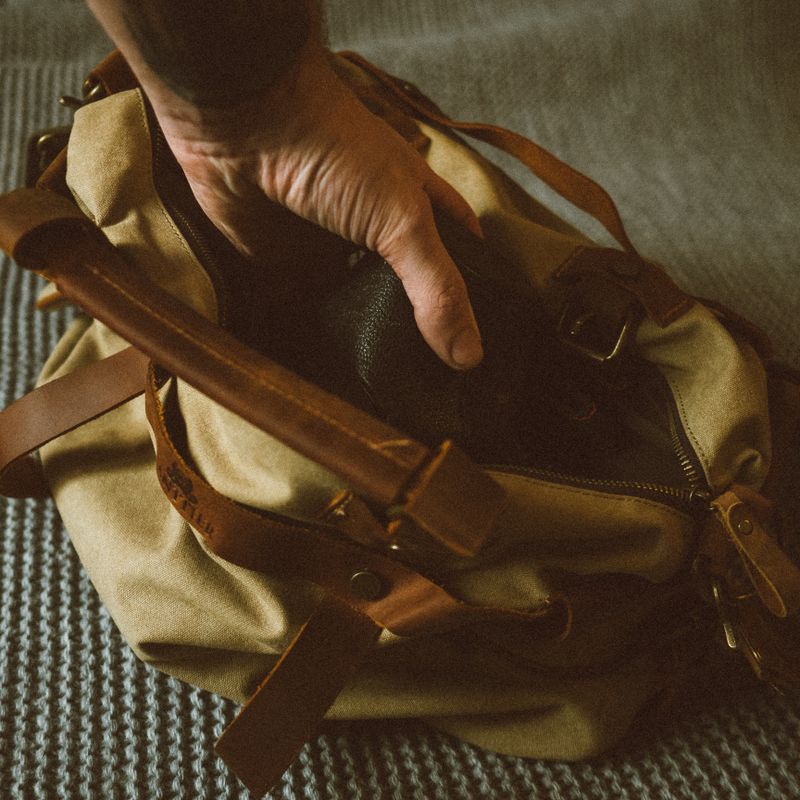
Packing advice usually focuses on what to bring, but airport friction comes from how you packed. Security, boarding, and in-flight comfort all reward quick access and clear separation.
The best travel hacks for flying often look boring: fewer loose items, fewer last-minute rummages, fewer opportunities to leave something behind at a checkpoint.
A practical packing system that reduces mistakes
Keep your bag organized by “moments,” not categories:
- Security moment: ID/passport, boarding pass, liquids bag (if you use one), laptop/tablet.
- Boarding moment: headphones, charger, snack, empty water bottle, pen.
- In-seat moment: sweater or layer, eye mask, any medication, gum.
If you’re checking a bag, assume it may arrive late. The U.S. Department of Transportation’s Air Travel Consumer Reports regularly show that mishandled baggage rates fluctuate by month and carrier; the point isn’t to panic, but to plan so an overnight delay is annoying—not trip-ending.
Pack one change of clothes and essentials in your carry-on, especially for weddings, business travel, or cold-weather destinations where “I’ll just buy something” is less realistic.
Mistake #3: Arriving at the airport based on optimism, not probabilities
Many travelers anchor on their best-case commute: light traffic, short security line, gate nearby. That works until it doesn’t—and the consequences are steep because airlines often close bag drop and boarding earlier than people expect.
A more useful approach is to plan for the average bad day: a slow rideshare pickup, a security line that suddenly doubles, or a gate change that sends you power-walking across the terminal.
What makes timing so tricky now?
Two trends collide: more people traveling during peak seasons, and operational volatility (weather, staffing, ATC delays). The Federal Aviation Administration tracks delay drivers across the system, and weather remains one of the biggest disruptors—meaning you can do everything right and still face a mess. The win is not “prevent all delays,” but “avoid missing your flight because you cut it close.”
A simple rule set that works
- For domestic flights: aim to be at the airport 2 hours before departure.
- For international: 3 hours is still a solid standard.
- Add 30–60 minutes if you’re checking a bag, flying at a peak time (early morning or Sunday evening), or traveling through a large hub.
This isn’t about being early for early’s sake. It’s about arriving with enough slack that you can handle a surprise—then spend the extra time calmly, not sprinting.
Mistake #4: Ignoring seat strategy (and paying for it with sleep, space, or stress)
Seats aren’t just comfort. They affect how you board, how you stow a bag, whether you can get up easily, and how rested you feel at landing.
This is where travel hacks for flying can deliver outsized returns: a small decision at seat selection can influence the entire flight.
Window vs. aisle isn’t the whole story
Think in trade-offs:
- Window: better for sleep and a place to lean; worse if you need frequent bathroom breaks.
- Aisle: better for mobility; worse if you’re bumped by carts or people.
- Middle: sometimes the only option, but it can be softened with early boarding and a compact personal item.
Use a quick comparison before you pay for an “upgrade”
| Option | Best for | Watch-outs | Worth it when… |
|---|---|---|---|
| Exit row | Legroom | May not recline; responsibilities in emergencies | You’re tall and flying 3+ hours |
| Front of economy | Faster deplaning | Overhead bins fill early; more foot traffic | You have a tight connection |
| Bulkhead | Space in front | Bags must go overhead for takeoff/landing | You don’t need constant access to your stuff |
| Premium economy | Comfort + some perks | Price jumps quickly | Overnight flights or work trips |
If you’re prone to jet lag or arriving for something important, comfort can be a performance decision, not a luxury.
Mistake #5: Treating the flight like dead time instead of recovery time
A lot of in-flight misery comes from dehydration, poor sleep, and decision fatigue—then you land and expect to function normally. The problem isn’t just the flight; it’s what the flight does to the first day of your trip.
Research on circadian rhythm disruption suggests that light exposure, timing, and sleep quality matter for how quickly you adapt. Even without getting clinical, most travelers recognize the pattern: you arrive, feel wired, then crash at the wrong hour.
Small moves that change how you land
These are simple, but they work because they match the reality of flying:
- Hydrate early: start before the airport. Dry cabin air can make you feel worse than you expect, especially on longer flights.
- Eat with intention: heavy meals + altitude + sitting still can be a rough combo. Aim for lighter, familiar foods before boarding.
- Build a “sleep cue”: same playlist, eye mask, hoodie, or routine—your brain learns the pattern.
- Move briefly: stand up when you can, or do small ankle and calf movements in-seat.
The CDC has long emphasized movement and hydration as basic measures for long trips, especially for people at risk of circulation issues. You don’t need to obsess—just respect that your body reacts to hours of stillness.
What makes travel hacks for flying actually work?
They work when they reduce decision-making at the exact moments you’re most overloaded: at the counter, in the security line, during boarding, and when you’re tired in row 28 trying to remember where you put your charger.
If you want a “one-page” approach, focus on these three principles:
- Front-load clarity: know your fare rules, baggage, and connection time before travel day.
- Design for access: pack so the next two hours of needs are always reachable.
- Protect your landing: treat sleep, food, and hydration as part of the itinerary.
Most mistakes don’t come from inexperience. They come from rushing, assuming, and letting small uncertainties pile up until they become a problem at the worst possible moment.
A quick pre-flight checklist (the kind you’ll actually use)
Use this the night before and again on the way to the airport:
- Wallet: ID/passport, one payment method, insurance card if needed
- Phone: boarding pass downloaded, charger, backup battery if you use one
- Bag: essentials + one outfit in carry-on (if checking luggage)
- Seat: confirmed (or check-in reminder set)
- Airport plan: terminal, parking/rideshare drop, realistic arrival time
- Health basics: water plan, any medication, a layer for temperature swings
The quiet truth about flying is that the airport rewards calm systems more than clever tricks. Avoid the five mistakes above and you’ll notice something surprising: the trip doesn’t just get easier—you start arriving with more of yourself intact.