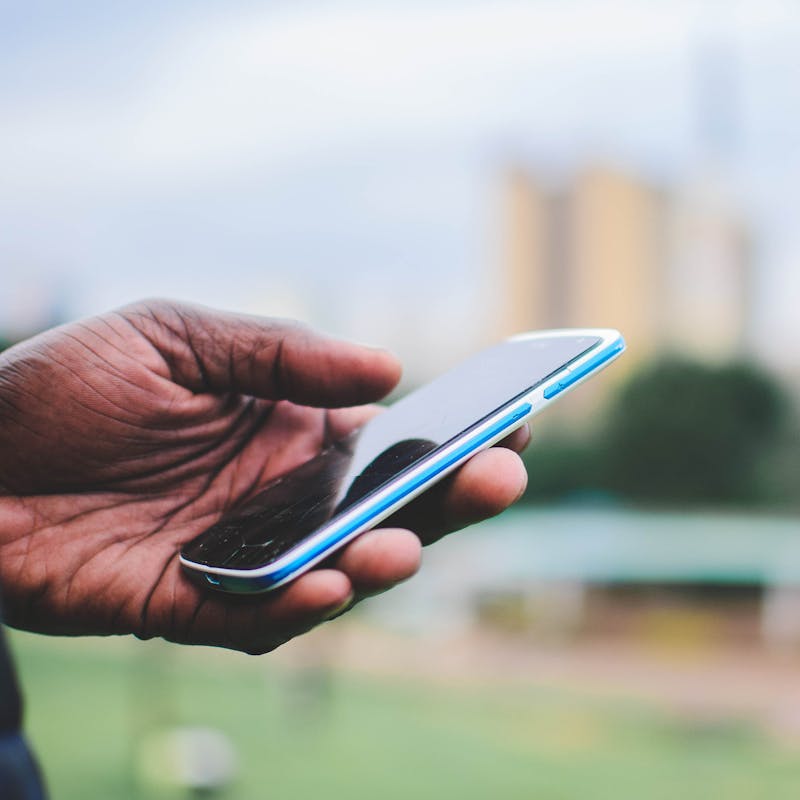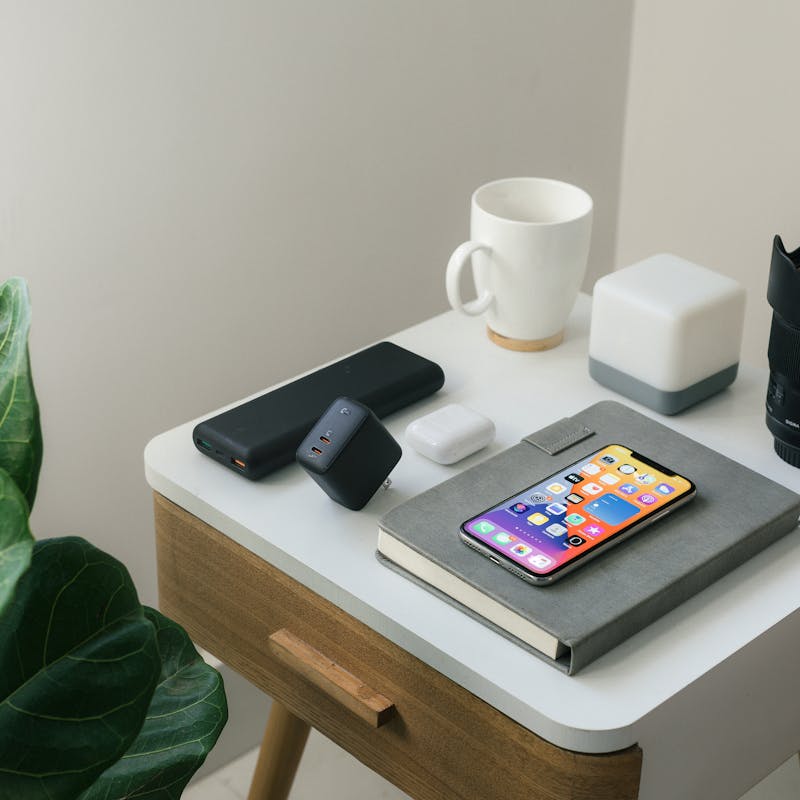
The future rarely arrives with fanfare; it slips in through small conveniences.
A new kind of tool has been quietly taking over daily life: not the dramatic, sci-fi kind, but the subtle kind that feels like “just an app,” “just a setting,” “just a reminder.” These tools don’t demand attention. They borrow it. And over time, they reshape how we work, how we live at home, and how we think about our health—sometimes for the better, sometimes without our noticing the trade.
The tools that disappear into the background
The most influential technologies today are often the least visible. They live in defaults, nudges, and gentle automation. A calendar that suggests meeting times based on past behavior. A camera that corrects lighting before you tap the shutter. A streaming service that picks what plays next so you don’t have to decide.
These tools succeed by reducing friction. They save seconds, then minutes, then whole categories of mental effort. The paradox is that when something becomes frictionless, it also becomes easier to accept without question.
Work: the age of invisible management
In many workplaces, the loudest change isn’t a new office layout or a flashy software rollout. It’s the subtle shift toward systems that measure, predict, and route tasks with minimal discussion.
Messaging platforms blur the line between a quick check-in and an always-on expectation. Project boards translate messy collaboration into neat columns and due dates, which can be clarifying—but also strangely flattening. When every task has a status, it can feel like every moment should have one too.
Then there’s the rise of algorithmic coordination: tools that triage support tickets, rank applicants, suggest sales leads, or draft the first version of an email. These are not just productivity boosters. They become a form of management, quietly shaping priorities. If the system highlights certain work, that work starts to look more important, even when human judgment might disagree.
A small scene plays out everywhere: someone follows the tool’s recommendation because pushing back takes extra energy. Over time, “because the system says so” becomes a kind of workplace gravity.
The new currency: attention and response time
Work used to be organized around hours and outputs. Now it’s increasingly organized around responsiveness. The subtle tools reward fast replies, quick reactions, and visible activity.
Read receipts, typing indicators, and presence dots don’t merely convey information. They create social pressure. Even when a company doesn’t explicitly demand constant availability, the interface can.
This is why some of the most powerful changes are behavioral rather than technical. People start scanning their day for micro-moments to clear notifications. Focus becomes something you schedule, defend, and sometimes feel guilty for needing.
Home: convenience that comes with a personality
At home, subtle tools show up as “smart” features: thermostats that learn your routine, speakers that answer questions, lights that turn on when you enter a room. They are small luxuries that quickly become infrastructure.
But convenience is not neutral. A home that anticipates you also trains you. When the environment adapts to your habits, it can reinforce them—good ones and not-so-good ones alike.
Even the most ordinary domestic choices are being shaped by quiet recommendations. Shopping apps reorder your essentials. Grocery services remember your “usuals.” Entertainment platforms narrow your options to what you’re most likely to click when you’re tired.
The home becomes less a place where you decide and more a place where decisions are pre-made, waiting for your approval.
Domestic life, redesigned around data
Many people now live inside a gentle feedback loop. A doorbell camera reports motion. A robot vacuum maps the floor plan. A sleep app records restlessness. A budget app categorizes every purchase.
None of this is inherently sinister. It can be deeply reassuring, especially for people juggling kids, caregiving, or stressful jobs. Yet it also changes the emotional texture of home.
When the home is measured, it can feel evaluated. The device doesn’t judge you, but the numbers can. A messy week becomes a line on a chart. A restless night becomes a score. The private space starts to resemble a dashboard.
Health: from occasional checkups to constant interpretation
Health may be where subtle tools have the most intimate impact. Wearables and apps turn the body into a stream of signals—heart rate, steps, sleep stages, oxygen levels, stress estimates.
For some, this is empowering. The data can catch patterns that were easy to miss, like how late caffeine affects sleep or how daily walks improve mood. It can motivate people who thrive on tangible goals.
But constant measurement also creates a new problem: interpretation. More data doesn’t automatically mean more clarity. It can produce a low-grade anxiety—an urge to explain every dip and spike, to optimize what used to be lived.
There’s also a subtle shift in authority. When a watch says you slept poorly, you may believe it over your own sense of rest. When an app says your stress is high, you might start searching for a reason. The tool becomes a narrator, and you become the character it describes.
The quiet trade: agency for ease
Across work, home, and health, the same bargain keeps appearing. We hand off small decisions to get back time and mental space. Often it’s worth it.
Yet agency doesn’t disappear all at once. It erodes through tiny surrenders: accepting a default setting, following a recommendation, letting the next autoplayed episode run. You can feel busier even as tools promise efficiency, because the environment keeps offering more prompts to respond to.
The goal isn’t to reject subtle tools. It’s to notice where they’re steering. A few intentional frictions can restore balance: disabling nonessential notifications, setting “office hours” for messaging, choosing manual modes for certain purchases, taking days off from metrics.
Living with tools that shape us
The most profound technologies are the ones we stop seeing. They become the furniture of our days, shaping posture and movement without announcing themselves.
A useful question isn’t whether these tools are good or bad. It’s whether they help you live the way you mean to live. If a tool makes you more present at dinner, more focused at work, or more attuned to your body without turning it into a project, it’s doing real work.
And if it leaves you feeling monitored, hurried, or subtly inadequate, that’s information too—an invitation to reclaim a small choice.
The future may be built from quiet tools, but it’s still lived by humans. The more softly technology speaks, the more carefully it’s worth listening.