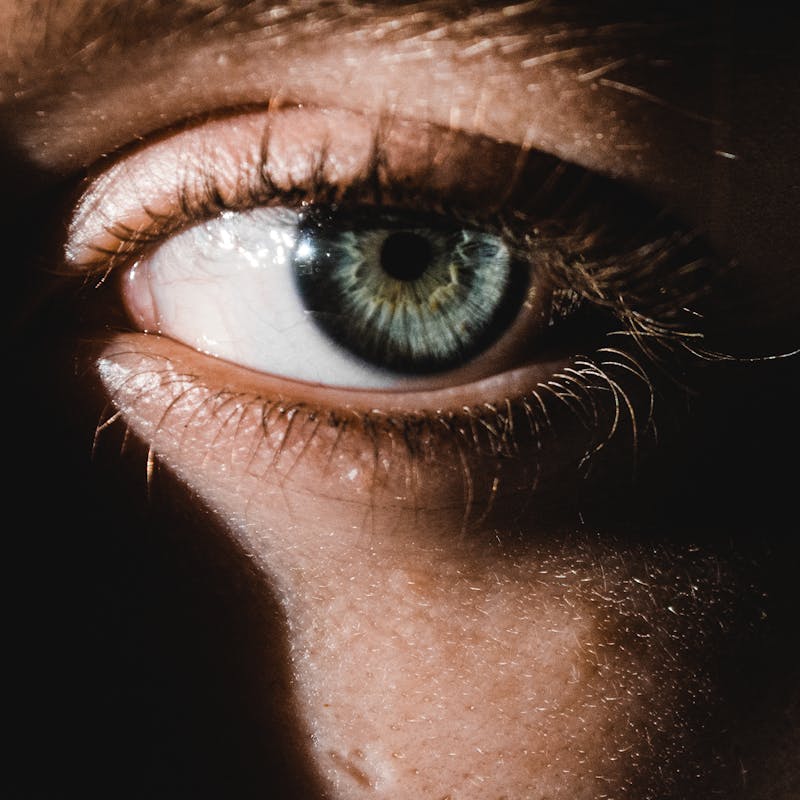
The brain keeps a quiet score, even when you pretend you’re fine.
Most of us can power through a rough night and still show up—coffee in hand, joking that we’ll “catch up later.” That casual confidence is exactly why sleep deprivation myths spread so easily. They offer comforting explanations for why you feel foggy, edgy, or oddly wired, while letting you believe the real cost is small and temporary.
The truth is less dramatic but more useful: sleep loss doesn’t just make you tired. It changes how you think, regulate emotion, and assess risk, often in ways that feel like your “normal.” Understanding what people commonly get wrong helps you spot the subtle warning signs and make smarter choices before the problem turns chronic.
Why sleep deprivation myths are so believable
Sleep deprivation is weirdly self-masking. When you’re short on sleep, the first thing that often drops is the ability to judge your own impairment. You can feel functional while your attention, reaction time, and patience quietly degrade.
Myths also thrive because the culture rewards stamina. If you’ve ever been praised for answering emails late or being “low-maintenance” about rest, you’ve been taught to treat sleep as optional—something you can bargain with.
Myth: “I can train myself to need less sleep”
Some people do naturally need slightly less sleep than others, but you can’t reliably train your biology to thrive on consistently short nights. What usually happens is adaptation, not improvement: you get used to feeling subpar.
The body can temporarily run on stress hormones and momentum, especially during busy seasons. That can feel like resilience. But it often comes with a trade: less stable mood, more cravings, lower frustration tolerance, and an attention span that fractures under pressure.
Myth: “I’ll just catch up on the weekend”
A couple of longer nights can help you feel better, but they don’t always erase the full impact of a sleep-debt lifestyle. If you regularly shave hours off your nights Monday through Friday, the weekend becomes a recovery project rather than rest.
There’s also the “social jet lag” effect: sleeping in late can shift your body clock, making Sunday night harder and Monday morning harsher. You end up in a loop where you’re constantly adjusting rather than stabilizing.
Myth: “If I’m not sleepy, I’m not sleep-deprived”
Sleepiness is only one signal, and it’s not always loud. Many people experience sleep deprivation as irritability, numbness, restlessness, or anxious energy—not yawning.
In some cases you feel oddly alert, especially after multiple short nights. That can be a second wind driven by adrenaline and cortisol, which can mask fatigue while still leaving your decision-making and memory noticeably weaker.
Myth: “Coffee fixes it”
Caffeine can improve alertness and reduce the sensation of fatigue, but it doesn’t restore the brain functions that sleep supports. Think of it as turning up the volume on a weak signal: you may feel more awake, yet still miss details, overreact to small stressors, or struggle to learn new information.
Coffee also has timing consequences. Late-day caffeine can chip away at the next night’s sleep quality, especially deep sleep, even if you fall asleep quickly. Then you wake up less restored, reach for more caffeine, and the cycle tightens.
Myth: “Alcohol helps me sleep better”
Alcohol can make you drowsy, but it often worsens sleep architecture. You might fall asleep faster and still wake up feeling unrested, because the night becomes lighter, more fragmented, and more prone to early waking.
If your version of “insomnia help” leaves you waking at 3 a.m. with a racing mind, alcohol may be part of the story—even if it feels like it’s helping at bedtime.
Myth: “I’m productive at night, so it’s fine”
Some people are genuine night owls, and honoring your chronotype can improve sleep—if you still get enough of it. The problem is when “night productivity” is really a negotiation with modern schedules: late nights plus early mornings.
You might feel creative at 11 p.m., but if you consistently cut the total sleep window short, the costs often show up in daytime emotional control and long-term consistency. Being productive for two hours doesn’t help if it makes the next ten hours harder.
What happens to your mind when sleep gets short?
When sleep is limited, the brain tends to prioritize survival basics over nuance. You can become more reactive, less flexible, and more convinced you’re right. Small annoyances feel personal. Neutral messages read as cold. Problems look either catastrophic or oddly unimportant.
This is one reason sleep deprivation myths persist: the very state that needs correcting can make you less interested in correcting it. When you’re depleted, long-term benefits feel abstract, and quick fixes feel irresistible.
Sleep also underpins memory and learning. If you’re trying to study, build a skill, or even navigate a difficult relationship conversation, consistent sleep is not a luxury add-on—it’s part of the infrastructure.
Is it really a problem if you’re “used to it”?
Yes. If you’re “used to it,” you may be accustomed to the feeling, not protected from the effects. The body is excellent at normalizing strain.
A better question is practical: are you more forgetful, more sensitive, more impulsive, or more dependent on caffeine than you were a year ago? Do you need more downtime to feel okay? Do weekends feel like triage? Those are often clearer indicators than whether you can keep your eyes open.
Replacing myths with a more honest relationship to sleep
Healthy sleep isn’t about perfection; it’s about reliability. A steady schedule, a realistic bedtime, and a wind-down that doesn’t depend on scrolling or alcohol usually do more than any hack.
If your life is in a season where sleep is genuinely constrained—new parenthood, caregiving, shift work—then the goal shifts from “ideal” to “protective.” Short naps, morning light exposure, and lowering evening stimulation can reduce damage even when total hours aren’t negotiable.
The most useful shift is psychological: treating sleep as something you support, not something you defeat. The bravado around running on empty can sound impressive, but it often narrows your world—your patience, your judgment, your ability to enjoy things.
A well-rested life isn’t just longer. It’s clearer. And once you notice that clarity, the myths start to feel less like wisdom and more like stories we tell when we’re too tired to change.