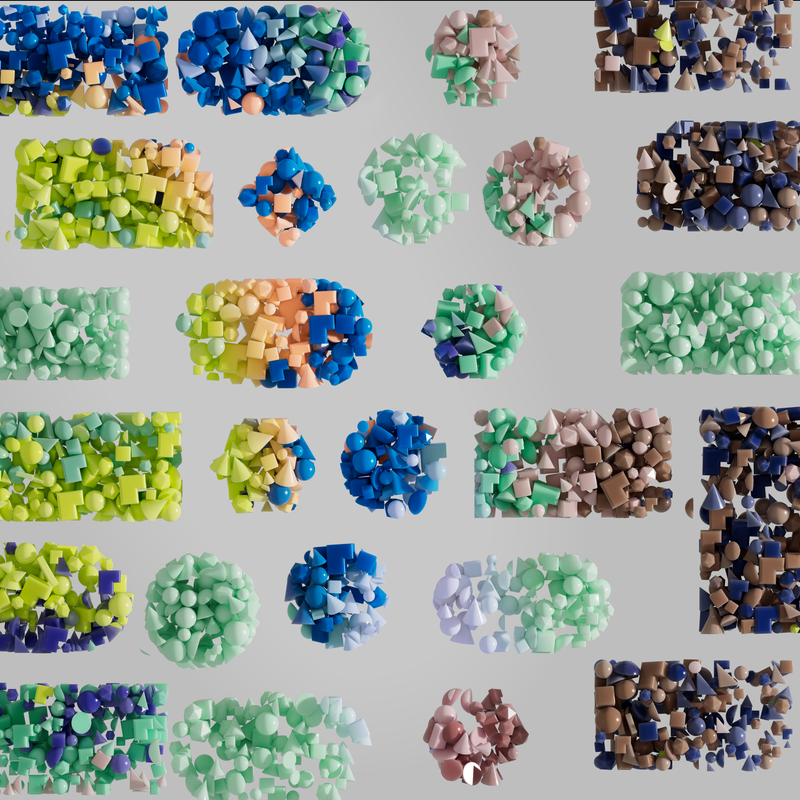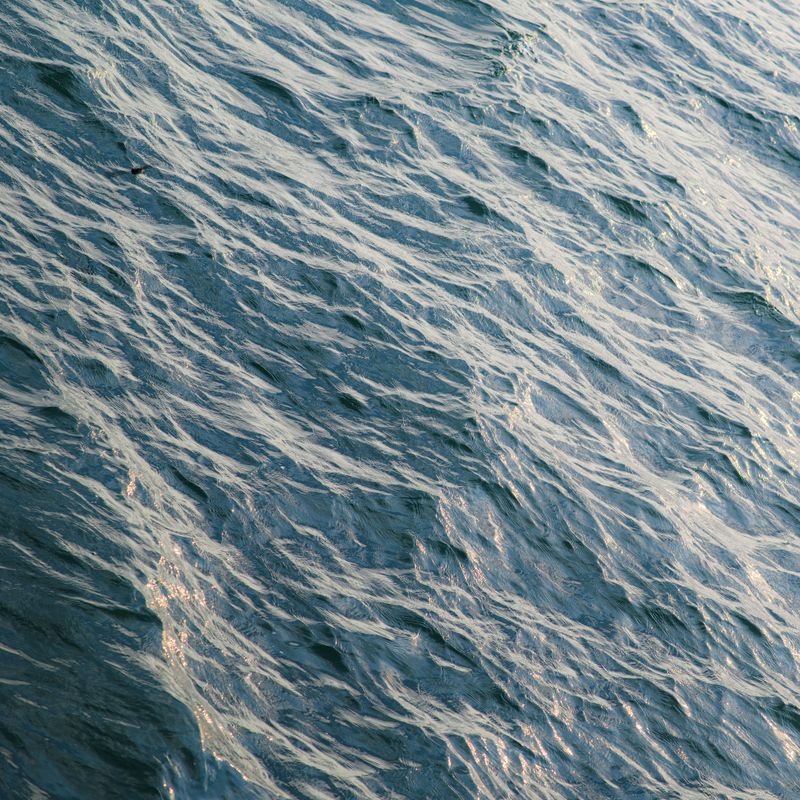
The water looks clear—yet it can carry a hidden “snow” of plastic dust.
Microplastics in drinking water have become a modern environmental concern because they sit at the intersection of everyday life and global pollution. People aren’t just asking whether plastics are in oceans anymore—they’re asking what’s coming out of their own taps and bottles, what it might mean for health, and what (if anything) is worth doing about it. Here are five key facts that explain what scientists know, what remains uncertain, and how to make practical choices without panic.
1) “Microplastics” are a size category, not a single substance
Microplastics are typically defined as plastic particles smaller than 5 millimeters—about the size of a sesame seed or less. That definition matters because it means “microplastics” includes a huge range of materials, shapes, and chemistries, not one uniform contaminant.
Some are fragments that break off larger items (packaging, synthetic fabrics, tire wear). Others are fibers shed from clothing. Some are beads or pellets used in manufacturing. In water, they can be irregular shards, threadlike strands, or near-spherical particles.
The plastic type also varies—polyethylene (think bags and films), polypropylene (food containers), PET (bottles), polystyrene (foam), and more. Different polymers behave differently in water: some float, some sink, some attract certain chemicals, and some weather into increasingly brittle pieces.
A crucial nuance is that researchers often separate “microplastics” from nanoplastics (much smaller particles). Nanoplastics are harder to measure, may move differently in the body, and are a major frontier in current research.
2) Microplastics show up in both tap and bottled water—how much depends on how you measure
Yes, microplastics have been detected in tap water and bottled water in many studies. The harder question is “How much?” because the answer depends on sampling methods, detection limits, and lab techniques. Even tiny differences—like the kind of filter used or how labs prevent airborne fibers from contaminating samples—can change counts.
One of the most widely cited early investigations, led by journalist-oriented research with scientific partners, reported microplastics in a high proportion of bottled water samples and also found them in tap water across multiple regions. Subsequent research has generally supported the core point—microplastics are present—while emphasizing that reported numbers can vary widely.
Recent peer-reviewed work has also been pushing into smaller sizes. A 2024 study published in Proceedings of the National Academy of Sciences used advanced imaging and spectroscopy approaches to identify large numbers of tiny plastic particles in bottled water, with nanoplastics representing a substantial portion of what was detected. That doesn’t automatically mean bottled water is always “worse” than tap, but it underscores an important reality: when you start counting smaller particles, counts can jump dramatically.
What this means for readers: treat any single headline number as less important than the overall trend—plastics are pervasive, and measurement is improving faster than the pollution is disappearing.
3) Where microplastics in drinking water come from is often closer to home than you think
The pathways into drinking water are multiple, and they differ for tap versus bottled.
Tap water: source, treatment, and distribution
Microplastics can enter source waters (rivers, reservoirs, groundwater) through stormwater runoff, wastewater discharges, and atmospheric deposition (yes, fibers and particles can settle from the air). Wastewater treatment plants can remove a significant fraction of microplastics, but not all; the ones that are captured often concentrate in sludge.
Drinking water treatment—coagulation, sedimentation, filtration—can further reduce particles, especially larger ones. But removal efficiency depends on plant design and particle size, and very small particles are more challenging.
Distribution systems may also contribute indirectly: old infrastructure sheds materials, repairs disturb sediments, and local conditions (like construction) can alter what ends up at the tap.
Bottled water: packaging and process
Bottled water adds other potential sources: the bottle itself, the cap, and the bottling line. Mechanical abrasion, heat, and time can encourage shedding. Even opening and closing caps can create friction that releases tiny bits, and bottling processes can introduce particles from filters, hoses, and air.
This doesn’t mean bottled water is “bad” in a simplistic way; it means bottled water is a product with more contact surfaces between source and sip.
4) What do microplastics mean for health? The honest answer is: we’re still mapping the risk
The most responsible way to discuss microplastics in drinking water is to separate three things: exposure, hazard, and risk.
- Exposure: People are exposed to microplastics through food, air, and water. Drinking water is one contributor, but not necessarily the dominant one for every person.
- Hazard: Whether microplastics can cause harm depends on size, shape, chemistry, and what’s attached to them.
- Risk: Risk depends on real-world doses and how the body handles particles over time.
In 2022, the World Health Organization’s updated statements on microplastics in drinking water emphasized that there isn’t yet enough evidence to draw firm conclusions about health impacts from drinking water specifically, while also highlighting the need for better methods and more toxicological research—especially for smaller particles.
What scientists do agree on is that smaller particles are the big question. Very small particles may be more likely to cross biological barriers than larger ones. There is also interest in whether microplastics can act as carriers for other substances (like additives in plastics or environmental pollutants that adhere to surfaces). But “can” is not the same as “does at meaningful levels in the body.”
A practical way to hold this uncertainty: it’s reasonable to minimize exposure where feasible, but it’s not evidence-based to assume a direct, immediate health crisis for every household based on current drinking-water data.
5) You can reduce microplastics exposure from water—focus on the steps that actually move the needle
If you want to cut down microplastics in drinking water, aim for actions with clear mechanisms and low regret.
A quick comparison of common approaches
| Approach | Likely impact on microplastics | Trade-offs | Best fit for |
|---|---|---|---|
| Drink tap water (where safe) | Often moderate; depends on local treatment and pipes | Taste/odor concerns in some areas | Most households with regulated municipal supply |
| Certified home filtration (e.g., reverse osmosis) | Often high for small particles | Cost, water waste (RO), maintenance | People prioritizing maximum reduction |
| Activated carbon pitcher filter | Variable; better for taste/chemicals than tiny particles | Easy to neglect cartridge changes | People wanting convenience and better taste |
| Reduce bottled water use | Indirectly reduces packaging-related shedding | Requires reusable bottle habits | Anyone relying heavily on single-use bottles |
| Store water thoughtfully (cool, out of sun) | May reduce shedding from plastics | Doesn’t address upstream contamination | Bottled-water users, or those storing water long-term |
Because studies vary, it’s hard to promise exact percentages for every filter and particle size. But broadly, reverse osmosis and some multi-stage systems are considered among the more effective options for removing very small particulates, provided they’re properly installed and maintained.
An actionable checklist (simple, realistic)
- Check your local water quality report (often called a Consumer Confidence Report) to understand the baseline and any existing concerns.
- If you filter, choose a system with credible certification (NSF/ANSI standards are commonly used for water treatment claims) and follow replacement schedules.
- Prefer a reusable bottle (stainless steel or glass) when convenient; if you use plastic bottles, avoid heat (hot cars, sunny windowsills).
- Don’t treat “clear” as “clean.” Particle contamination isn’t visible; rely on tested systems and good habits, not appearance.
- If you’re on a private well, test routinely and consider a professional water treatment consult—well water isn’t regulated the same way municipal water is.
What makes “microplastics in drinking water” a different problem than earlier water scares?
It’s different because it’s not a single chemical you can ban, measure once, and move past. Microplastics are a byproduct of how materials age, travel, and fragment. They come from textiles, transportation, packaging, and the simple act of living in a world built from polymers.
That creates a strange emotional texture around the issue. With lead or certain pathogens, the story is: identify the source, replace the pipe, disinfect the system. With microplastics, even perfect plumbing doesn’t eliminate what’s in the air, in soil, in rivers, and in industrial supply chains.
It also forces a more sophisticated public conversation about measurement. When instruments become sensitive enough to see what used to be invisible, the “problem” can appear to explode overnight—even if the underlying reality changed slowly over decades.
The upside is that this kind of science often leads to better engineering: improved filtration, better textile design, reduced shedding materials, and infrastructure changes that prevent pollution at the source.
A quieter takeaway: clarity is a moving target
If you’ve ever filled a glass at night—kitchen lights low, the day finally done—you know water’s comfort is partly psychological. The idea that it contains microscopic plastic can feel like a theft of something basic.
But the most useful response isn’t despair. It’s attention. Microplastics in drinking water are real, their measurement is improving, and the health story is still being written. In the meantime, you can make choices that reduce exposure, push for upstream solutions that reduce plastic waste and shedding, and keep your focus on the big wins: safe, reliable drinking water systems and less plastic entering the environment in the first place.