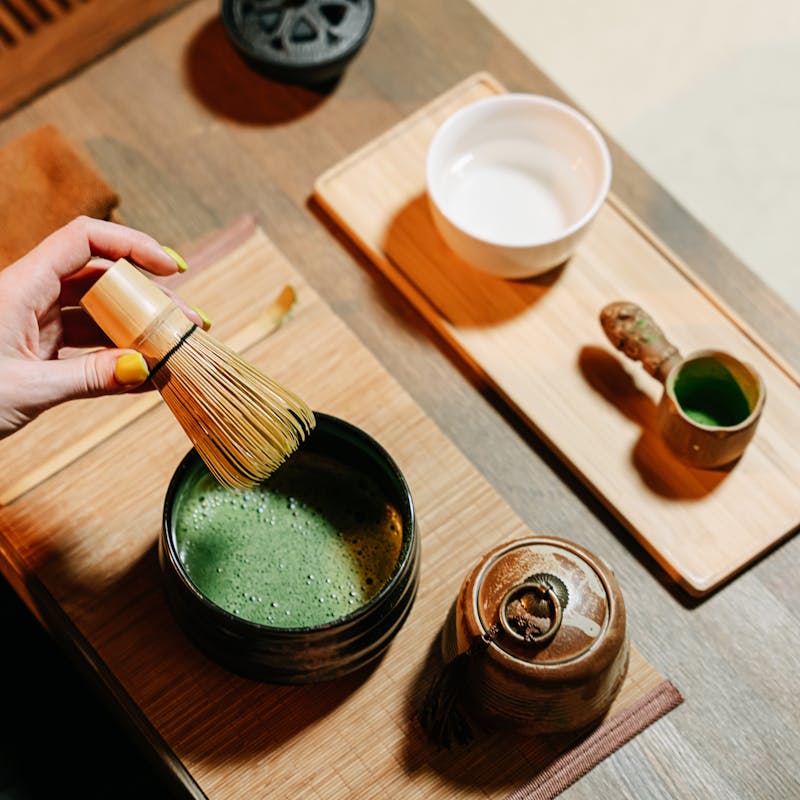
We become ourselves in the small, repeatable moments.
Somewhere between the first sip of coffee and the last light in a bedroom window, a person is being made.
Not in a dramatic, once-in-a-lifetime way, but in a quiet, cumulative way—through actions so familiar we stop noticing them. Daily rituals don’t just fill time. They tell us what matters, what we believe is possible, and who we expect ourselves to be.
The Difference Between a Habit and a Ritual
A habit is often described like a shortcut: an automatic behavior that saves mental energy.
A ritual feels different. It’s not only about efficiency. It carries meaning, even if it’s meaning we’ve never put into words.
Making the bed can be a habit. Making the bed while pausing to open the curtains, letting in air, and thinking, “I’m starting again,” is closer to a ritual.
Rituals are behaviors with a story attached. The story might be ancient, borrowed, accidental, or private. But the story is what makes the act formative.
The Unseen Architecture of a Day
Most days are less like open fields and more like buildings.
There are corridors we walk without thinking: the same news app, the same snack cupboard, the same route through the same parking lot. Even our worries can become a hallway we pace until it feels normal.
Rituals are the structural beams. They determine what rooms exist in our lives.
If your morning begins with ten minutes of quiet before the world reaches you, you’ve built a room for steadiness. If it begins with urgent notifications, you’ve built a room for reaction. Neither is moral. But over time, each shapes the person who lives there.
Identity Forms Where Attention Goes
People tend to think identity is a set of beliefs: what you value, what you stand for, what you want.
But identity is also a set of repeated attentions.
What you consistently notice becomes your reality. What you repeatedly return to becomes your center.
A person who reads a few pages every night—even when tired—may start thinking of themselves as someone who learns, someone who stays curious. A person who checks their phone the moment they wake may begin to feel that life is something that happens to them, delivered in fragments.
It’s not that a single action defines you. It’s that repetition makes a claim.
The Morning as a Soft Negotiation
Mornings carry a strange power because they feel like a beginning, even when they’re not.
You can wake up to the same problems, the same responsibilities, the same unanswered questions. Yet the first hour still offers a negotiation: how will I meet my life today?
Some people negotiate with movement—stretching, walking, running—using the body to remind the mind that it’s not trapped. Others negotiate with silence, trying to hear themselves before they hear everyone else.
And many negotiate with urgency because urgency feels like control. If you’re rushing, you must be important. If you’re behind, the day must be full.
Over months and years, morning rituals quietly decide whether you experience life as chosen or assigned.
Tiny Rehearsals for the Person You Want to Be
Rituals are rehearsals.
They let us practice versions of ourselves without needing grand confidence. You don’t have to become “a healthy person” all at once; you can become someone who drinks water before anything else. You don’t have to become “disciplined”; you can become someone who puts shoes by the door at night.
There’s a humility to this. It suggests we don’t transform by force of will alone. We transform by building small systems that make a certain self easier to inhabit.
Even a ritual as plain as washing dishes can be a rehearsal. Done with resentment, it rehearses a life where care is a burden. Done with a little patience, it rehearses a life where care is simply what you do.
The Rituals We Inherit Without Meaning To
Not all rituals are chosen.
Many are inherited from family, school, workplaces, and culture. They arrive disguised as “just how things are done.”
Maybe you learned that love looks like feeding people. Maybe you learned that rest must be earned. Maybe you learned that weekends are for catching up, not slowing down.
Inherited rituals can be comforting, but they can also quietly limit us. If you grew up in a house where no one sat down until everything was finished, you may find it nearly impossible to relax without guilt. Your body might interpret stillness as risk.
The tricky part is that rituals feel neutral because they’re ordinary. But ordinary doesn’t mean harmless. Ordinary is simply what repeats.
When Rituals Become a Cage
There’s a shadow side to repetition.
A ritual can start as self-care and become self-policing. It can start as structure and become rigidity.
Consider the person who once journaled to understand their feelings, then begins journaling to prove they’re improving. Or the person who started meal prepping to reduce stress, then can’t eat anything unplanned without anxiety.
A ritual becomes a cage when it stops serving life and starts demanding it.
The signal is often emotional. Rituals that nourish tend to leave a trace of steadiness. Rituals that trap tend to leave irritation, fear of disruption, or a sense that you’re failing if you don’t perform them correctly.
The goal isn’t to abandon rituals. It’s to keep them honest.
Social Rituals and the People We Become With Others
Some of the most powerful rituals are social, and we rarely name them.
Who do you text when something good happens? Who do you call when a day goes sideways? Do you eat dinner with someone, in the same spot, at the same time, and talk about the same kinds of things?
These patterns shape identity as much as solitary habits.
A group of friends who meet weekly for a walk are not just exercising. They’re creating a steady reminder that life contains companionship. A couple that always debriefs the day in bed is building a shared narrative: we process together.
On the other hand, a workplace that treats lunch as optional is building a ritual of depletion. A friend group that only bonds through complaining builds a ritual of cynicism, even if everyone is funny and smart.
Our relationships become what we repeatedly do inside them.
The Emotional Weather We Practice
Rituals don’t only create behavior. They create emotional default settings.
If your daily ritual is to begin with outrage—scrolling, reacting, arguing—you practice agitation until it feels like truth. If your daily ritual includes a few minutes of noticing what’s steady—breath, light, a small plan—you practice calm until it becomes more accessible.
This isn’t a claim that calm is always possible or that hard feelings can be overridden with a routine.
It’s a recognition that the nervous system learns from repetition. The body remembers what it rehearses.
Over time, your rituals teach you what to expect from your own mind.
Meaning Isn’t Found; It’s Built into the Ordinary
People often chase meaning as if it’s hidden somewhere else.
But meaning is frequently built through small, consistent acts that say, “This matters enough to repeat.”
Cooking a simple meal most nights is a way of saying you deserve to be fed. Making time to step outside is a way of saying the world is larger than your stress. Tidying a room before bed is a way of saying tomorrow is worth preparing for.
Rituals are not about perfection. They’re about signaling.
And the person you become is shaped by the signals you send yourself again and again.
The Gentle Power of Changing One Small Thing
Major life changes often arrive with fanfare. Daily change rarely does.
It looks like leaving your phone in another room while you eat. It looks like writing down three sentences instead of promising yourself a whole chapter. It looks like pausing before replying to a message that irritates you.
Small changes feel almost insultingly minor, which is why they work. They avoid the brain’s defensive response to grand reinvention.
And they create evidence.
When you do a small thing repeatedly, you start to trust yourself in a new way. That trust is not motivational. It’s experiential. It’s built from proof.
A Closing Scene Worth Returning To
At the end of a day, it’s easy to measure life by what’s unfinished.
The unanswered email. The laundry still in the dryer. The goal you didn’t touch. The conversation you avoided.
But daily rituals offer another measurement, quieter and more durable: what did you return to?
Did you return to kindness, even briefly? Did you return to movement, to patience, to a few minutes of attention? Did you return to a practice that makes you feel like yourself?
In the long run, who we become is less about the big declarations we make and more about the small promises we keep without applause.
The day will keep arriving, ordinary as ever. The question is what you’ll do with that ordinariness—and what it will slowly, faithfully make of you.