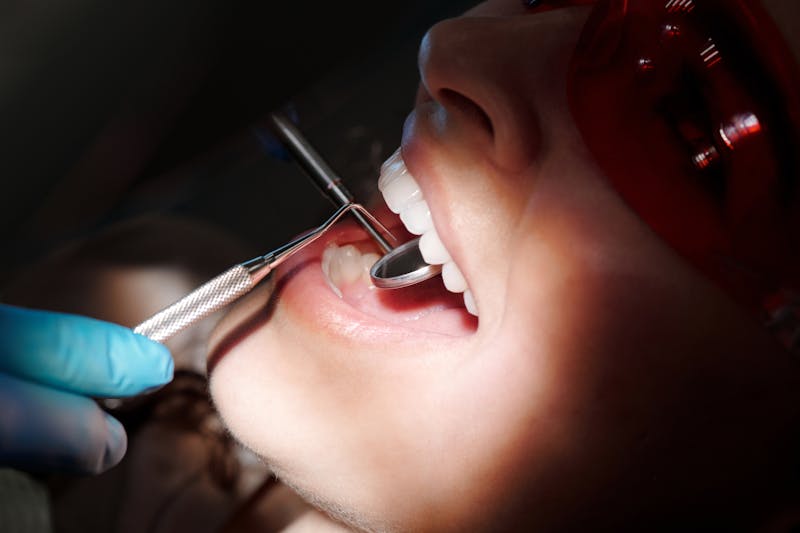
You brush religiously — so why is your dentist still frowning?
We’ve all heard it: brush twice a day and you’ll keep the cavities away. But for many, that advice hasn’t held up. You do everything “right,” yet the drill still comes out at your dental visits. What gives?
The truth is, brushing — even twice a day — is not enough to fully prevent cavities. It’s just one piece of the puzzle. If you're skipping these four critical habits, your teeth may still be vulnerable no matter how faithful you are with your toothbrush.
1. You're Not Flossing (Or Not Flossing Properly)
Let’s get the big one out of the way: brushing only cleans about 60% of your tooth surfaces. The other 40% — between the teeth and just under the gumline — remains untouched without flossing.
Bacteria love hiding in those tight spaces. And because food particles and plaque build up there daily, skipping floss allows cavities to form in places your toothbrush can’t reach. Even if you floss “sometimes,” inconsistency still gives bacteria the upper hand.
Tip: Floss at least once a day. Use string floss or try water flossers if you struggle with technique.
2. You Snack (and Sip) Too Often
It’s not just what you eat — it’s how often. Every time you consume sugary or acidic foods (yes, even that “healthy” fruit smoothie), you create an acid attack on your enamel that lasts about 20–30 minutes.
If you're constantly snacking or sipping, your mouth never gets a break to neutralize the acid. That frequent exposure weakens enamel and gives cavity-causing bacteria the perfect environment to thrive.
Tip: Stick to set mealtimes and avoid grazing. Drink water between meals to help neutralize acids.
3. You Breathe Through Your Mouth
This one surprises people: mouth breathing dries out saliva, and saliva is your body’s natural defense against cavities. It washes away food, neutralizes acids, and supplies minerals to help repair early enamel damage.
Whether it’s due to allergies, snoring, or habit, breathing through your mouth — especially at night — reduces saliva flow and increases your risk of cavities.
Tip: If you wake up with a dry mouth, talk to your dentist or doctor. You may benefit from nasal sprays, mouth tape, or addressing underlying causes like sleep apnea.
4. You're Brushing at the Wrong Time
Brushing right after a meal — especially if it involved something acidic like citrus, soda, or coffee — can actually damage your enamel further. That’s because acids temporarily soften enamel, and brushing during that window can wear it down.
Tip: Wait at least 30 minutes after eating or drinking acidic beverages before brushing. In the meantime, rinse with water or chew sugar-free gum to stimulate saliva.
Bonus: Are You Using the Right Toothpaste?
Many people use whitening or “natural” toothpaste that lacks fluoride, a mineral crucial for preventing decay. Fluoride helps remineralize enamel and makes it more resistant to acid attacks.
Tip: Check your toothpaste label — make sure it contains fluoride unless advised otherwise by a dental professional.
Final Thought: Oral Health Is a Team Sport
Good dental hygiene isn’t just about the brush — it’s about your whole routine. Brushing is important, but flossing, eating habits, hydration, breathing, and timing all play a role.
If you’re brushing twice a day and still getting cavities, your mouth may be telling you that something else needs attention. It’s not failure — it’s feedback.
With a few smart changes, you can take control of your oral health — and maybe even look forward to your next dental checkup.