Dating in 2026 feels less like a rom-com and more like a set of personal boundaries written in permanent ink.
Gen Z dating trends are often talked about like a mystery—why are people swiping less, labeling differently, and treating “talking stages” like real relationships? The clearer answer is that Gen Z isn’t trying to be confusing; they’re adapting to a world where mental health language is mainstream, housing is expensive, and social life is split between group chats and real rooms. The shifts showing up now aren’t just about apps. They’re about values: safety, time, honesty, and the right to opt out.
If you’re trying to understand what’s changing in 2026—whether you’re dating yourself, writing about culture, or just watching younger friends renegotiate the rules—these are five shifts that stand out, and the deeper forces underneath them.
1) Soft-launching relationships—and keeping them semi-private
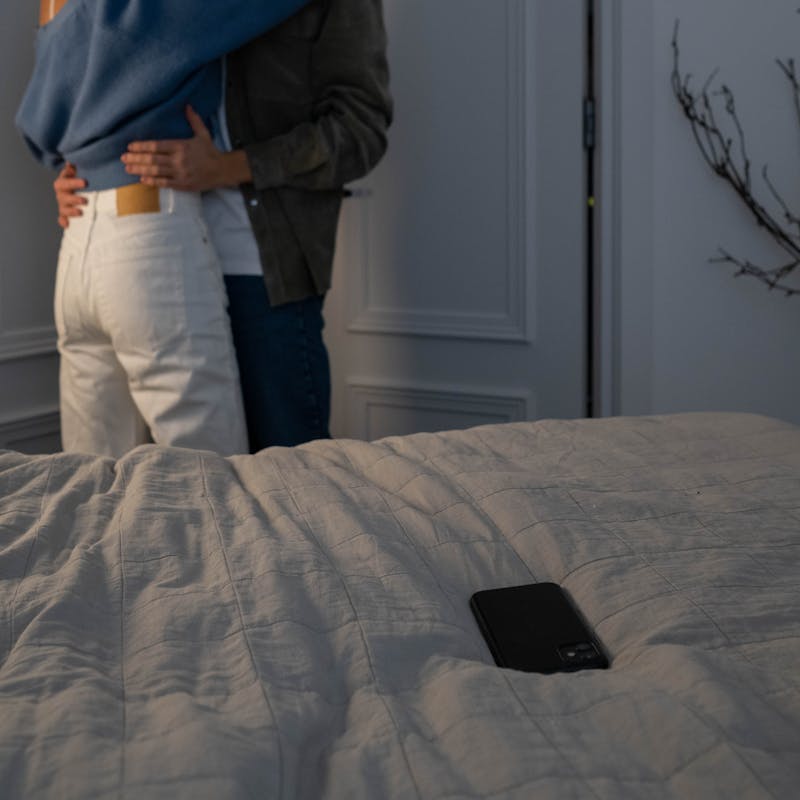
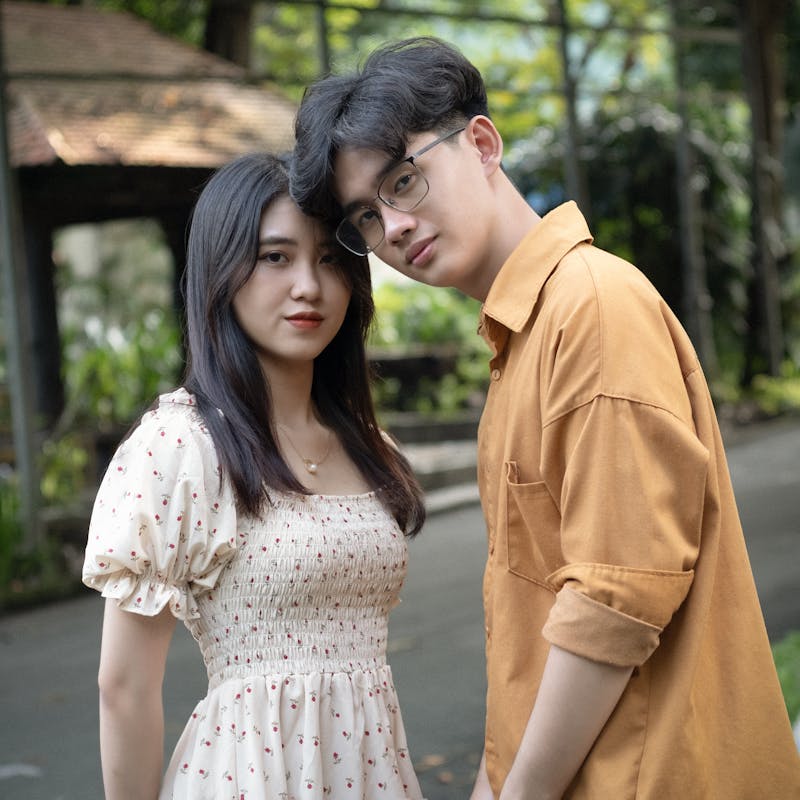
The most visible change is also the quietest: many couples are less performative online. Instead of the hard launch (a full-face couple photo, anniversary post, matching captions), you’ll see soft launches—an arm in a photo, a tagged restaurant, a shared playlist, a blurred background cameo.
This isn’t just aesthetics. It’s risk management. Social platforms make relationships feel public before they feel stable, and public relationships tend to collect opinions.
In 2023, the Pew Research Center reported that a majority of U.S. teens use YouTube, TikTok, Instagram, and Snapchat, and many say social media has a mostly positive effect—yet sizeable shares also report negative experiences like drama and pressure. That mix creates a logic Gen Z understands instinctively: share enough to feel connected, but not so much that your relationship becomes content.
Semi-privacy also helps with something older daters may underestimate: breakups can become searchable. When a relationship is a public narrative, ending it isn’t just emotional—it’s a cleanup operation.
What “semi-private” looks like in practice
It’s not hiding. It’s pacing.
- Posting without names or labels until there’s real clarity
- Keeping relationship talk in group chats, not comment sections
- Using Close Friends lists rather than public feeds
- Avoiding “couple brand” behavior (matching bios, forced photo dumps)
The romantic ideal here is less “look at us” and more “protect what we’re building.”
2) If it’s not intentional, it’s not happening
One of the most surprising Gen Z dating trends in 2026 is how often people ask for explicit alignment early: what are you looking for, how much time do you have, what does commitment mean to you right now?
This can read as clinical. But it’s actually a response to burnout. After years of endless swiping and low-quality conversations, many daters are treating time like a scarce resource. Intentionality is the filter.
The data supports the why: the American Psychological Association has repeatedly highlighted how chronic stress is shaped by broader conditions—money, work uncertainty, social pressures. When daily life already feels heavy, dating that drifts without definition can feel like another unpaid internship.
Intentional dating doesn’t always mean “serious.” It means “honest.” A person can want casual dating and still be intentional if they’re clear, consistent, and kind.
A short checklist for intentional dating (without sounding like a contract)
- Say what you want in plain language (“I’m open to a relationship, but not rushing.”)
- Match your pace to your availability (don’t promise daily texts if you hate daily texting)
- Ask one clarifying question early (“What does a good month of dating look like to you?”)
- Set one boundary that protects your peace (late-night calls, last-minute plans, etc.)
- Watch behavior, not vibe: do actions match stated intentions?
Intentionality is also a workaround for the modern “almost relationship”—not by demanding certainty, but by refusing ambiguity as a default.
3) “Talking” is getting replaced by micro-commitments
For years, the talking stage was a cultural meme: endless messaging, zero definition, emotional intimacy without responsibility. In 2026, a noticeable shift is toward micro-commitments—small, concrete agreements that make the connection real without forcing a label.
Micro-commitments sound simple, but they change everything. They reduce anxiety and clarify expectations without turning dating into a negotiation.
Examples that come up often:
- “Let’s be exclusive for a month and see how it feels.”
- “No dating apps while we’re exploring this.”
- “We’ll do one planned date per week; texting doesn’t have to be constant.”
- “If we’re upset, we don’t disappear—we name it.”
Why now? Because Gen Z has watched older systems fail: messy breakups, situationships that drag for a year, and public relationship chaos. Micro-commitments are a middle path between “we’re nothing” and “we’re forever.”
They also align with how Gen Z organizes other parts of life: flexible work, short-term leases, subscriptions, modular identities. Commitment becomes something you build in increments.
4) Sober-curious dating and the decline of the “drink as default” first date
A genuinely cultural shift: more first dates are happening without alcohol, and more people are naming that preference confidently.
This isn’t moralizing; it’s practical. Drinking can blur consent, inflate chemistry, and make it harder to read whether you actually like someone. A growing sober-curious attitude reframes the question from “Do you drink?” to “Do you need drinking to connect?”
National surveys back up the direction of travel. The Monitoring the Future study (run by researchers at the University of Michigan) has documented long-term declines in alcohol use among adolescents over past decades, and broader reporting has noted that younger adults often drink less than previous cohorts did at the same age. Even when people do drink, it’s less likely to be the assumed centerpiece of social life.
A second factor is safety. A daytime coffee date, a walk, a bookstore browse, or a casual meal can feel more controllable than a dim bar with loud music and expectations.
A quick comparison: common first-date formats in 2026
| First-date format | Why it’s gaining ground | Potential drawback |
|---|---|---|
| Coffee or tea | Low pressure, easy exit, sober-friendly | Can feel interview-ish |
| Walk + snack | Movement reduces awkwardness, public setting | Weather-dependent |
| Activity date (museum, thrift, mini golf) | Shared focus, natural conversation | Costs more, scheduling |
| Dinner | Traditional, longer time together | Harder to leave early |
| Drinks | Looser vibe, familiar script | Can blur judgment and consent |
The takeaway isn’t “never drink.” It’s that the default is shifting toward clarity, comfort, and safety—especially early on.
What makes Gen Z dating trends different from millennial dating?
They’re different because Gen Z treats emotional clarity and personal autonomy as baseline requirements, not bonus features.
Millennial dating culture was shaped by early app growth and a lingering expectation that you could “play it cool.” Gen Z grew up with the consequences of that coolness: ghosting as a norm, screenshots as receipts, and mental health terms entering everyday speech.
That changes the dating vocabulary. Words like “boundary,” “trigger,” “attachment,” and “avoidant” show up in casual conversations—not always perfectly, but often with real intent.
It also changes tolerance for ambiguity. Many Gen Z daters won’t accept confusion as romance. If a connection creates constant anxiety, they’re more willing to call it a mismatch rather than a challenge to overcome.
That doesn’t mean dating is easier. It means the standards are different. And in 2026, those standards are showing up in how people define respect.
5) Community-first dating: friends, third places, and “proof of personhood”
Here’s the shift that surprises people who only track dating through apps: a lot of young adults are dating through community adjacency—friends-of-friends, group events, hobby spaces, volunteering, creative scenes, and small local gatherings.
It’s not a full return to “meet-cute” culture. It’s something more specific: proof of personhood.
After years of catfishing fears, safety concerns, and the exhaustion of strangers, a shared community acts like a soft background check. You can see how someone treats other people. You can observe them over time. You can ask a friend, quietly, “What’s their deal?”
This is part of a broader social hunger for “third places”—settings that aren’t home or work where people can be around others without a big spend. Even as many communities struggle to maintain those spaces, the desire for them is real. When they exist, they shape romance.
Community-first dating is also a response to the loneliness paradox: you can be in a hundred group chats and still feel isolated. Dating becomes less about finding “the one” in a sea of profiles and more about building a life where meeting someone is a side effect of being engaged.
What community-first dating looks like
- Going to the same run club, art night, or open mic for a month before asking anyone out
- Meeting a date through mutual friends where the first hang is a group setting
- Choosing low-stakes environments that reduce pressure and increase safety
- Valuing “how they are in a room” over how they curate a profile
In practical terms, it’s slower—and often better.
How to date well in 2026 without losing your mind
The best way to navigate Gen Z dating trends isn’t to imitate slang or force a new persona. It’s to learn the underlying logic: protect your attention, be honest earlier, and choose environments that make you feel like yourself.
A simple approach that works across personalities:
- Choose one lane for meeting people for 30 days (apps, community, introductions). Too many channels creates noise.
- Make first dates short by design. Ninety minutes is plenty to decide if a second is worth it.
- Name your communication style. Not everyone texts the same way, and conflict often starts there.
- Use micro-commitments if the connection grows. Small agreements beat big vague promises.
- Notice how your body feels after contact. Calmer is usually healthier than constant adrenaline.
If you’re dating someone who’s Gen Z (or you are Gen Z), the fastest way to show respect is to treat boundaries as real, not negotiable. The second fastest is to be consistent.
A quieter romantic ideal is taking over
Underneath the headlines, the emotional center of dating is shifting. In 2026, the “win” isn’t just getting into a relationship—it’s building one that doesn’t require you to shrink.
That’s why the most defining Gen Z dating trends are less about novelty and more about designing a relationship that can survive real life: stress, work schedules, mental health, family complexity, and the ever-present glow of a phone screen.
Maybe that sounds unromantic. Or maybe it’s the grown-up version of romance: choosing someone in a way that still leaves you with your dignity, your friendships, and your future intact. And if that’s the direction dating is going, the surprise isn’t that it’s changing—it’s that it took this long.