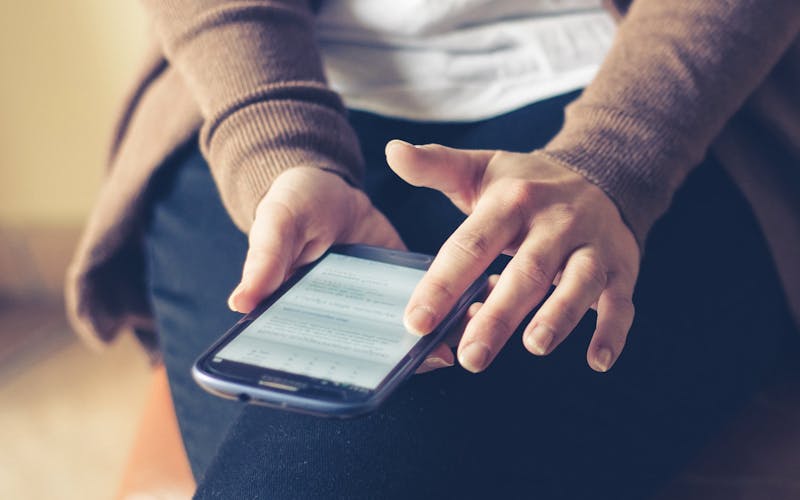
Endless scrolling is no accident—your phone is designed to hook you.
In today’s hyper-connected world, checking your phone first thing in the morning and last thing before bed has become second nature. But what starts as a habit can easily spiral into an addiction. Mobile phone addiction, or “nomophobia” (the fear of being without a mobile phone), is a growing concern affecting people of all ages. It’s more than just an inconvenience—it’s a modern-day dependency that can impact mental health, relationships, and productivity.
The Psychology Behind the Obsession
Mobile phones are built to be addictive. App designers use psychological tricks like variable rewards—think of the unpredictable nature of social media likes or messages—to keep users engaged. Each notification triggers a dopamine response in the brain, similar to gambling or drug use. The “pull-to-refresh” feature mimics a slot machine lever, keeping us in a loop of anticipation and reward.
Moreover, smartphones satisfy a range of psychological needs. They offer instant access to social interaction, entertainment, and information—all from the palm of your hand. This convenience turns the phone into a safety blanket, especially during awkward or idle moments.
Warning Signs of Phone Addiction
It can be difficult to recognize addiction when the behavior feels normal or even necessary. However, there are telltale signs: - Feeling anxious or irritable when separated from your phone - Spending more time on your phone than intended - Neglecting responsibilities or relationships due to screen time - Frequently checking your phone even without notifications - Trouble focusing without digital stimulation
These symptoms often go unnoticed until they start interfering with daily life. According to studies, excessive phone use has been linked to sleep problems, increased stress levels, and symptoms of depression.
The Impact on Mental and Physical Health
Phone addiction doesn’t just mess with your mind—it takes a toll on your body, too. Blue light exposure before bedtime disrupts melatonin production, making it harder to fall asleep. Constant neck bending leads to “text neck,” and extended screen time contributes to eye strain and headaches.
Mentally, the constant need to check your phone can heighten anxiety and reduce attention span. It can also contribute to FOMO (fear of missing out) and diminish self-esteem, especially when comparing your life to curated social media feeds.
Social Disconnect in a Connected World
Ironically, while phones connect us to people far away, they often distance us from those nearby. It’s not uncommon to see groups of friends or families seated together, each engrossed in their own screens. The presence of a phone, even when not in use, has been shown to reduce the quality of face-to-face conversations and empathy levels.
Relationships can suffer when phone use replaces meaningful interaction. Partners may feel ignored or undervalued when one person is always “just checking something real quick.”
Strategies to Break the Cycle
Reducing phone dependency doesn't mean going cold turkey. Small, intentional changes can help: - Set boundaries: Designate phone-free zones (like the bedroom or dinner table). - Monitor usage: Use apps like Screen Time or Digital Wellbeing to track habits. - Turn off non-essential notifications: Reduce distractions and dopamine triggers. - Replace idle moments: Carry a book or start a new hobby to fill time you’d normally spend scrolling. - Practice digital detoxes: Schedule regular breaks from your phone, even if just for a few hours.
Mindful usage is key. Ask yourself: Am I using my phone as a tool or as a crutch?
Rethinking Our Relationship with Technology
Phone addiction isn’t just a personal issue—it’s a societal one. As technology evolves, so should our digital habits. Parents, educators, and tech companies all play a role in promoting healthier use. By acknowledging the problem and making conscious choices, we can reclaim control and create a more balanced digital life.
We may never completely sever our bond with smartphones—and perhaps we don’t need to. But we can break the cycle of unconscious use, making room for deeper connection, creativity, and presence in the real world.