The ocean doesn’t forget what we throw away—it just hides it in motion.
Ocean plastic pollution is the slow-moving environmental story that shows up everywhere: in a beach combed after a storm, in a seabird’s stomach, in a fishing town’s shrinking catch. People want the same thing when they search for it: a clear explanation of what’s actually happening, what matters most, and what actions genuinely reduce harm. The frustrating truth is that some popular “solutions” barely touch the problem, while a few less glamorous interventions can make a measurable difference.
The plastic problem we can’t see clearly
If you’ve ever looked at a photo of a garbage patch and assumed the issue is a floating island of bottles, you’re not alone. But the reality of ocean plastic pollution is more scattered—and more complicated—than a single dramatic image.
Most plastic doesn’t sit neatly on the surface. It breaks apart. Sunlight and waves turn larger items into fragments, and over time those fragments can become microplastics—tiny pieces that move through currents, sink, resurface, lodge in sediment, and enter food webs.
A widely cited 2015 study by Jenna Jambeck and colleagues in Science estimated that millions of metric tons of plastic waste entered the ocean annually from mismanaged waste on land. The headline number mattered because it shifted attention upstream: the ocean is downstream of our waste systems.
It also explains why ocean cleanups, while emotionally satisfying, can’t be the only answer. If the flow continues, removing a small share from the surface is like bailing a boat without fixing the leak.
What makes ocean plastic pollution so hard to solve?
It’s hard because it’s not one problem; it’s several, layered together. In practice, solutions fail when they treat it as a single mess.
First, plastic is useful. It’s cheap, light, durable, and hygienic. Those same qualities make it persist for decades and travel long distances.
Second, plastic comes from many sources: packaging, consumer goods, industrial pellets, textiles, fishing gear, and more. Their pathways differ. A bottle may start as litter, become stormwater runoff, then wash through a river system. Fishing gear can be lost at sea and keep “ghost fishing” long after.
Third, the incentives are misaligned. Municipalities pay for waste collection, companies profit from selling products in plastic, and the environmental costs are shared by everyone—including communities far from where the waste was produced.
Finally, it’s hard to measure. Counts vary by season, storm events, sampling methods, and geography. A beach cleanup tally can rise even when overall leakage falls, simply because currents deposit debris differently that month.
Where it comes from: the biggest pathways (and why rivers matter)
If you want to understand what actually helps, it’s worth picturing the journey. Much of the plastic reaching the ocean begins on land, and it doesn’t teleport there.
Mismanaged waste and open dumping
In places where waste collection is inconsistent or disposal sites are poorly contained, plastic is more likely to escape into waterways. Windblown packaging, overflowing bins, and unlined dumps near rivers are not abstract concerns; they are direct leakage points.
Stormwater and combined sewer overflow
Even in wealthier cities with regular trash pickup, heavy rain can wash street litter into storm drains. In some older systems, stormwater and sewage share pipes; when storms overwhelm capacity, overflow events can discharge debris into rivers.
Industrial losses: pellets and flakes
Plastic “nurdles” (pre-production pellets) can spill during manufacturing and transport. Because they’re small and buoyant, they spread easily and are hard to recover.
Fishing gear and maritime sources
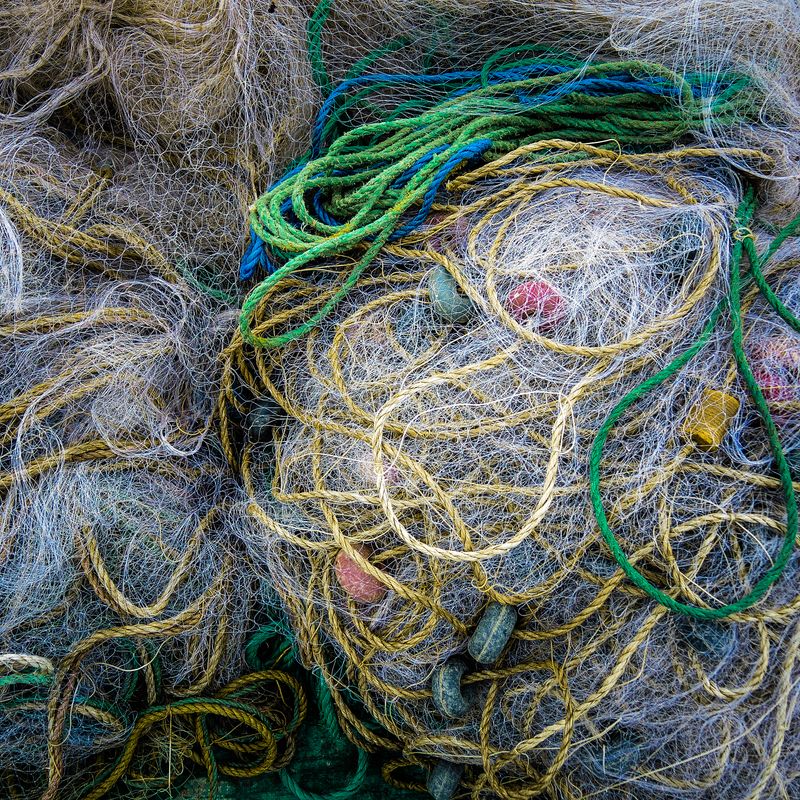
Lost and abandoned gear—nets, lines, traps—accounts for a significant share of large plastic items found in some regions. It’s especially harmful because it’s designed to catch and resist breaking.
Rivers matter because they concentrate all these pathways into a moving conveyor belt. Intercepting waste in rivers and drains is often cheaper and more effective than trying to capture it in the open ocean.
What actually helps? High-impact interventions, ranked by leverage
There isn’t one silver bullet, but some strategies consistently outperform others. The common thread is leverage: actions that prevent new plastic from entering waterways usually beat actions that chase it after the fact.
1) Preventing leakage through better waste collection and containment
The least flashy solution is often the most powerful: reliable waste collection, controlled landfills, and covered transport. That includes basics like closing open dumps, preventing windblown litter, and ensuring communities have access to regular pickup.
These measures don’t make headlines, but they attack the problem at its source. They also bring co-benefits: fewer disease vectors, cleaner neighborhoods, and reduced flooding from clogged drainage.
2) Producer responsibility and packaging redesign
Extended Producer Responsibility (EPR) policies shift part of the financial and operational burden of packaging waste from taxpayers to producers. The point isn’t to punish—it’s to change design incentives.
When companies pay more for hard-to-recycle, multi-layer materials, they have a reason to simplify packaging, reduce material, and fund collection systems. In places where deposit return systems exist for beverage containers, return rates can be dramatically higher than curbside-only approaches, because the economics reward return.
3) Targeted bans and fees that change behavior
Some single-use items are both common and easily replaced. Fees or bans on plastic bags and certain foam containers can reduce litter quickly, especially when paired with enforcement and affordable alternatives.
But bans work best when they’re specific and practical. A sweeping ban without substitutes can backfire by pushing people toward thicker plastics or black markets.
4) River and storm-drain interception—before plastic disperses
Trash capture devices in storm drains, river booms, and interception systems at key chokepoints can prevent debris from reaching the sea. This is one of the rare “cleanup” strategies that can scale sensibly because it happens upstream.
It still requires maintenance and safe disposal—capturing trash is only half the job—but the logistics are simpler than open-ocean retrieval.
5) Fishing-gear solutions that match the real world
Reducing gear loss can involve:
- gear marking (so lost gear is traceable)
- deposit schemes or buy-back programs
- port reception facilities so damaged gear is easy to dispose of
- better reporting and retrieval incentives
Because gear is expensive, programs that help fishers recover value or avoid penalties tend to get traction.
What tends to help less than people think
Some actions are not useless, but they’re often oversold:
- Open-ocean surface cleanups: technically impressive, but limited in scope and cannot keep up with continued inflow.
- “Biodegradable” plastics: many require industrial composting conditions; in marine environments they may persist or fragment.
- Recycling as the whole answer: recycling matters, but global recycling rates remain limited for many plastic types, and contaminated packaging is hard to process.
A practical reality check: comparing solution types
The most helpful framing is “stop the leak, then mop the floor.” Here’s how common approaches stack up in typical conditions.
| Approach | Best use case | Strength | Main limitation |
|---|---|---|---|
| Waste collection + controlled disposal | High-leakage regions; fast-growing cities | Prevents large volumes from entering waterways | Requires sustained funding and governance |
| EPR + deposit return | Packaging-heavy consumer markets | Shifts incentives; boosts collection rates | Policy design and enforcement complexity |
| Targeted bans/fees | Specific litter-prone items | Quick behavior change | Needs alternatives and compliance |
| River/storm-drain capture | River mouths, canals, urban drains | Intercepts before dispersal | Maintenance burden; doesn’t reduce production |
| Open-ocean cleanup | Limited hotspots | Symbolic value; removes some debris | Small share removed vs ongoing inflow |
The microplastics layer: what we know, what’s still debated
Microplastics have turned ocean plastic pollution into a health and chemistry story, not just a litter story. Tiny particles come from fragmentation of larger plastic, synthetic textile shedding, tire wear, and industrial sources.
In 2024, researchers reported in The New England Journal of Medicine that microplastics were detected in human arterial plaque samples, and the study discussed an association with cardiovascular outcomes. It’s not the final word—associations don’t prove causation—but it signals why the debate has shifted: microplastics aren’t just an aesthetic problem.
Still, the ocean is only one part of the exposure picture. Much microplastic pollution moves through air, soil, and freshwater too. That matters because it changes what “help” looks like. Addressing microplastics often means:
- filtering fibers and particles in wastewater systems
- improving textile design and washing-machine filtration
- reducing tire-wear emissions through road design and driving patterns
- preventing pellet loss at industrial sites
Not all of these are quick wins, but they’re closer to the true sources than asking individuals to “avoid microplastics” through shopping alone.
What you can do that isn’t performative
Individual actions won’t replace system change, but they can be more than symbolic when they align with high-leverage points—especially locally.
Here’s a short checklist that tends to have real signal rather than noise:
- Choose reuse where it’s genuinely reusable (a bottle you actually refill; a container you actually keep).
- Support deposit return and packaging accountability policies where you live; vote accordingly and show up at local hearings.
- If you run a business or manage purchasing, reduce packaging at the procurement level—bulk ordering and simpler materials beat “eco” labels.
- Participate in cleanups that track data (item types and counts). Those numbers often feed local policy decisions.
- Ask your city about storm-drain capture, street sweeping frequency, and litter enforcement near waterways—unsexy levers, big payoff.
- If you fish or boat, use gear-marking, retrieve damaged gear, and use port disposal options when available.
The key is to aim your effort at the “pipes” that move plastic—waste systems, packaging choices, and waterways—not just the end destination.
The future isn’t a miracle material—it’s better systems
It’s tempting to hope for a breakthrough polymer that dissolves harmlessly in seawater, or a fleet of machines that skims the ocean clean. Those ideas may contribute at the margins, but the durable fix is more ordinary: modern waste infrastructure, smarter packaging markets, and rules that make leakage expensive.
Ocean plastic pollution is, in a strange way, an accountability problem. Plastic is the receipt we can’t crumple up: it records what we bought, what we valued, and what we didn’t bother to manage. If we want the ocean to look different in twenty years, we don’t need perfect people—we need systems that assume imperfection and still keep waste out of water.
And that may be the most hopeful part: unlike many environmental crises, a large share of this one is immediately preventable. The tide keeps moving, but so can the decisions that shape what it carries.