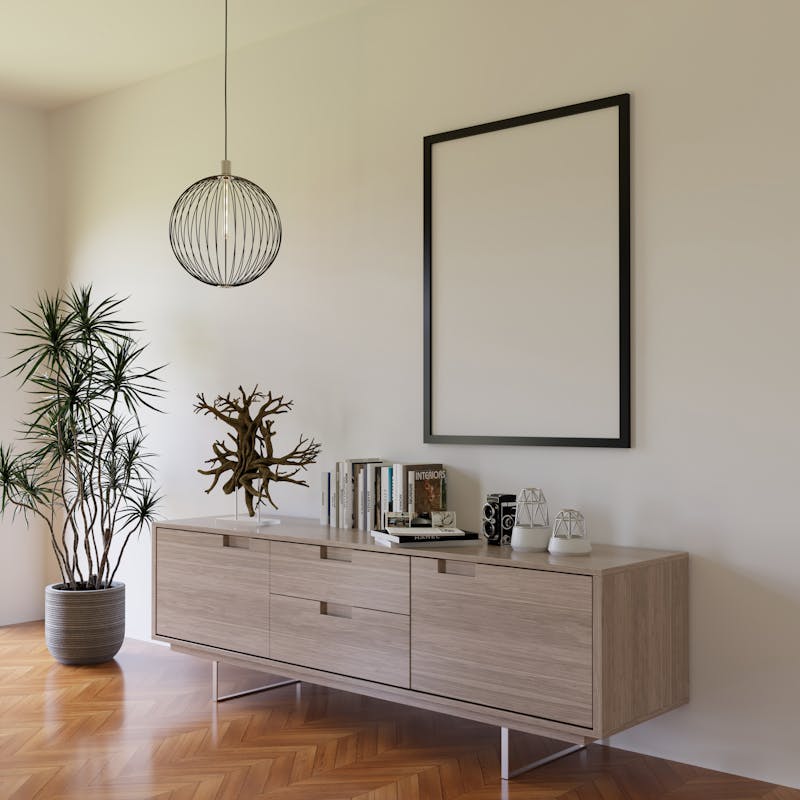
A quiet room can be the most convincing proof that efficiency is working.
The best smart home energy saving tips aren’t just about shaving a few dollars off the bill—they’re about creating rooms that feel steady, comfortable, and calm. When devices coordinate in the background, you notice fewer jolts: the heater doesn’t roar to life as often, lights don’t blaze at full power, and the house stops fighting itself.
If you’re searching for practical ways to cut energy use with smart devices, start by thinking room-by-room. The goal is simple: reduce wasted heating, cooling, lighting, and standby power without turning your home into a fussy science project.
Why “quiet efficiency” is the real smart-home win
Energy waste is often noisy—literally. HVAC cycling hard, fans running when nobody’s there, lights left on because it’s easier than walking back. A well-tuned smart home makes a space feel more consistent: temperatures drift less, glare is reduced, and appliances run when the grid (and your household) can handle it.
Quiet efficiency comes from small automations that prevent extremes. Instead of one big “eco mode,” it’s a set of decisions made automatically: slightly lower setpoints while you sleep, ventilation that runs only when humidity rises, and lighting that matches the moment rather than defaulting to maximum.
Smart home energy saving tips that matter most
The highest-impact moves usually involve heating and cooling first, then lighting, then the hidden load of devices that sip power all day.
Start with a shortlist you can actually maintain:
Get your thermostat working from your real schedule. If your smart thermostat is still basically manual, it won’t save much. Use occupancy features if they’re reliable in your layout; otherwise, build a weekday/weekend schedule that reflects when rooms are truly used.
Let rooms be different. A guest room doesn’t need the same comfort target as the living room. Use zoning (if you have it) or smart vents cautiously, and lean on door discipline: closing a door can be a powerful “automation.”
Use ceiling fans intelligently. Fans don’t lower the air temperature; they improve comfort. Automate them with temperature or presence so they shut off when the room is empty.
Measure before you optimize. One or two smart plugs with energy monitoring can reveal surprising culprits—older entertainment setups, dehumidifiers, or a “sleeping” printer that never really sleeps.
What makes a room truly energy-efficient—and still comfortable?
A room is efficiently comfortable when it avoids rapid swings. That means controlling heat gain/loss, preventing unnecessary run time, and matching light to tasks.
The quickest comfort-to-savings path is tightening the feedback loop. A temperature sensor in the room you actually occupy is often more useful than the one buried in a hallway thermostat. If your system supports remote sensors, use them to prioritize the spaces where people sit still—couches, desks, beds.
For lighting, aim for “enough” rather than “bright.” Dimming to 60–80% often looks better and uses less power, and it reduces the harshness that makes a room feel busier than it is.
Lighting automations that reduce waste without feeling robotic
Lighting is where smart homes can become annoying fast. The trick is to make the automation feel like good manners: responsive, subtle, and easy to override.
Use motion sensors for transitional spaces (hallways, laundry rooms, closets). Keep timeouts short so lights don’t linger.
In living spaces, prefer scenes over motion. A scene like “Evening” that turns on a few lamps at a warm color temperature can replace the habit of flipping on overheads. If you have tunable bulbs, shifting warmer at night also discourages “accidental brightness,” where light levels creep higher than needed.
One underrated move: set a default “off” rule. For example, if nobody is home, everything nonessential goes dark—no debate, no forgotten lamp.
Heating and cooling: make the system run less, not harder
Most households feel energy costs in HVAC first. Smart controls help, but only if they reduce runtime rather than triggering constant micro-adjustments.
Set a temperature setback that you won’t fight. If you choose an aggressive setback and then manually override it daily, you’ll lose both savings and serenity.
Pay attention to humidity. In many climates, humidity drives discomfort more than temperature. A smart thermostat or sensor that accounts for humidity can keep you comfortable at a slightly higher summer setpoint—often with a noticeable reduction in AC demand.
Also, use “quiet hours” strategically. If your system or heat pump has a quieter mode, schedule it for sleep. Pair it with a slightly adjusted setpoint so it can run gently instead of ramping up and down.
Hidden energy drains: standby power and “always-on” habits
A modern room often has a small ecosystem: streaming box, TV, speakers, chargers, a router node, maybe a game console. Each one seems minor, but together they create a steady baseline.
Smart plugs help when they’re used thoughtfully. Put them on devices that don’t need to be always available—older AV gear, decorative lighting, a coffee station, a standalone air purifier that’s only useful at certain times.
Avoid cutting power to anything that’s doing critical background work (like routers) or devices that need proper shutdown cycles. The best savings come from targeted shutdowns, not blanket power cuts.
Make automations resilient, not fragile
The difference between a smart home you love and one you disable is resilience. Build rules that still make sense when life gets messy.
Use layered triggers: time + occupancy + ambient light, rather than a single sensor dictating everything. And give yourself an easy “pause” button—one voice command or app toggle that suspends automations during parties, sick days, or guests.
This is where smart home energy saving tips become lifestyle tips. The more the system respects your routines, the less you’ll override it—and the more savings stick.
A quieter kind of control
Efficiency isn’t supposed to feel like deprivation. It’s more like editing: removing the unnecessary until what’s left feels intentional.
When rooms are tuned well, you notice the absence of small irritations—the blast of cold air that used to wake you, the harsh overhead light you always meant to replace, the electronics that quietly ran all afternoon for no reason. Energy savings show up on the bill, but the deeper benefit is a home that feels steady. And in a busy world, that steadiness is its own kind of luxury.