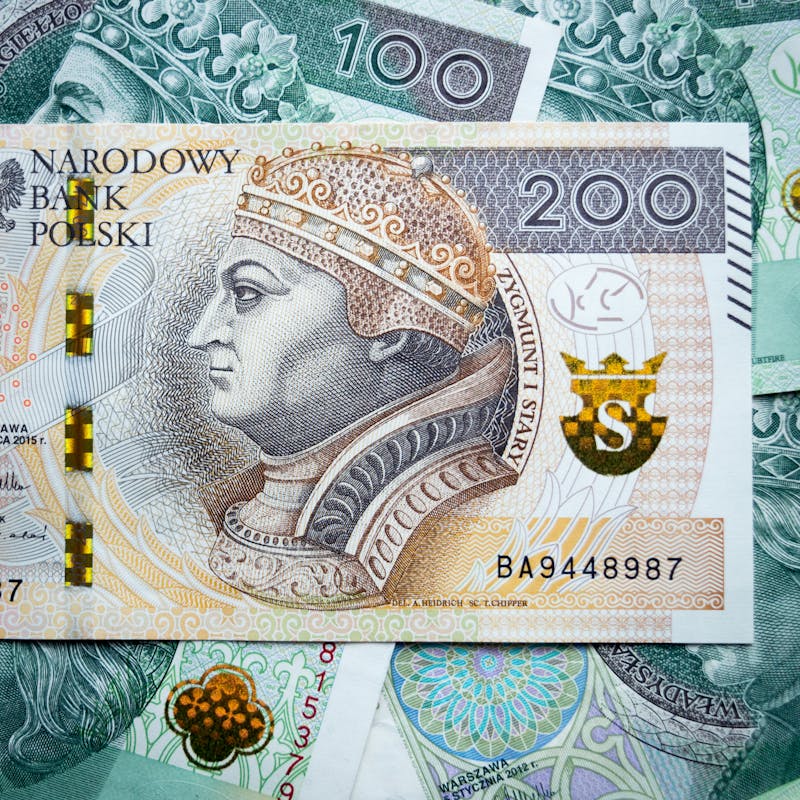
Money feels different when you can literally hold the boundary in your hand.
Budgeting isn’t just math; it’s behavior, attention, and emotion. Budgeting with cash envelopes is a simple, old-school method that changes what you notice, how you decide, and what you do when you’re tempted to “just this once” your way past a limit. It’s not a perfect system for every life, but it can be an unusually effective reset—especially if your spending leaks out in small, forgettable swipes.
What follows isn’t a nostalgia piece about paper money. It’s a practical look at what the cash envelope method changes day to day: your decision-making, your stress level, your relationship to “fun,” and the way you plan for real life—where groceries cost more than you expect and someone always forgets they need new shoes.
What budgeting with cash envelopes actually is
At its core, the method is straightforward: you decide on a handful of spending categories (groceries, dining out, gas, personal spending, kids, etc.), withdraw the cash for each, and put it into labeled envelopes. When an envelope is empty, spending in that category pauses until the next budget period.
The key difference is constraint becomes visible. Instead of checking an app or trusting a mental estimate, you can see your remaining grocery money at a glance. That changes not just spending, but planning.
Cash envelopes work best for variable categories—places where you tend to overspend or where “one more” purchase is easy to justify. They’re less suited to fixed bills like rent or insurance (those are better handled by autopay or a separate bills account).
The psychological shift: from “Do I have money?” to “Do I have money for this?”
Plastic and tap-to-pay systems are optimized for convenience. Cash is optimized for friction. That friction is the whole point.
Researchers in behavioral economics have long noted that people tend to spend less when paying with cash rather than cards, a pattern often called the “pain of paying.” One frequently cited study in the Journal of Consumer Research found that people are typically less willing to part with cash than swipe a card, because cash makes the cost feel more immediate.
That’s not moralizing—it’s design. Cash envelopes intentionally design the moment of payment to be more real.
What changes when you can see the limit
The first week can feel oddly loud. Not in your environment—inside your head. You’ll notice how often you reach for a “quick” purchase to patch a mood, fix a minor inconvenience, or reward yourself for getting through a tedious day.
When the envelope is your boundary, several quiet changes start to stack up:
- Spending becomes episodic instead of continuous. With cards, spending can blur into a stream of small transactions. With envelopes, you feel each decision as part of a finite set.
- Trade-offs become explicit. Extra snacks at the store aren’t just “a few dollars.” They’re “this means less for later.”
- The budget stops being a lecture and starts being feedback. If you run out early, the envelope isn’t judging you; it’s reporting.
There’s also a productivity angle: cash envelopes reduce the number of times you have to “re-decide.” Instead of negotiating with yourself at every checkout, you already decided what this category gets for the month.
Is budgeting with cash envelopes worth it in a mostly-digital world?
For many people, yes—because the point isn’t cash, it’s clarity and control. The method creates a physical dashboard for your habits.
That said, it’s not universally convenient. If your life is heavily digital (online groceries, ride shares, cashless venues), you may need a hybrid approach. The question isn’t whether you can make it perfectly pure; it’s whether it meaningfully changes outcomes.
Here’s a grounded comparison:
| Approach | What it’s great at | Where it struggles | Best for |
|---|---|---|---|
| Cash envelopes | Making limits tangible; curbing impulse spending; staying mindful | Online purchases; safety concerns carrying cash; exact change hassles | People who overspend in a few categories and want a reset |
| Card + tracking app | Automation; detailed history; digital convenience | Limits feel abstract; “budget drift” if you stop checking | People who already review spending weekly |
| Hybrid (cash for triggers, digital for the rest) | Balance of friction and convenience | Requires a clear plan to avoid loopholes | Most households with mixed spending patterns |
A useful clue: if you’ve tried apps and “failed,” it may not be you. It may be that your system didn’t match your psychology.
The categories where envelopes change everything
Cash envelopes are most powerful in categories where spending is frequent, variable, and emotionally loaded.
Groceries
Grocery inflation has been a real pressure point in the U.S. in recent years. The Bureau of Labor Statistics’ Consumer Price Index showed elevated food-at-home inflation in 2022, and while rates have cooled from peaks, many households still feel the “new normal” at the checkout.
Envelopes don’t make food cheaper, but they force clearer choices:
- you plan meals around what you already have
- you reduce “panic buys” midweek
- you pay attention to waste, because waste now has a visible cost
A small but meaningful shift: you start asking, “What can we make from what’s left?” instead of “What are we craving?”
Dining out and convenience spending
This is where the method feels almost magically effective. Dining out isn’t just food; it’s relief. It’s time. It’s social life.
An envelope doesn’t ban restaurants. It turns them into a finite pleasure you can enjoy without vague guilt—because the money was set aside for exactly that.
Personal spending
The “miscellaneous” category is where budgets go to die. If you tend to drift on little treats, subscriptions, and quick store runs, giving yourself a personal envelope can reduce the sense of deprivation.
It also reveals a truth many people avoid: if your personal envelope empties fast, you don’t have a discipline problem. You have a priority and planning problem—and that’s solvable.
Kids, household, and the surprise factor
Life is full of small emergencies: class fees, a forgotten gift, a broken phone charger. Some envelope users create a category literally called “life happens.”
That envelope does something subtle: it reduces the need to use credit as a shock absorber.
A realistic setup that doesn’t fall apart by week two
The most common failure isn’t overspending. It’s friction that’s too high. If the system is annoying, you’ll “temporarily” stop using it—and the old pattern will slide back in.
Here’s a practical checklist that tends to stick.
A simple cash envelope checklist
- Pick 4–6 variable categories you actually spend in weekly (groceries, dining, gas, personal, kids, household).
- Choose a budget period (weekly can be easier than monthly at first).
- Set the amounts using reality, not ideals. Look at the last 1–2 months of spending and adjust slightly, not drastically.
- Withdraw the total once, then fill envelopes at home.
- Keep receipts in the envelope until you’re confident. It helps troubleshoot.
- Create one small buffer envelope (“oops” or “household extras”) to prevent one mistake from breaking the whole system.
- Schedule a 10-minute reset once per week: count what’s left, note patterns, refill if you’re doing weekly.
Two additional tips that matter more than people expect:
- Use a dedicated wallet section or slim envelope holder. A pile of paper envelopes becomes messy fast.
- Write a rule for what counts. For example: “Coffee shops count as dining out,” or “Target runs are split: groceries from grocery envelope, toiletries from household.” Clear rules prevent loopholes.
The uncomfortable truth envelopes reveal—and why that’s useful
Envelopes don’t just control spending; they expose it.
You may discover:
- you’ve been underestimating how often you “need” convenience
- your grocery budget is actually subsidizing household items and toiletries
- your lifestyle requires more margin than your current income supports
That can sting. But it’s also the start of real change, because you can’t fix what stays blurry.
This is where the method intersects with productivity. When your spending stops being a mystery, you stop wasting mental energy on low-grade financial anxiety. According to the American Psychological Association’s Stress in America reports, money regularly ranks among top sources of stress for U.S. adults. A system that reduces daily ambiguity can lower that constant hum, even if your total income doesn’t change immediately.
The “envelope conversation” couples and roommates avoid
One of the surprising benefits is how envelopes make money talks less personal. Instead of “you spend too much,” the conversation becomes “this category runs out by day 18—what’s driving that?”
It’s a shift from blame to pattern recognition.
If you share finances, consider a small structure:
- one shared grocery envelope
- one shared household envelope
- separate personal envelopes (no questions asked)
That separation preserves autonomy while keeping shared goals intact.
Making it work when you can’t pay cash everywhere
A modern workaround is to use cash envelopes for the categories that trigger overspending, while keeping digital payments for everything else.
Common hybrid strategies:
- Cash for dining out + personal spending, card for groceries and gas
- Cash for weekends, card for weekdays
- Cash for one “problem category” only, to test the effect
If you do online shopping, you can still keep the envelope logic: when you buy something online in an envelope category, you immediately pull that cash out and move it to a “spent” envelope (or record it on a slip inside). The point is to keep the limit visible.
A note on safety: if carrying cash worries you, don’t carry every envelope. Carry what you need for the day, and keep the rest secure at home.
What it changes, quietly, over a few months
The biggest shift isn’t that you never overspend again. It’s that you start noticing the moment before overspending, when the story in your head begins.
You’ll hear yourself think:
- “We deserve it.”
- “It’s only $12.”
- “I’ll make up for it later.”
With envelopes, those lines meet a physical reality: there’s either enough in the category, or there isn’t. Over time, that reduces decision fatigue. You stop bargaining with yourself so often.
And something else happens: fun becomes cleaner. When you spend from an envelope that was designed for enjoyment, you can enjoy it without the aftertaste of uncertainty.
That’s what cash envelopes really change. They turn the budget from an abstract plan into a daily experience—one that makes your priorities easier to follow on an ordinary Tuesday, not just on the day you set goals.