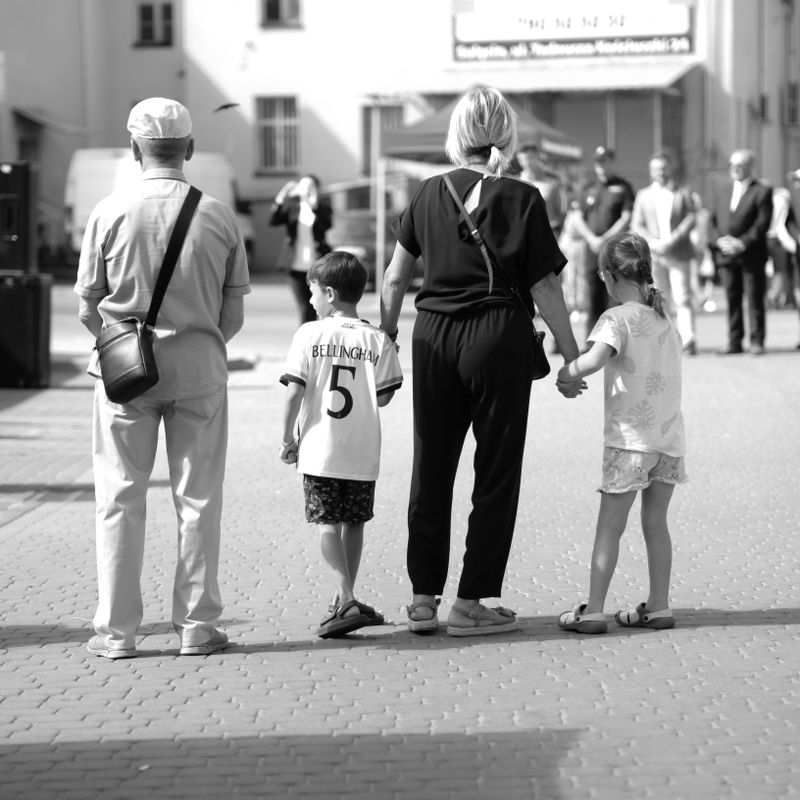
"We're connected more than ever—yet we feel more alone than ever."
The Rise of Emotional Insulation
In a world buzzing with instant messages and social media updates, one might expect that human connection is thriving. Yet, many people feel increasingly isolated, even when surrounded by others. This paradox reflects the rise of emotional insulators—individuals who, either by choice or necessity, shield themselves from genuine emotional exposure.
Emotional insulators don’t necessarily lack relationships. Instead, they maintain a carefully managed distance, driven by past hurts, fear of vulnerability, or the overwhelming pace of modern life. These people might appear sociable and functional, but beneath the surface lies a deliberate detachment—a strategy to avoid pain, rejection, or dependency.
The Culture of Guardedness
Our society often rewards independence, self-reliance, and emotional control. From an early age, we learn that to cry is to be weak, that to ask for help is to be needy, and that emotions are best handled privately. Over time, these cultural messages train us to hide our feelings, to protect ourselves behind a mask of strength and normalcy.
This emotional restraint becomes a defense mechanism, especially for those who have experienced trauma, heartbreak, or repeated disappointments. Rather than risk emotional exposure again, many people choose to "go cold"—not out of cruelty, but out of self-preservation.
Emotional Scar Tissue: The Hidden Wounds
Beneath the layers of emotional insulation are scars—remnants of past emotional injuries. These could be childhood neglect, failed relationships, betrayals by friends, or even societal rejection. Like physical scars, emotional ones don’t vanish; they become part of us, influencing how we interact with others.
This “scar tissue” doesn’t always manifest in obvious ways. It might appear as chronic defensiveness, an inability to trust, or even excessive self-sufficiency. People who carry these hidden wounds often yearn for closeness but fear the vulnerability it demands. So, they settle into a cycle of detachment—longing yet avoiding, hoping yet retreating.
Digital Proximity, Emotional Distance
Technology has amplified this insulation. Social media, messaging apps, and dating platforms offer an illusion of connection while minimizing emotional risk. We can "talk" without speaking, "share" without revealing, and "connect" without truly engaging.
Online interactions often favor brevity and polish over depth and authenticity. Vulnerable conversations are replaced with curated posts. Intimacy is substituted with emojis and likes. Over time, these habits condition us to avoid raw, messy, human emotions in favor of safe, controllable interactions.
Breaking the Insulation: The Path to Authenticity
To reconnect emotionally, we must first recognize our own insulation. Are we avoiding closeness because it feels unsafe? Are we masking our pain under sarcasm or indifference? Awareness is the first step toward dismantling our emotional barriers.
Next comes the courage to be vulnerable. This doesn’t mean oversharing or emotional dumping, but rather allowing space for honesty, discomfort, and empathy. Genuine connection requires risk—the risk of being seen, misunderstood, or even hurt. But it also opens the door to healing and intimacy.
Lastly, fostering deeper connections means creating environments where emotional expression is welcomed. Whether in families, friendships, or workplaces, we need to value emotional honesty as much as productivity or performance.
Toward a Warmer Future
Emotional insulation is a response to pain—but it shouldn't be a permanent home. In a world that often teaches us to protect ourselves at all costs, choosing vulnerability is a radical act. It’s a path back to warmth, connection, and ultimately, to the very essence of what makes us human.
As we move through the noise of modern life, may we each find the courage to shed a layer, speak a truth, and listen with empathy. Only then can we stop being emotional insulators—and start being whole again.