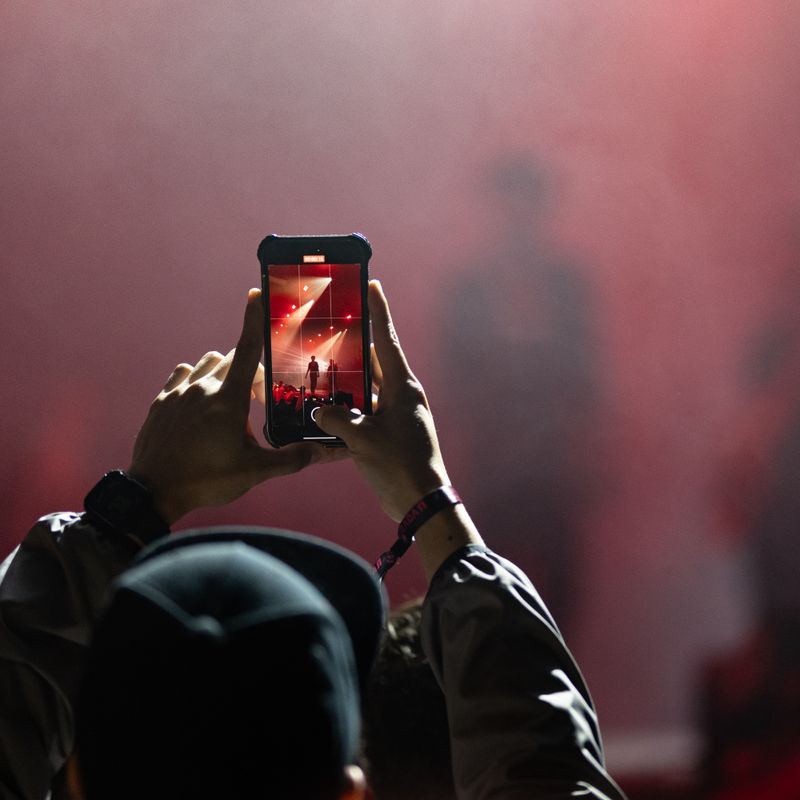
When I stopped chasing likes, I started noticing life.
The Obsession With Being Seen
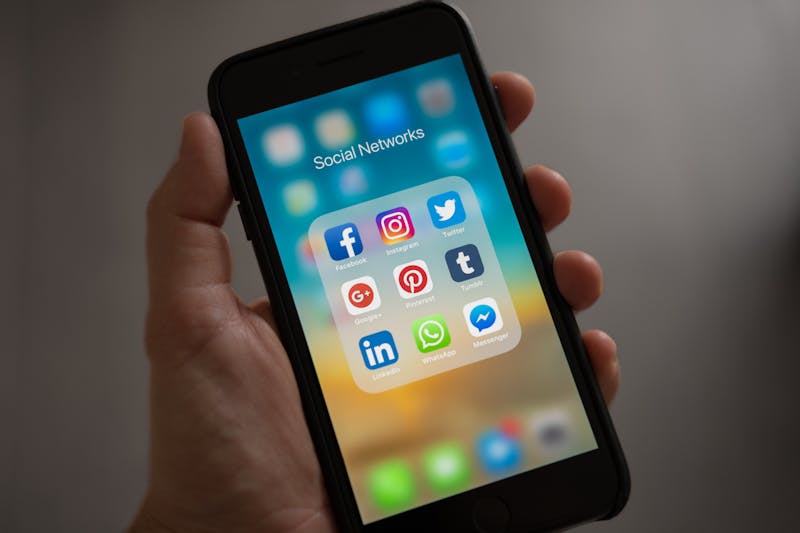
It began as a casual thought: What if I stopped using social media for a month? No likes, no scrolling, no updates. I wasn’t burnt out. I wasn’t even particularly anti-tech. But I couldn’t shake the feeling that the digital world had crept too far into my real one. My screen time reports were climbing, and the way I judged my day sometimes depended on how well a post performed. So I decided to unplug—for 30 days.
Week One: The Phantom Buzz and Empty Fingers
The first few days felt like quitting sugar. My fingers reached for apps I had deleted, almost by muscle memory. I caught myself mentally framing moments in my day as potential posts. A well-lit coffee cup? That could’ve been a great story. But no more. That realization hit me hard: I had trained myself to view my life through an audience’s eyes, not my own.
I also felt lonelier than expected. Without social media, I didn’t get my usual passive check-ins—the emoji replies, the heart reacts, the constant, if superficial, validation. I had to confront what actual connection looked like, and how little of it I’d been cultivating.
Week Two: The Silence Gets Comfortable
By day 10, the silence no longer felt like absence—it started to feel like space. Without the noise, I had more attention for things that had long been ignored: books on my shelf, long walks without music, spontaneous calls with friends. The itch to be seen and validated slowly faded. I didn’t stop caring what people thought, but the urgency dropped.
Social interactions felt more intentional. I met a friend for coffee and we talked for two hours straight—no phones, no photos. That experience stayed with me longer than any Instagram story would have.
Week Three: The Rewiring
Something unexpected began to happen: I started to rewire the way I processed my day. I wasn’t looking for viral-worthy moments anymore. Instead, I noticed how the sun lit my kitchen in the morning or how good it felt to fully focus on a single task. It wasn’t that life got more exciting—it got more present.
Creatively, I also noticed a shift. I wrote more, not for likes or clicks, but because I wanted to explore thoughts that had been crowding my mind. Without an algorithm to serve, my expression felt lighter and more honest.
Week Four: The New Normal
By the final week, I no longer missed the dopamine hit from digital applause. In fact, I dreaded going back. The detox had uncovered a surprising truth: I felt freer. Not because I had abandoned technology, but because I had taken back control of my attention. My life was no longer staged for performance.
I eventually returned to social media—but on different terms. I unfollowed hundreds of accounts, turned off notifications, and stopped posting regularly. Likes no longer dictated value. That change wasn’t just digital; it was personal.
Lessons From a Like-Free Life
- Silence is powerful – When the noise dies down, you rediscover your own voice.
- Connection is a choice – Digital touchpoints aren’t a substitute for real relationships.
- Attention is freedom – What you pay attention to shapes your reality.
A social media detox won’t solve everything. But it might show you how much of your day is shaped by the need to be seen—and how liberating it is to step out of that cycle.