A city’s true weather is measured in small behaviors.
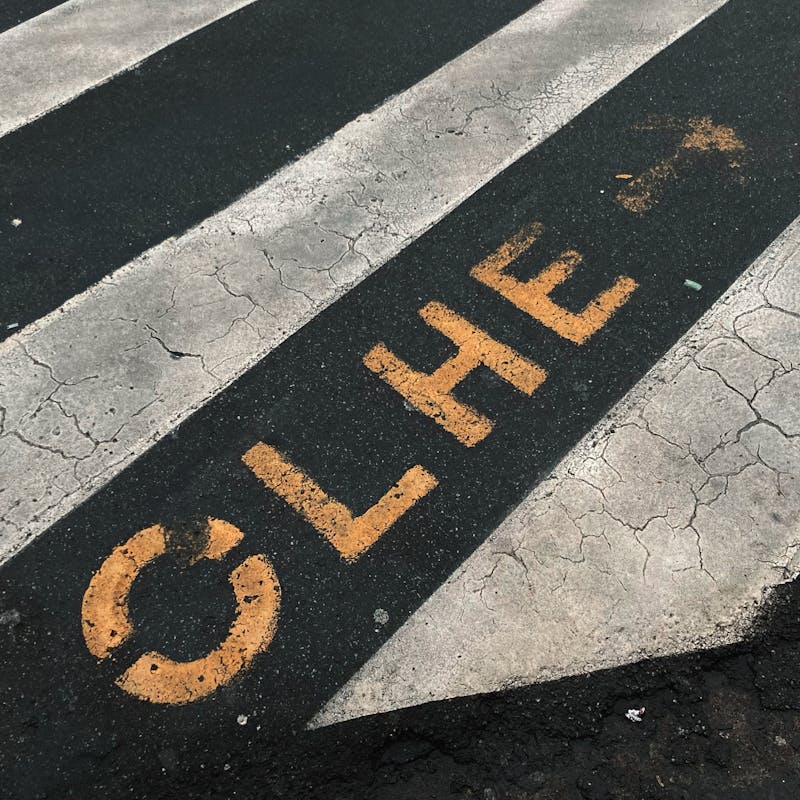
Walk through any neighborhood at the same hour each day and you start to notice the quiet indicators. The crosswalk that used to feel like a suggestion. The bus stop that’s suddenly more crowded. The corner store bulletin board that shifts from lost cats to mutual aid requests. Civic mood—our shared sense of trust, patience, and responsibility—rarely announces itself with speeches. It leaks into routines.
What’s striking lately is how many daily habits carry an edge of interpretation. When people return shopping carts, they’re not just being tidy; they’re participating in an unspoken agreement that the space belongs to everyone. When they don’t, it reads like withdrawal. The same act can feel minor in isolation and loud in accumulation.
The Sidewalk as a Survey
Sidewalk life is the closest thing most of us have to a daily referendum. In the span of two blocks you can watch how strangers negotiate each other’s presence.
In a steadier mood, there’s a choreography: a small lean to the right, a brief glance, a half-smile that signals “I see you.” In a more brittle mood, people move like pinballs, eyes forward, shoulders up, headphones sealing the world out. The difference isn’t politeness for its own sake; it’s a signal of bandwidth. When civic mood dips, micro-generosity becomes expensive.
Even dogs pick up the cues. In calmer stretches, owners chat while leashes tangle. In tense ones, there’s less small talk, more tugging, more brisk corrections. The sidewalk becomes a corridor, not a commons.
Lines, Rules, and the Temperature of Patience
Few places reveal collective temperament like a line. A coffee shop queue is a tiny institution: a shared agreement about fairness, order, and time.
When people feel the system mostly works, waiting is irritating but tolerable. There’s room for a joke about the morning rush, an easy “you go ahead.” When trust erodes—when costs climb, schedules tighten, and services feel unpredictable—lines become moral tests. Who cuts, who confronts, who looks away.
You can hear it in the tone of a complaint. In one civic mood, a customer says, “Hey, I think you missed my order,” and the employee can repair the moment. In another, the same sentence carries a threat: “This is one more way I’m being disrespected.” The transaction becomes symbolic, and symbols are heavy.
The Car as a Confessional
Driving habits have always been a kind of autobiography, but they’ve become a clearer window into shared strain. A horn is never just a horn. It’s a message about how we think time and space should be allocated.
In a generous civic mood, drivers merge with a blink of the headlights, a subtle nod of cooperation. In a sour one, every merge is a contest, every slowdown a provocation. You can feel a cultural shift when people stop waving thank-you. It’s a small gesture, but it’s also a recognition that the other driver made a choice to make room.
Even parking tells stories. A car angled across two spots isn’t only inconsiderate; it’s a declaration that the rules don’t apply, or that the driver expects the world to accommodate them. Multiply that by a thousand small infractions and the built environment starts to feel like it’s governed by resignation.
What We Post, What We Share, What We Withhold
Online habits might seem separate from civic life, but they’re increasingly braided into it. The civic mood shows up not only in what people argue about, but in how quickly they assume bad faith.
In a healthier atmosphere, someone can ask a clumsy question and be met with correction that still allows dignity. In a brittle one, mistakes become identities. The pile-on replaces the conversation, and silence starts to look safer than participation.
Yet there’s another trend that can signal a different kind of shift: the rise of practical sharing. Neighborhood groups swapping tools, rides, or recommendations for affordable childcare are not just exchanging information—they’re rebuilding local trust in a world that often feels too big to negotiate.
Small Rituals of Care as Public Infrastructure
Civic mood is often framed as something governments manage, but daily habits show how much of it is handmade. The person who shovels not just their own sidewalk but the elderly neighbor’s. The library patron who re-shelves a stack left on a table. The regular who tips a little extra when the staff looks swamped.
These gestures aren’t naïve. They’re adaptive. In periods when institutions feel distant or slow, people either retreat into private survival or strengthen the informal networks that keep a place livable. One path increases suspicion; the other increases resilience.
You can see it in the presence—or absence—of third places. When cafés, barbershops, parks, and community centers feel welcoming, they act like social shock absorbers. When they’re underfunded, overcrowded, or economically out of reach, the city loses rehearsal space for cooperation.
The Quiet Power of Showing Up
Voting gets the spotlight, but turnout in everyday life matters too: attending a school meeting, returning a missed call from a neighbor, speaking up when someone is being treated unfairly in a store. These are not heroic moments. They’re ordinary decisions that, over time, set the baseline for what a community tolerates and what it protects.
There’s a particular kind of civic sadness that shows up when people stop believing their presence makes a difference. You hear it in comments like “Why bother?” or “It’s not my job.” And there’s a particular kind of civic renewal that arrives when people rediscover the opposite: “If I don’t, who will?”
None of this requires perfection. A changing civic mood doesn’t demand that everyone become endlessly patient, endlessly generous. It asks something simpler and harder: to remember that public life is made of repeated small contacts, most of them unrecorded.
If you want to know where a city—or a country—is headed, don’t just scan the headlines. Watch the crosswalk. Listen to the line at the pharmacy. Notice whether people still hold doors when their hands are full.
Because in the end, civic mood isn’t a slogan. It’s the sum of our daily habits, and those habits are a kind of promise we either renew or let expire.