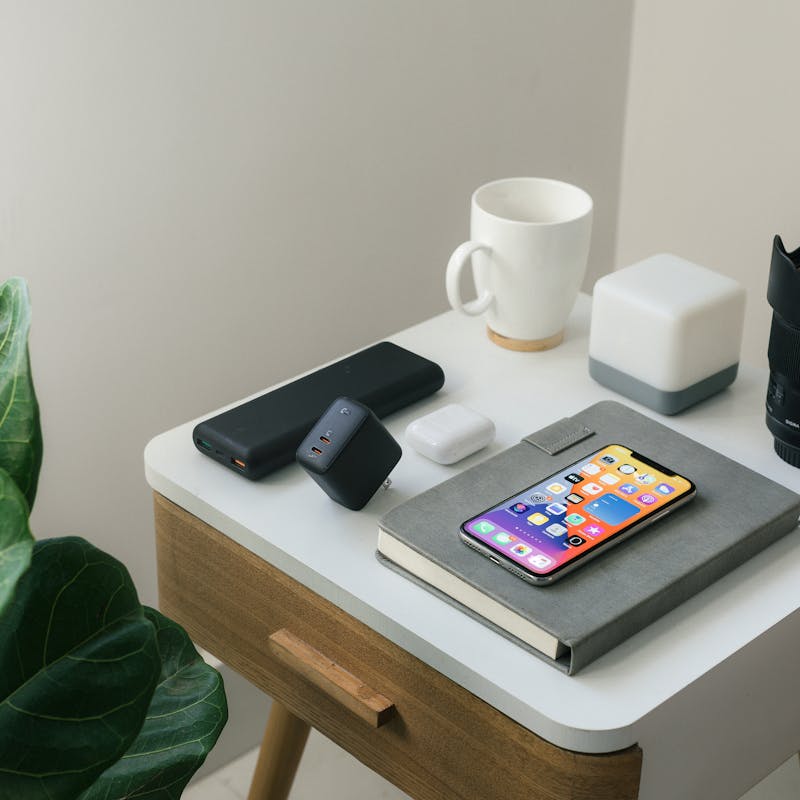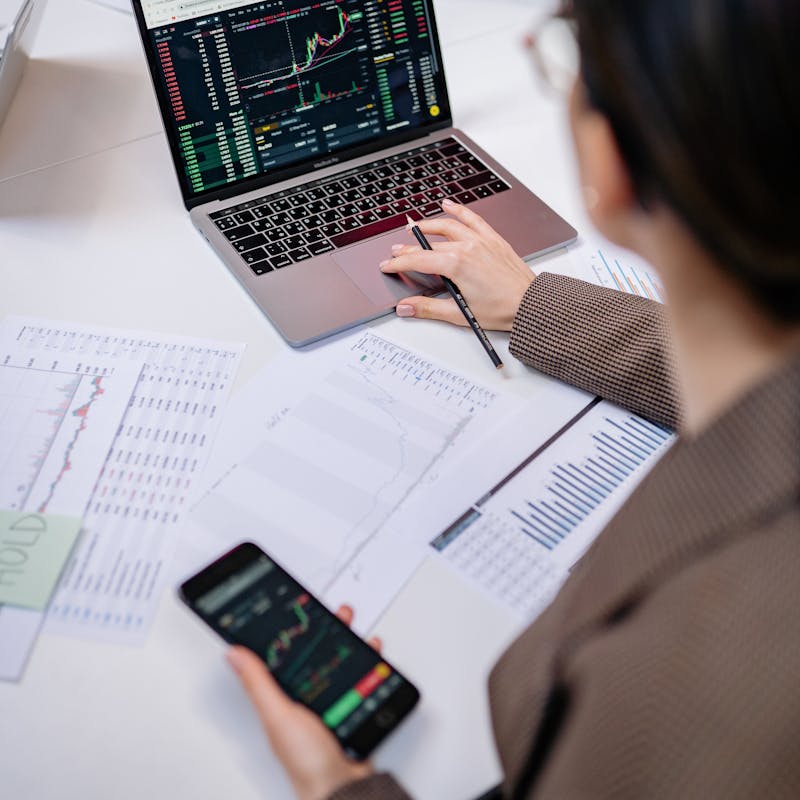
The magic isn’t gone; it’s just soldered into the ordinary.
A door unlocks with a soft click before you’ve reached for the keys. A watch notices you’ve been sitting too long and nudges you into motion. A thermostat learns your mornings the way a friend does, anticipating without asking. None of this feels like science fiction anymore, which is exactly why it can feel invisible.
The strange thing about modern life is that we’re surrounded by tiny miracles and still manage to be bored in the checkout line.
The quiet industry of unseen decisions
Most of the electronics we rely on don’t announce themselves. They whisper.
Inside a phone, circuits decide what counts as a face and what counts as background. Inside a car, other circuits weigh traction and timing, balancing safety and efficiency in milliseconds. Even a pair of wireless earbuds is running a miniature negotiation—between battery life, sound quality, and the chaos of the street.
We tend to imagine circuits as rigid: a clean grid of copper traces, a cold logic of ones and zeros. But the lived effect of circuitry is more like a busy city. Signals cross paths, priorities shift, and the outside world constantly interrupts. The most impressive part isn’t that these systems can compute. It’s that they can keep computing while being jostled by real life.
Wonder in the places we stop looking
There’s a particular kind of wonder that comes from noticing how much has been packed into smallness.
A modern camera sensor holds millions of light-sensitive sites, each one responding to photons with the indifference of physics and the tenderness of memory. The photo you take at dinner—too dark, too fast, too casual—still comes out legible because hidden circuits boost shadows, reduce noise, and guess at colors. Your phone isn’t only recording; it’s interpreting.
The same goes for GPS. It’s easy to treat navigation as a utility, like plumbing. But your location is a conversation with satellites that are hurtling through space, each carrying a precise clock. Your device listens for faint signals and performs constant corrections for delay and drift. The turn-by-turn voice sounds calm, as if it were reading a recipe. Underneath, it’s a daily triumph of timing.
When the ordinary becomes a laboratory
Everyday life is now an ongoing experiment, whether we volunteered or not.
A home filled with “smart” devices is also a home filled with sensors. Motion, temperature, humidity, sound—things that used to be felt are now measured. Measurement can be comforting. It can also change how we pay attention.
Think about sleep tracking. Before, you woke up and made a rough assessment: good night, bad night, somewhere in between. Now a graph is waiting to tell you what your body did. Sometimes it validates your intuition. Sometimes it contradicts it and leaves you oddly uneasy, as if you can’t trust your own tiredness.
Circuits don’t just extend our abilities; they sometimes edit our self-perception.
The intimacy of tools that learn us
The most profound shift isn’t that devices work. It’s that they adapt.
Recommendation systems notice patterns you didn’t know you had: the hour you reach for comfort viewing, the kind of music you put on when you’re trying to focus, the topics you circle when you’re anxious. On good days, that personalization feels like being understood. On bad days, it feels like being watched by something that never blinks.
This is a new kind of intimacy—one made of data rather than touch. And it’s complicated by the fact that learning is asymmetrical. Your phone learns you, but you don’t learn your phone in the same way. You might know where the camera is. You probably don’t know how many models are running behind the scenes, or what assumptions are baked into them.
Wonder, here, comes with a shadow: convenience is never free.
Craftsmanship, still hiding in plain sight
It’s easy to treat electronics as disposable, because they often arrive sealed shut.
Yet the world behind the screen is full of craft. Engineers fight for millimeters. Designers consider how heat moves through metal and glass. Supply chains coordinate rare minerals, clean rooms, and microscopic tolerances. Even the humble charging cable reflects compromise: durability versus flexibility, cost versus safety, standards versus brand identity.
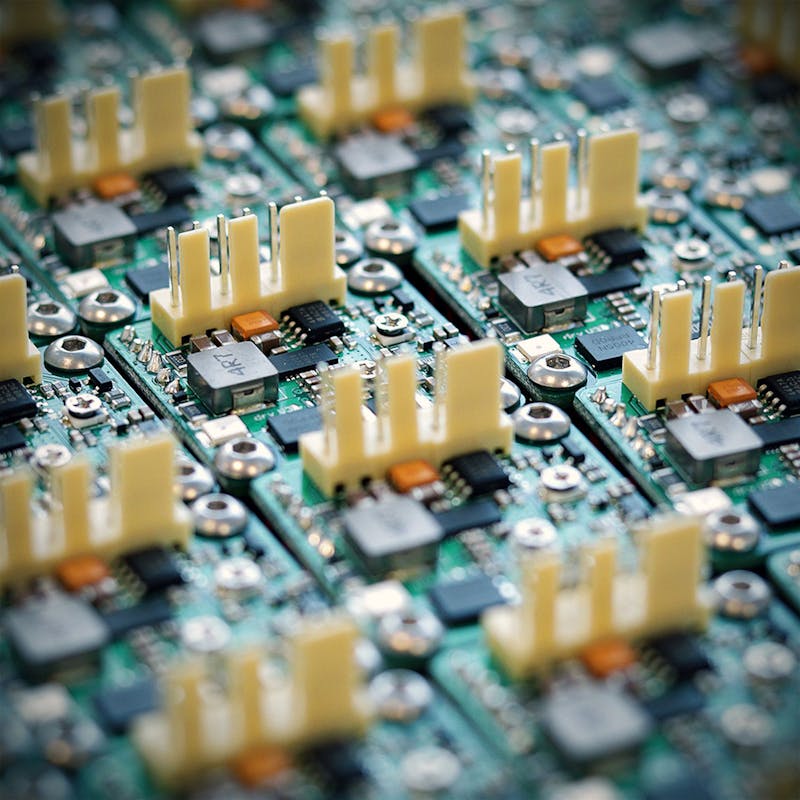
If you’ve ever watched someone repair an old radio or build a keyboard from scratch, you’ve seen that craft reappear. A circuit board becomes less like a mystery and more like a landscape. Traces look like pathways. Components look like tiny promises: this one will store energy, that one will resist it, another will translate vibration into signal.
The wonder isn’t only in what these things do. It’s in the fact that human beings can make them at all.
Friction as a form of attention
Modern devices aim to erase friction. Tap, swipe, pay, go.
But some friction is where awareness lives. A mechanical switch clicks and reminds you that you acted. A film camera forces you to slow down. A handwritten note takes time, and that time becomes part of the message.
This doesn’t mean we should reject advanced technology. It means we can choose where we want the seams to show. Sometimes the best way to reclaim wonder is to let yourself feel the process again: to learn a tiny bit of how a thing works, or to repair instead of replace, or to notice the small delays and signals you usually ignore.
Curiosity doesn’t require a soldering iron. It just requires looking twice.
Living with the invisible without surrendering to it
Circuits will keep slipping deeper into daily life, and they’ll keep getting better at disappearing. That’s the design goal: less hassle, fewer steps, smoother surfaces.
But wonder thrives on edges and details. It thrives when you remember that a “simple” action—sending a message, dimming a light, starting a car—sets off a cascade of decisions made at speeds your senses can’t track. It thrives when you imagine the human hands behind the automation: the late-night debugging, the careful testing, the quiet pride when a device survives the messiness of the world.
The everyday doesn’t stop being ordinary. It just gains another layer.
And once you start seeing that layer—the tiny architectures of logic tucked into objects you touch constantly—you may find yourself standing in your kitchen, watching the microwave count down, and feeling something surprisingly close to awe.