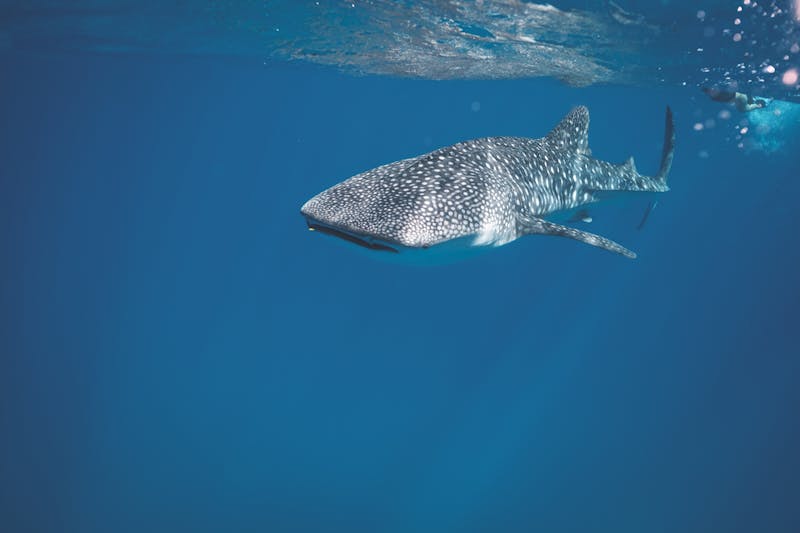
When a luxury cruise meets razor-sharp teeth, suspense is guaranteed.
The Perfect Storm of Fear and Fantasy
There's something uniquely terrifying about the open ocean. Add a cruise ship—symbolizing leisure, safety, and civilization—and then introduce a shark, nature's apex predator, and you’ve got a cinematic formula that Hollywood can’t resist. The “shark + cruise” trope has become a recurring theme in thrillers and horror films, preying on our deepest fears of the unknown beneath the waves and the fragility of human dominance over nature.
But why does this unlikely combination have such a strong grip on our imagination?
Symbolism and Spectacle: The Power of Contrast
Cruise ships represent the pinnacle of modern luxury, floating cities packed with comfort, entertainment, and order. Sharks, on the other hand, symbolize chaos, unpredictability, and primal survival. When these two worlds collide in storytelling, it creates instant tension. The massive, mechanical safety of a cruise liner being compromised by an ancient, instinct-driven predator touches on both our fear of losing control and our fascination with nature’s raw power.
Visually, this juxtaposition also plays well on screen. The vast, empty ocean. The looming shadow beneath the waves. The slow build-up of tension before a sudden, bloody climax. It’s the stuff of box office success.
How Media Fuels Our Fear of Sharks
Ever since Jaws hit theaters in 1975, sharks have been villainized in mainstream media. Despite data showing that shark attacks on humans are extremely rare, these creatures have been consistently portrayed as bloodthirsty monsters. Movies and TV shows amplify this image, often ignoring science in favor of shock value.
The addition of cruise ships only raises the stakes—hundreds or thousands of potential victims packed into an isolated vessel with limited escape options. It’s a narrative goldmine for tension, but a nightmare for conservationists.
Distorted Reality: The Cost to Conservation
This portrayal isn’t just entertainment—it has real-world consequences. Research has shown that fear-based media representations of sharks contribute to negative public perception. People are more likely to support harmful practices like shark culling or resist legislation aimed at marine protection because they’ve internalized the idea that sharks are a threat to human life.
Even cruise ships themselves play a role in marine ecosystems, from contributing to ocean noise pollution to releasing waste that affects marine life. Ironically, while movies depict cruise passengers under attack from sharks, in reality, it's marine life that's under attack from human activity.
Reinforcing Ocean Stereotypes
Beyond sharks, the ocean is often depicted in media as a mysterious and hostile place. This deters public interest in ocean conservation and exploration. Instead of seeing the sea as a vital and interconnected ecosystem, audiences are conditioned to view it as a danger zone—a place to survive, not to protect.
This mindset is especially problematic as climate change and overfishing put increasing pressure on marine biodiversity. The more we fear the ocean, the less we engage with efforts to preserve it.
Can Storytelling Shift the Narrative?
There’s potential for change. Films and series that highlight the beauty and complexity of ocean life—without relying on outdated predator tropes—can help reshape public perception. Documentaries like Blue Planet and Sharkwater show a different side of sharks and the ocean: one that’s vulnerable, majestic, and worth saving.
Even fictional thrillers can evolve. Instead of demonizing sharks, stories could explore the consequences of environmental imbalance, corporate greed, or humanity’s disconnect from nature. These themes can maintain dramatic tension while also encouraging ecological awareness.
Final Thoughts: Beyond the Surface
The “shark + cruise” formula works because it taps into primal fears—of isolation, of nature’s unpredictability, of losing control. But when media continually reinforces these images without context, it distorts our relationship with the natural world.
It’s time to ask: are we just here to be entertained, or can our stories do more? By shifting the narrative, we can create media that thrills and enlightens—turning fear into fascination, and fiction into a force for conservation.