The quiet after a goodbye can be louder than any arrival.
There’s a particular kind of silence that follows departure—not just the closing of a door, but the moment your body realizes it no longer needs to brace itself. The air changes. The room becomes a room again, not a staging area for motion.
I didn’t expect that space to make me feel present. I expected it to feel empty.
For a long time, my life was organized around leaving. Not always dramatically, not always with suitcases and plane tickets, but with the same inner posture: preparing, anticipating, rehearsing the next shift. Even my calm was provisional, the kind you keep because you’ll need your energy later.
Somewhere in that constant orientation toward what’s next, I forgot how to live inside what’s now.
The strange comfort of being “in transit”
We romanticize movement. Leaving is often framed as brave, ambitious, clean. There’s a script for it: you outgrow a place, you chase a new chapter, you become someone who is always on the way.
And sometimes that’s true.
But there’s also a softer, less flattering truth: being in transit can be an emotional strategy. When you’re always preparing to go, you don’t have to fully arrive anywhere. You don’t have to deal with the complicated intimacy of staying.
In transit, you get an excuse to keep things light. You can delay depth because depth takes time, and time feels risky when you’re not sure you’ll be around.
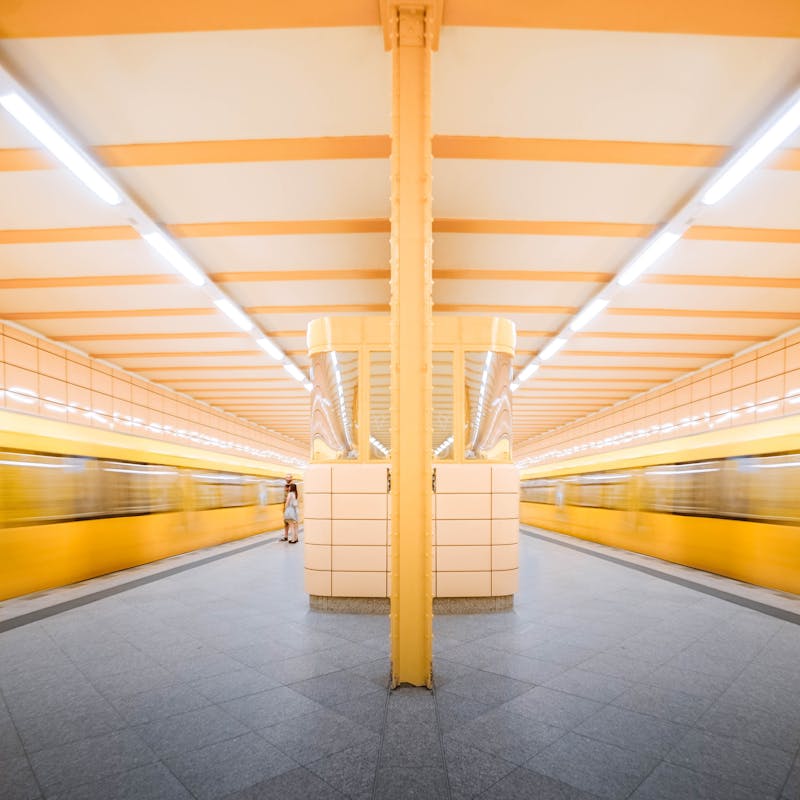
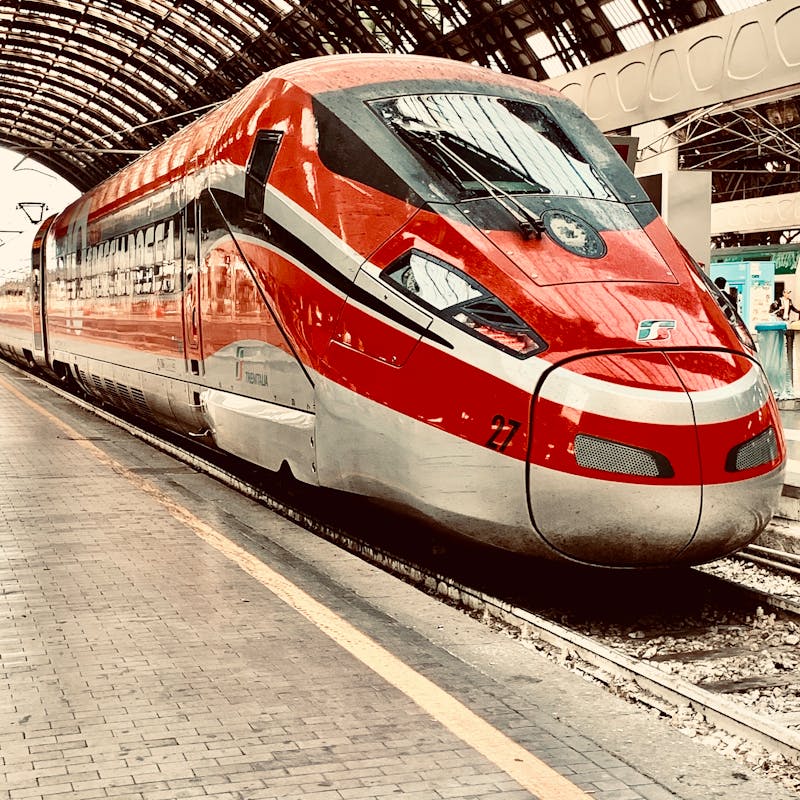
Even the discomfort of travel has a certain clarity. Timetables tell you what to do. Delays give you something to blame. Airports, train platforms, highway exits—these are environments built for forward motion, where nobody expects you to settle in.
If you’ve ever felt oddly soothed by the logic of a departure gate, you know what I mean.
Departures that aren’t just physical
Not all departures involve geography.
Sometimes leaving looks like a job you mentally quit months before you actually resign. Sometimes it’s the slow fading out of a friendship you can’t quite name. Sometimes it’s the emotional exit you take mid-conversation, where you nod and respond but your attention has already slipped away to somewhere safer.
There are also the departures we perform in advance.
You start to detach because you sense an ending coming. You lower your expectations. You stop decorating your mental space with the details of people’s lives. You do it to protect yourself, but the protection has a cost.
The cost is presence.
Presence asks for a kind of risk that planning doesn’t. It asks you to be here even if “here” is uncertain, imperfect, or temporary. It asks you to accept that you might care and still have to let go.
When you’re always leaving, you get to bypass that bargain.
The in-between that no one posts about
The space between departures is rarely glamorous.
It’s the afternoon after the friend leaves town, when the dishes are still drying and the guest towel is still hung. It’s the week after you finish a big project, when your calendar suddenly looks too open. It’s the morning after a breakup when there’s nothing to do but make coffee and feel the ordinary weight of the day.
That in-between is full of small ghosts: routines that don’t apply anymore, jokes that have no audience, energy that has nowhere to go.
And yet, it’s also when you can finally hear yourself.
When the noise of preparation drops away, what’s left is not always emptiness. Sometimes what’s left is your own life, waiting with a patience that is both kind and unsettling.
I used to fill those spaces immediately. I’d reach for a plan, a screen, a message thread. I’d create movement to avoid stillness.
But one day, I didn’t.
Not out of virtue. Out of a kind of fatigue. The sort that comes when you’ve run on anticipation for so long that your mind finally refuses to sprint.
And that’s when I felt it: presence, not as a concept but as a physical sensation. The way my shoulders sat when they weren’t tensed for what might happen next. The way the room looked when I wasn’t scanning it for what I needed to pack.
What presence actually feels like
Presence is often described in language that makes it sound like a reward. As if you practice hard enough, you’ll be given a peaceful mind.
But presence isn’t always peaceful.
Sometimes it feels like noticing how lonely you are in a way you can’t talk yourself out of. Sometimes it feels like realizing you’ve been living with low-grade anxiety so long you mistook it for personality. Sometimes it’s the sudden recognition that you’ve been surviving your days rather than inhabiting them.
Presence can be tender. It can also be blunt.
In the space between departures, I started noticing the tiny details that had been blurred by speed.
The way evening light turns a wall into something textured and alive. The way a familiar street has its own soundscape: the distant bass of traffic, a dog’s tags clinking, someone’s laugh sharp as a match strike. The way your body has preferences you don’t hear when you’re rushing—wanting water, wanting rest, wanting a slower pace.
It’s almost embarrassing how obvious these things are, and how easily they disappear when you’re always oriented toward the next exit.
The temptation to make the moment useful
Even after I began to taste presence, I tried to optimize it.
I wanted the in-between to produce something: a revelation, a better habit, a clearer plan. I treated stillness like a workshop.
That impulse is understandable. Modern life trains us to measure everything. If a moment isn’t productive, we assume it’s wasted. If a feeling doesn’t become content or clarity, we assume it’s indulgent.
But the space between departures isn’t meant to be useful.
It’s meant to be lived.
A life can’t be nothing but transitions and milestones. If you only pay attention during the big changes, you miss the substance that makes those changes matter.
The irony is that so many of our most important inner shifts happen when nothing is happening.
Not when we’re moving. When we’re stopped.
Staying long enough to be affected
To be present is to be affected.
That’s the part we don’t always admit. Presence means letting a place imprint on you. Letting people’s moods change your own. Letting the weather, the music in a store, the tone of a conversation actually land.
When you’re always preparing to depart, you keep a layer of distance between yourself and experience. It’s a way of staying intact.
But it also keeps you untouched.
In the in-between, I began to notice how often I’d been withholding myself. Not in dramatic ways—just in tiny hesitations. Not calling someone back because I didn’t want to commit to a plan. Not buying the good fruit because I might be gone next week. Not learning the neighbor’s name because I didn’t know how long I’d be around.
Those choices look minor, even rational.
But stacked over time, they make a life feel like a waiting room.
Presence, I learned, is built from small acts of staying.
Staying with a conversation even when it gets awkward. Staying with your own thoughts long enough to understand what they’re pointing to. Staying in a place long enough to notice its patterns. Not because permanence is guaranteed, but because attention is a way of honoring what’s real.
A different relationship with endings
Once you’ve lived in the space between departures, endings change.
You stop treating them purely as threats or failures. You begin to see them as punctuation rather than erasure.
When you’re present, you don’t just mourn what leaves; you recognize what was here.
That recognition doesn’t eliminate grief. Sometimes it intensifies it.
But it also prevents a certain kind of regret: the regret of realizing you were physically there but mentally elsewhere. The regret of having a life full of events but thin on experience.
The space between departures taught me that you can let something end without turning your whole self into an exit strategy.
You can be sad and still be here.
You can be uncertain and still be here.
You can be between chapters and still be in your life.
The quiet decision to inhabit the day
Presence doesn’t arrive once and stay forever.
It slips. It returns. It requires a choice that is both simple and surprisingly difficult: to inhabit the day you’re in, not just plan the one you want.
In the space between departures, I started making that choice in modest ways.
I took walks without a destination. I let a song play all the way through without reaching for my phone. I sat with the discomfort of not knowing what was next, and discovered that not knowing didn’t automatically mean something was wrong.
The world didn’t become easier. My life didn’t become perfectly still.
But I became less absent from it.
There are still departures. There will always be departures.
People leave. Seasons change. Projects end. Even the most stable life is built on a series of goodbyes.
What changed was my relationship to the pause after the goodbye.
I no longer rush to fill it like it’s a problem to solve.
I let it be what it is: a clearing.
And in that clearing, I can sometimes feel the rarest thing—not the thrill of what’s coming next, but the sturdy, quiet reality of what’s here.
A room. A breath. A day I’m actually living.
That’s what the space between departures gave me.
Not answers.
Presence.