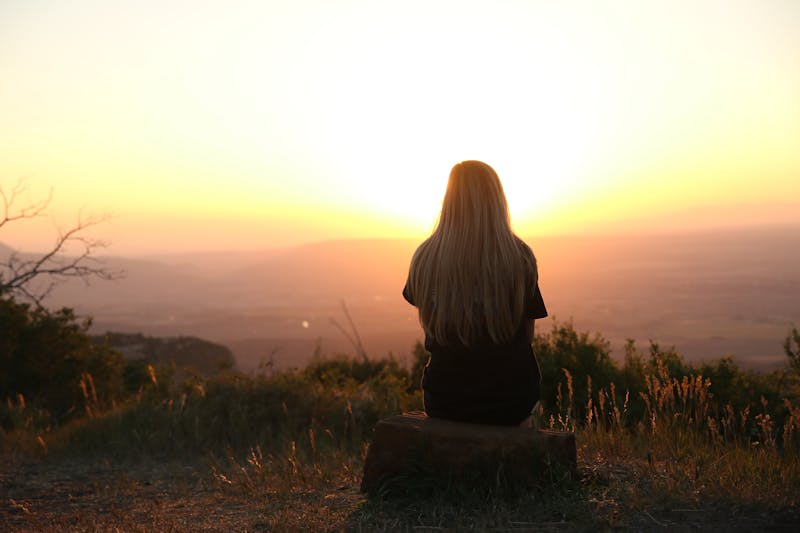
Solitude isn’t loneliness—it’s a lifestyle that can nourish your soul.
In a world that seems obsessed with connection, extroversion, and networking, it’s easy to feel out of place if you’re not the life of the party. But what if you’re simply not into socializing? Is it possible to lead a fulfilling, successful life without constantly surrounding yourself with others?
Absolutely—and here's why.
The Myth of Constant Connectivity
We're often told that happiness comes from strong social ties. While this is true for many, it's not a universal rule. Social media, movies, and even motivational speakers frequently paint the picture that success and happiness are byproducts of an active social life. But this message overlooks the power of solitude and the strength of introspection.
Being unsocial—or more precisely, selectively social—does not mean you're broken or missing out. It means you're tuned into what truly recharges you.
Embracing Your Own Company
People who enjoy solitude often develop a rich inner life. They are deep thinkers, excellent observers, and often more self-aware. Time spent alone can lead to:
- Increased creativity
- Improved problem-solving skills
- Stronger emotional resilience
- Better focus and productivity
Rather than fearing solitude, those who thrive alone often find it to be a source of inspiration and clarity. It’s not isolation—it’s independence.
Redefining Social Norms
Modern society tends to celebrate extroverted behaviors, but introversion isn’t a flaw—it’s a temperament. Just as some people gain energy from being around others, introverts often recharge in quieter, less stimulating environments.
You don’t need to attend every party or join every conversation to be seen or valued. What matters more is meaningful interaction—quality over quantity. A few deep relationships can be far more enriching than a crowded room of acquaintances.
Health and Happiness Without the Noise
Numerous studies show that solitude, when chosen, can be beneficial to mental health. It allows individuals to process emotions, reflect on experiences, and develop stronger self-awareness. For those who prefer limited social interaction, this space becomes vital for mental clarity and peace.
Additionally, people who value solitude often invest in routines and hobbies that nourish them—gardening, writing, painting, reading, hiking. These activities not only support mental health but often lead to long-term fulfillment.
Finding Your Balance
Being a non-social person doesn’t mean cutting off the world. It means setting boundaries that honor your needs. It’s okay to decline invitations, prefer silence over small talk, or take solo vacations. The key is intention—knowing when you need space and when to reach out.
You can still build a strong, rewarding life, filled with love, purpose, and growth—on your own terms.
Living Authentically
There’s a quiet power in living authentically. When you stop forcing yourself into societal molds and start accepting your natural tendencies, life becomes lighter. You no longer need to “keep up” with social expectations. Instead, you create a life rooted in what truly makes you feel alive.
So yes, if you're not a fan of socializing, you can absolutely live well—very well. In fact, you might just discover that your happiest life is one crafted in the calm, intentional rhythm of solitude.