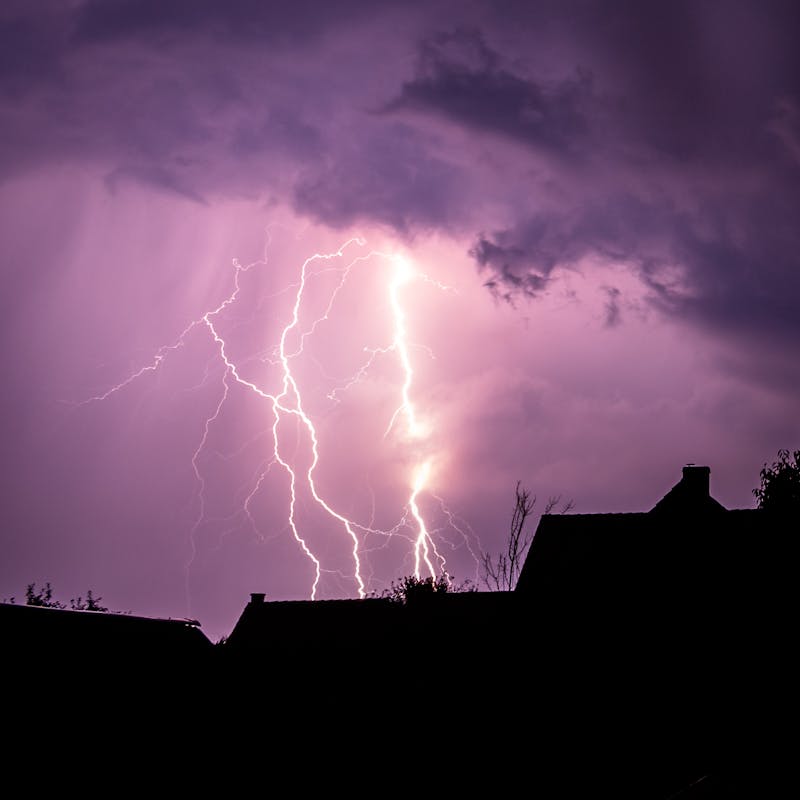
A single bolt of lightning carries enough energy to power a city for a moment—so how did we learn to harness that?
Sparks from the Sky: The Wild Origins of Electricity
Long before lightbulbs lit our streets and devices buzzed in our hands, electricity was a mystery confined to the skies. Thunderstorms crashing overhead, crackling bolts of lightning tearing across the sky—these were once symbols of divine anger or magic. But the spectacle also sparked human curiosity. What was this power, and could we control it?
The fascination with electricity can be traced back to ancient civilizations. The Greeks observed static electricity by rubbing amber with fur. But it wasn’t until the 18th century that electricity began to evolve from a natural wonder into a scientific field. Benjamin Franklin’s famous kite experiment in 1752 proved that lightning was indeed electrical in nature, laying the groundwork for everything that would follow.
From Shock to System: Building the Foundations
The 19th century witnessed the true electrification of human knowledge. Scientists like Alessandro Volta, Michael Faraday, and James Clerk Maxwell helped uncover the principles behind electric currents and magnetic fields. Volta created the first battery, Faraday discovered electromagnetic induction, and Maxwell mathematically unified electricity and magnetism.
This period transformed electricity from a spectacle into a usable force. Engineers began experimenting with the generation and storage of electricity. Innovations like the dynamo allowed for continuous electric generation—crucial for practical use.
Lighting the World: The Age of Invention
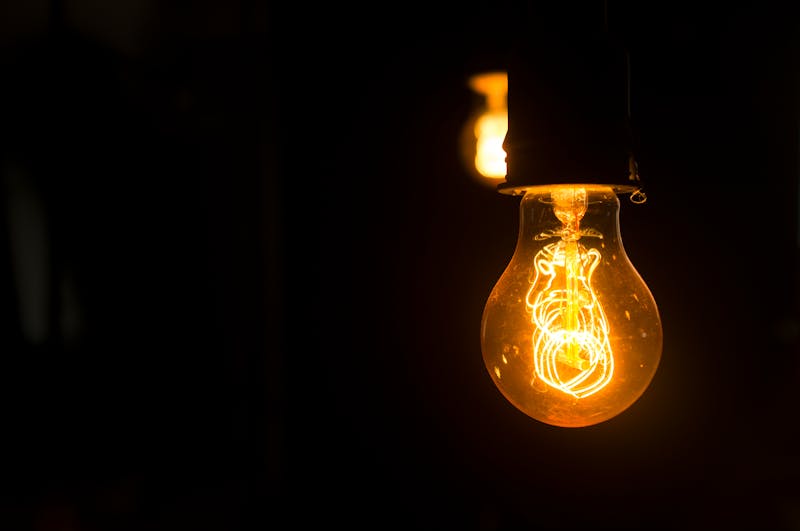
By the late 1800s, the race to electrify society was on. Thomas Edison’s incandescent light bulb, patented in 1879, didn’t invent light from electricity, but made it affordable, reliable, and suitable for home use. Meanwhile, Nikola Tesla and George Westinghouse championed alternating current (AC), which could travel longer distances than Edison’s preferred direct current (DC).
Their rivalry—often called the "War of Currents"—pushed innovation forward. AC eventually won out, laying the foundation for modern electric grids.
From Power Plants to Plug Sockets
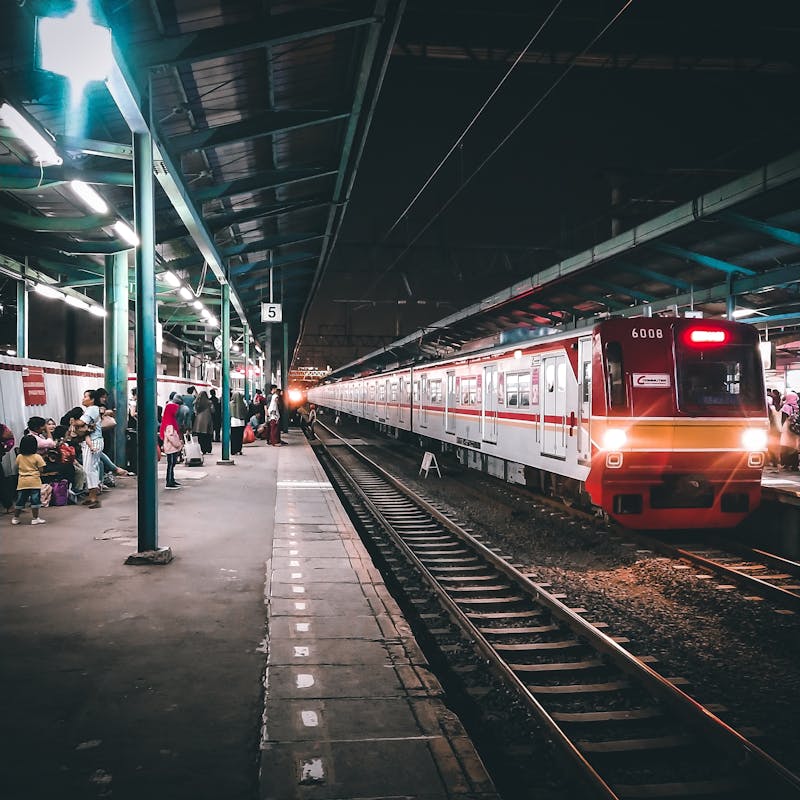
Electricity had moved from sky to socket. Power plants began sprouting across the industrialized world, and electric wires stretched like veins through cities and towns. What was once nature’s unpredictable display was now tamed into a controllable, distributable energy source.
Electricity powered factories, transformed transportation, and revolutionized communication. Telegraphs, telephones, radios, and eventually the internet all owe their existence to this harnessing of natural force.
Lightning in Our Hands: Today and Tomorrow
Today, the idea of capturing a lightning bolt might still be impractical, but the spirit behind it—transforming nature’s chaos into human utility—continues to inspire. Solar panels, wind turbines, and battery storage systems are all extensions of this legacy. We continue to refine how we generate, store, and use electricity with sustainability in mind.
The electrification journey reminds us that every flick of a switch has a legacy: a story that began in the clouds and now powers our daily lives.
Electricity may have started as a spark in the sky, but it has become the heartbeat of modern civilization.