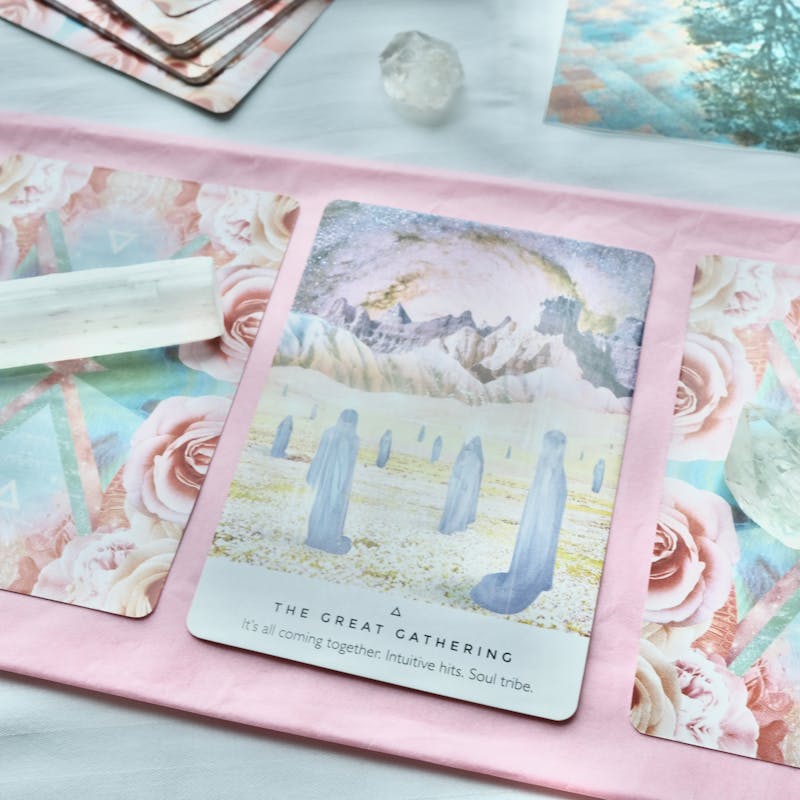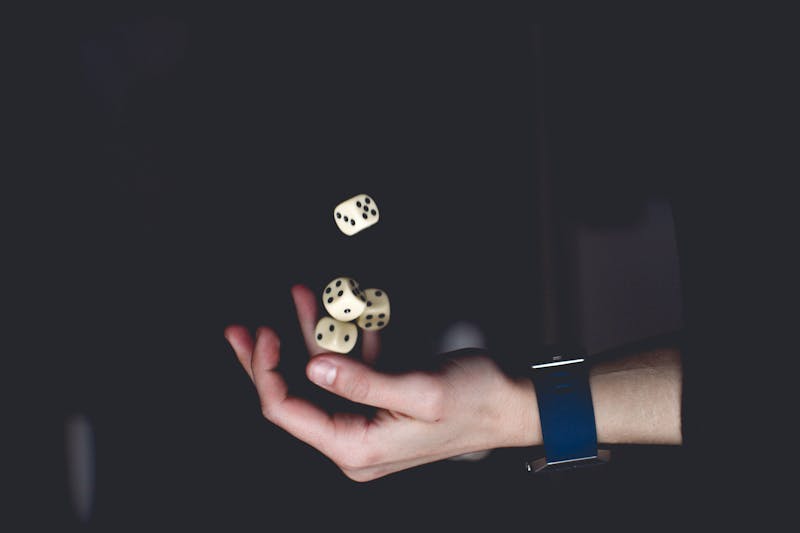
When choosing becomes overwhelming, randomness offers a strangely comforting clarity.
The Rise of Random Decision-Making
In an age of endless options and analysis paralysis, a curious phenomenon is taking root: more and more people are handing their decisions over to chance. Whether it’s flipping a coin to choose dinner or rolling a die to decide which job to take, the act of removing personal responsibility from the decision-making process has become increasingly appealing. But why?
Decision Fatigue in the Digital Era
One of the core drivers behind this trend is decision fatigue. In a world where even choosing a toothpaste brand requires mental bandwidth, our brains are constantly bombarded with choices. Studies have shown that too many decisions throughout the day can deplete our cognitive resources, leading to impulsive or avoidant behaviors. By turning to randomness, people are effectively outsourcing the burden of choice, conserving energy for other tasks.
Escaping the Weight of Responsibility
Another layer of this behavior involves psychological relief. Decisions often come with consequences, and fear of making the wrong choice can be paralyzing. When a coin decides for you, it’s easier to accept the outcome. The emotional load shifts from “I made the wrong call” to “Well, that’s what fate decided.” This subtle shift helps alleviate guilt, regret, and self-doubt—common companions in major life decisions.
The Illusion of Objectivity
Using randomness can also create a sense of neutrality. A random choice feels unbiased, untainted by emotions, fears, or outside pressure. For people who struggle with people-pleasing or indecisiveness, this neutrality can be liberating. It suggests a fair, democratic process—though in reality, it’s just a different form of detachment.
When Randomness Becomes a Crutch
While randomness can be helpful for low-stakes or emotionally overwhelming decisions, relying on it too often may indicate a deeper issue. Chronic indecisiveness, avoidance of accountability, or a fear of failure could be lurking beneath the surface. In such cases, rolling a die isn't just quirky—it’s a coping mechanism that may need further introspection or even professional support.
A Mirror to Modern Life
This shift toward random decision-making reflects the broader anxieties of modern life. We are overwhelmed, overstimulated, and often unsure. In such a context, simplicity becomes seductive. The die, the coin, the random number generator—these aren’t just tools; they’re symbols of a deeper desire for clarity in a chaotic world.
Embracing Balance, Not Abdication
Ultimately, using chance to break a deadlock can be useful, even empowering. It can clarify priorities or push us out of inertia. But it's crucial to distinguish between playful randomness and habitual avoidance. Mindful decision-making requires engagement, not escape. And sometimes, the most courageous choice is taking full ownership of our decisions—even when they scare us.