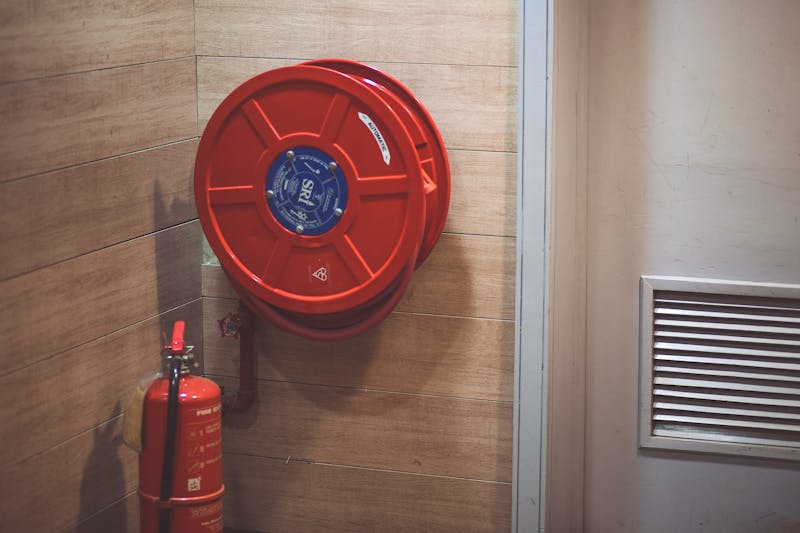
A silent guardian in your home may be aging unnoticed—your fire extinguisher.
The Hidden Risk in Plain Sight
Fire extinguishers are often installed and then forgotten. However, neglecting their maintenance can render them ineffective during emergencies. Regular checks are essential to ensure they function correctly when needed.
Monthly Maintenance: A Simple Routine
Conducting a monthly inspection can be quick and straightforward:
- Visibility and Accessibility: Ensure the extinguisher is easily accessible and not obstructed by furniture or other items.
- Physical Condition: Check for signs of damage such as dents, rust, or corrosion.
- Pressure Gauge: The needle should be in the green zone, indicating proper pressure.
- Safety Seal and Pin: Verify that the tamper seal is intact and the pin is securely in place.
- Hose and Nozzle: Inspect for blockages, cracks, or other damage.
- Label Legibility: Ensure operating instructions are clear and facing outward.
- Shake It Up: For dry chemical extinguishers, gently shake or invert them to prevent the powder from settling.
These steps help maintain the extinguisher's readiness and reliability.
Annual Professional Inspection: A Must
Beyond monthly checks, a certified professional should inspect your extinguisher annually. They will:
- Perform a thorough examination: Checking internal components and overall functionality.
- Recharge or replace: If necessary, to ensure optimal performance.
- Hydrostatic Testing: Depending on the type and age, pressure testing may be required every 5 to 12 years.
Regular professional maintenance ensures compliance with safety standards and prolongs the extinguisher's lifespan.
Understanding Expiration and Replacement
Fire extinguishers are not eternal. Most have a lifespan of 10 to 12 years. Indicators that replacement is needed include:
- Manufacture Date: Typically stamped on the cylinder; if it's over a decade old, consider replacement.
- Physical Damage: Visible signs of wear or damage can compromise functionality.
- Failed Inspections: If professional checks reveal issues that can't be rectified.
Staying aware of these factors ensures your extinguisher is dependable.
Proper Placement: Strategic Positioning
Location matters. Place extinguishers:
- Near potential fire sources: Kitchens, garages, and workshops.
- At exits: Allowing for a safe escape route.
- Mounted at appropriate heights: Typically, no higher than five feet from the floor.
Proper placement enhances accessibility and effectiveness during emergencies.
Educate Household Members: Knowledge is Power
Ensure everyone knows how to use a fire extinguisher. The PASS technique is a simple method:
- Pull the pin.
- Aim low at the base of the fire.
- Squeeze the handle.
- Sweep side to side.
Regular drills and education can make a significant difference during actual emergencies.
Conclusion: Proactive Measures Save Lives
Regular maintenance, professional inspections, and proper education are key to ensuring your fire extinguisher is ready when needed. Don't let neglect turn a safety device into a decorative item. Stay vigilant and proactive in your fire safety measures.