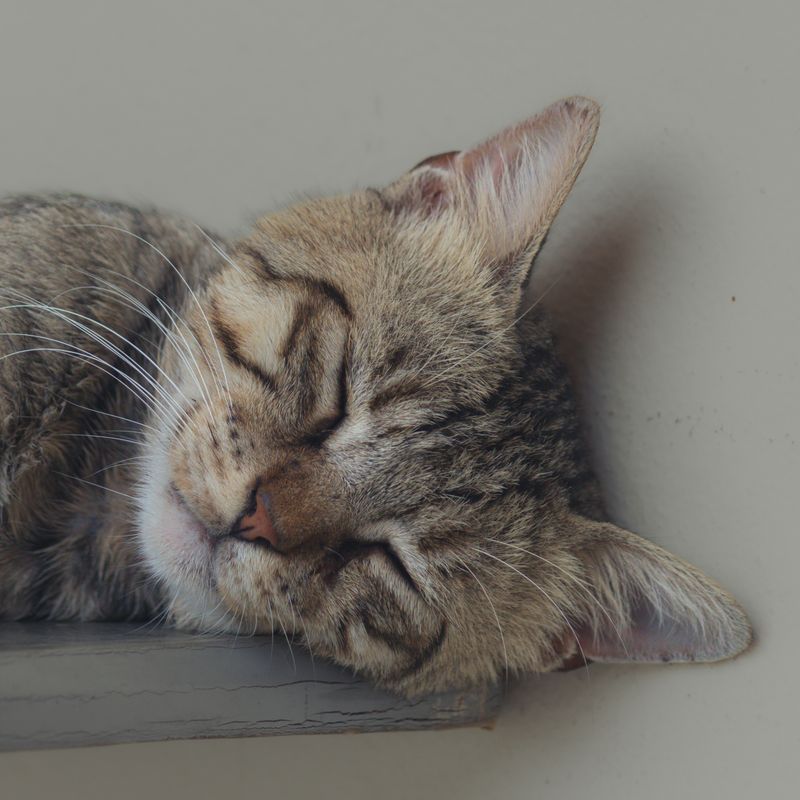
The most common bedtime advice is often the least personal—and that’s why it fails.
Sleep is supposed to be simple, yet many people end up building elaborate routines that still don’t deliver real rest. The problem isn’t effort; it’s misinformation and one-size-fits-all guidance. This is where sleep hygiene myths flourish: rules that sound scientific, get repeated everywhere, and sometimes even help a little—yet miss what actually moves the needle for your brain and body. Here’s a clearer way to think about sleep hygiene: not as a strict checklist, but as a set of levers you can tune to your life, your stress level, and your sleep pattern.
Why sleep advice turns into “rules” so quickly
Sleep is private and invisible. You can’t watch your brain transition into deeper stages the way you can watch a heart rate climb during a run. That makes sleep especially vulnerable to tidy sayings—“no screens,” “eight hours,” “warm milk”—that promise certainty.
The American Academy of Sleep Medicine and other clinical groups emphasize that insomnia and poor sleep are often driven by conditioning (your brain learning that bed equals worry) and hyperarousal (stress, alertness, rumination). In other words, sleep problems aren’t always fixed by adding more rules; sometimes they’re fixed by removing pressure.
So when a tip becomes a moral standard—“If you cared about your health, you’d never look at your phone at night”—it can backfire. Anxiety about sleeping is itself a powerful sleep disruptor.
Sleep hygiene myths that won’t die (and what to do instead)
Some myths have a kernel of truth. Others are outdated. Most are missing the context that makes them useful.
Myth 1: “Everyone needs eight hours.”
The better frame: most adults do best somewhere around 7–9 hours, but individual needs vary.
The National Sleep Foundation’s consensus recommendations place healthy adult sleep in that 7–9 range, not at a single magic number. If you function well with 7 hours and don’t feel sleepy during the day, forcing 8.5 can create more time awake in bed—and more frustration.
Try instead: Track how you feel, not just how long you slept. If you’re alert in the morning, not dozing off unintentionally, and your mood is stable, your target may already be close.
Myth 2: “If you can’t sleep, stay in bed and rest.”
This is one of the most damaging sleep hygiene myths because it teaches your brain that bed is for wakefulness.
CBT-I (cognitive behavioral therapy for insomnia) is widely recommended as a first-line treatment for chronic insomnia, and a core idea is stimulus control: bed should cue sleepiness, not alertness.
Try instead: If you’re awake about 20–30 minutes (don’t clock-watch), get up and do something calm in dim light—read a paper book, fold laundry, listen to something soothing—then return when sleepy.
Myth 3: “Avoid screens at all costs.”
Screen light can delay melatonin timing, and stimulating content can keep you alert. But “never screens” isn’t realistic for many people—and it ignores that not all screen time is equal.
The strongest sleep wins often come from what’s on the screen (work email, arguments, doomscrolling) and what it replaces (wind-down, intimacy, quiet).
Try instead: - Reduce emotional intensity, not just brightness. - Use night mode and lower brightness after sunset. - Set a content boundary: no work messages, no conflict, no news spirals. - If screens are your only downtime, choose something predictable and low-stakes.
Myth 4: “A nightcap helps you sleep better.”
Alcohol may make you drowsy at first, but it tends to fragment sleep later in the night and can worsen snoring and sleep apnea. Many people confuse “falling asleep fast” with “sleeping well.”
Try instead: If you drink, consider timing and dose: earlier and less tends to interfere less. Notice whether you wake at 3 a.m. more on drinking nights—your body may be giving you the answer.
Myth 5: “If you wake up at night, something is wrong.”
Brief awakenings are normal. People often panic because they remember being awake, but forget the stretches they slept.
Try instead: Keep the goal small: return to drowsiness, not perfect sleep. A simple mantra—“awake is normal; I’m safe”—can reduce the adrenaline spike that turns a short wake-up into an hour.
What actually helps: the few levers that matter most
Good sleep hygiene isn’t a personality trait. It’s an environment and a rhythm.
Light is the strongest anchor
Morning light helps set your circadian clock. Evening darkness helps it keep time.
Practical move: Get outdoor light soon after waking (even on cloudy days). In the evening, dim your home lighting and avoid blasting bright overheads late.
Timing beats perfection
A consistent wake time is often more powerful than a perfectly consistent bedtime, especially if you struggle with insomnia.
Practical move: Pick a wake time you can keep most days. Let bedtime float based on genuine sleepiness.
The bedroom should feel like a cue, not a battleground
If your bed has become a place where you think, plan, replay, or dread tomorrow, the room itself can trigger alertness.
Practical move: Keep the bed for sleep and sex. If you routinely watch intense shows in bed, consider relocating that habit to a couch or chair to protect the association.
Temperature and comfort are underrated
Many people sleep better in a slightly cool room. Comfort issues—mattress sag, scratchy sheets, a partner’s snoring—create micro-awakenings that add up.
Practical move: Aim for cool, breathable bedding. If noise is the issue, consider a fan, white noise, or earplugs.
Is it really “bad sleep hygiene,” or is it insomnia, anxiety, or a schedule problem?
Sometimes the question isn’t “Which habit should I add?” It’s “What’s my actual obstacle?”
If you’re lying awake with a racing mind, the bottleneck may be stress physiology, not your lavender spray. If you can sleep on weekends but not weekdays, the issue might be schedule misalignment. If you’re exhausted but wired at night, you might be running on adrenaline.
A large review in The Lancet has described how insomnia is maintained by hyperarousal—heightened cognitive and physiological activation. This is why simply “trying harder” to sleep can be counterproductive.
A quick pattern check
Use the table below to match what you’re experiencing with a more targeted adjustment.
| What you notice | Likely driver | A better first move |
|---|---|---|
| You fall asleep fast but wake at 3–4 a.m. | alcohol, stress, early circadian timing | reduce evening alcohol; earlier wind-down; morning light |
| You feel sleepy on the couch but alert in bed | conditioned arousal | stimulus control: get up when wide awake |
| You can’t fall asleep because you’re thinking | rumination, anxiety | a short “worry window” earlier; calming routine; CBT-I tools |
| You sleep in on weekends and struggle Sunday night | social jet lag | keep wake time steadier; get outside early |
| You snore, gasp, or feel unrefreshed despite hours in bed | possible sleep apnea | talk to a clinician for evaluation |
A realistic wind-down that doesn’t become another performance
The best routine is the one you’ll still do on a stressful Tuesday.
Here’s a short checklist that supports sleep without turning bedtime into a test.
- 90 minutes before bed: lower the lights; finish heavy meals if possible.
- 60 minutes before bed: choose one “off-ramp” activity (shower, stretching, easy reading, calm music).
- 30 minutes before bed: remove decisions—set clothes, set the coffee, write tomorrow’s top three.
- In bed: if your mind revs, try a simple body scan or slow breathing; if you’re wide awake, get up briefly.
Two small upgrades that help many people: - Keep your phone out of reach (not necessarily out of the room). The goal is reducing impulsive checking. - If you’re a clock-watcher, turn the clock face away. Time pressure is rocket fuel for insomnia.
The quieter truth behind sleep hygiene myths
Many myths persist because they offer control. If sleep feels unpredictable, rules feel comforting. But sleep isn’t a task you complete; it’s a state your body permits when conditions are right.
That’s why the most useful approach is often gentle and experimental: anchor your mornings with light, protect your bed-sleep association, keep a steady wake time, and stop escalating your routine every time you have a rough night. The aim isn’t to win at sleep—it’s to make sleep feel safe, ordinary, and boring again.
If your current habits mostly work, you don’t need to chase perfection. And if they don’t, the answer may not be more “hygiene” at all—it may be learning how to reduce the mental effort you’re bringing to bed.