The best trips don’t rush; they settle in.
Slow travel is a simple idea with surprisingly deep rewards: spend more time in fewer places, and let the destination shape your days instead of a checklist. These slow travel tips are for anyone who’s tired of sprinting through landmarks and wants trips that feel calmer, more personal, and easier to remember. The goal isn’t to “do nothing”—it’s to do fewer things with more attention.
Why slow travel feels different
Slow travel trades constant motion for presence. When you stay put long enough, the city (or coastline or small town) stops being a backdrop and starts acting like a neighbor. You learn what the mornings smell like, which corner store keeps the best fruit, and how the light changes on a familiar street.
It also shifts what you bring home. Instead of a blur of photos, you return with a handful of moments that have weight: a long conversation with a café owner, a routine walk you did every evening, the comfort of knowing how the bus system works without checking your phone.
What are the most practical slow travel tips to start with?
Start by choosing fewer stops and staying longer—three to seven nights in one base is often enough to feel the difference. Then build your days around one “anchor” activity and leave open space around it.
If you’re used to fast itineraries, this can feel like you’re under-planning. In practice, you’re giving your trip room to breathe, and you’re protecting energy for the parts you can’t schedule: the unexpected festival, the recommendation from a local, the afternoon you realize you simply want to sit.
Pick a base that makes everyday life easy
A good slow-travel base isn’t necessarily the most scenic neighborhood; it’s the one that reduces friction. Look for:
- Walkable streets where you can do errands without thinking
- A local market or grocery nearby
- Simple transit connections to day trips
- One “comfort spot” (park, café, waterfront) within ten minutes
When daily logistics are easy, you stop spending your best hours navigating. That’s when a place begins to feel familiar, even if you’re only there for a week.
Plan less, but plan the right things
Slow travel isn’t anti-planning—it’s selective planning. Book what truly needs booking (a popular museum time slot, a train you can’t miss, a small-group cooking class). Then let the rest stay flexible.
A useful rhythm is one commitment per day, preferably earlier. Mornings provide structure; afternoons can be for wandering, reading, revisiting a favorite street, or doing nothing without guilt. The calm you protect becomes the most valuable part of your itinerary.
Travel by ground when you can
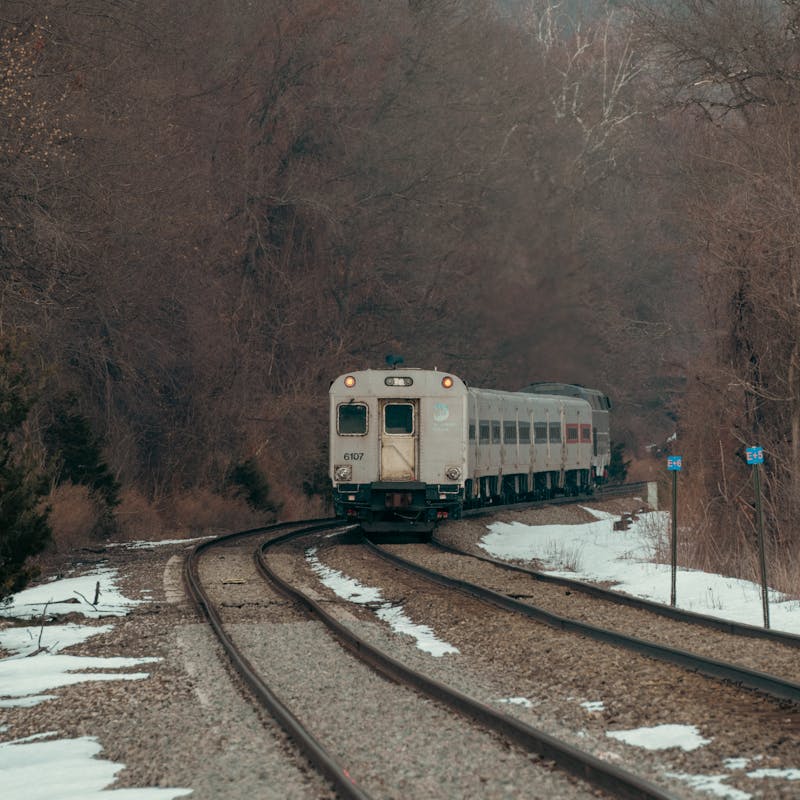
If time allows, trains and buses do more than reduce airport hassle. They keep you connected to the geography between places—the gradual changes in architecture, farmland, dialect, and light.
Even within a region, choose routes that encourage continuity. A two-hour train to a nearby town for a day trip can feel like part of the experience rather than a necessary transfer. And arriving in the center of town, not on the edge of an airport highway, sets a different tone.
Build small rituals that make a place yours
Rituals are how a destination stops being anonymous. Pick one or two and repeat them:
- The same bakery each morning
- A sunset walk on a consistent route
- A weekly market visit where you buy a familiar ingredient
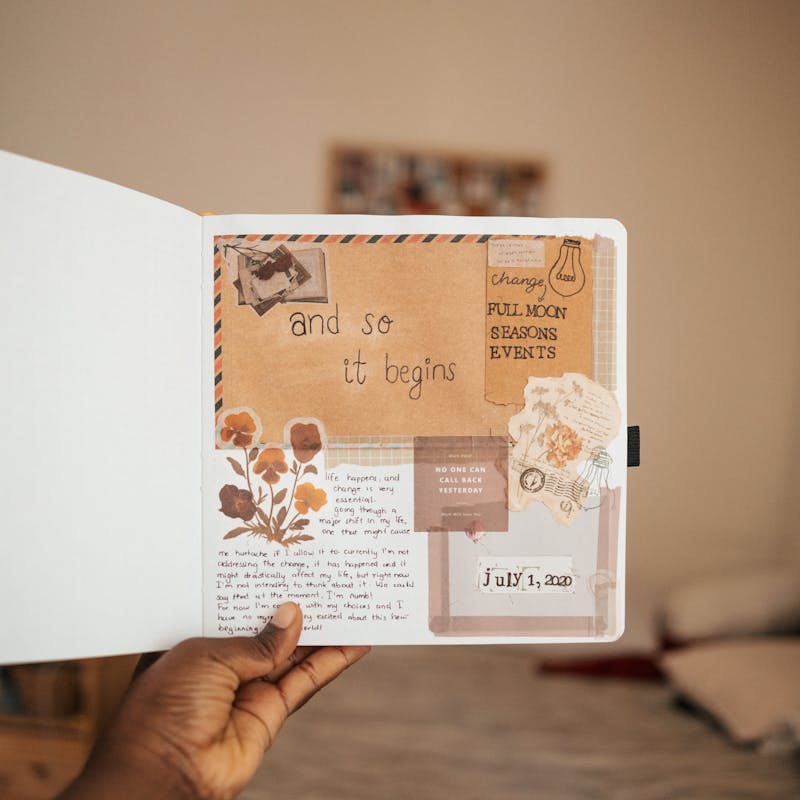
- A journal entry at the same bench or café table
These habits don’t sound “touristy,” and that’s the point. They create personal continuity, the feeling that your time there has chapters instead of scattered scenes.
Eat like you live there, not like you’re performing travel
It’s tempting to chase the “best” restaurants in a city—especially with social media nudging you toward the greatest hits. Slow travel gives you permission to find the food you’ll actually crave on day five.
Mix standout meals with ordinary ones: simple noodles from a neighborhood spot, fruit from the market, a picnic, a lunch menu you return to. Repetition teaches your palate what the region truly tastes like beyond the headline dishes.
Let curiosity beat optimization
Fast travel often turns into an efficiency game: the shortest route, the top-rated attraction, the most famous photo angle. Slow travel asks a quieter question: what pulls you?
Follow small curiosities. A side street with interesting balconies. A bookstore window. A community noticeboard advertising a local concert. When you stop trying to “win” the destination, you start noticing details that weren’t designed for visitors.
Make room for conversation—without forcing it
Meaningful travel isn’t measured by how many locals you meet, but slow travel increases the chances of natural interaction. Familiarity helps. When you return to the same places, people recognize you, and small talk becomes real talk.
Choose settings that invite gentle connection: a class, a neighborhood café, a volunteer afternoon, a walking tour in the first days (so you can revisit areas later on your own). And remember that listening is often the most respectful form of participation.
The souvenir you’re really collecting
The best slow travel tips aren’t hacks; they’re reminders to protect time. When you stay longer, you learn what you like about a place beyond the highlights—and what you like about yourself when you’re not rushing.
Long after you’ve unpacked, what remains is rarely the checklist. It’s the sense of having belonged somewhere briefly, in a modest way: knowing the route home at dusk, recognizing faces, understanding how a day naturally unfolds. That kind of travel doesn’t just show you a destination. It quietly changes the pace you accept everywhere else.