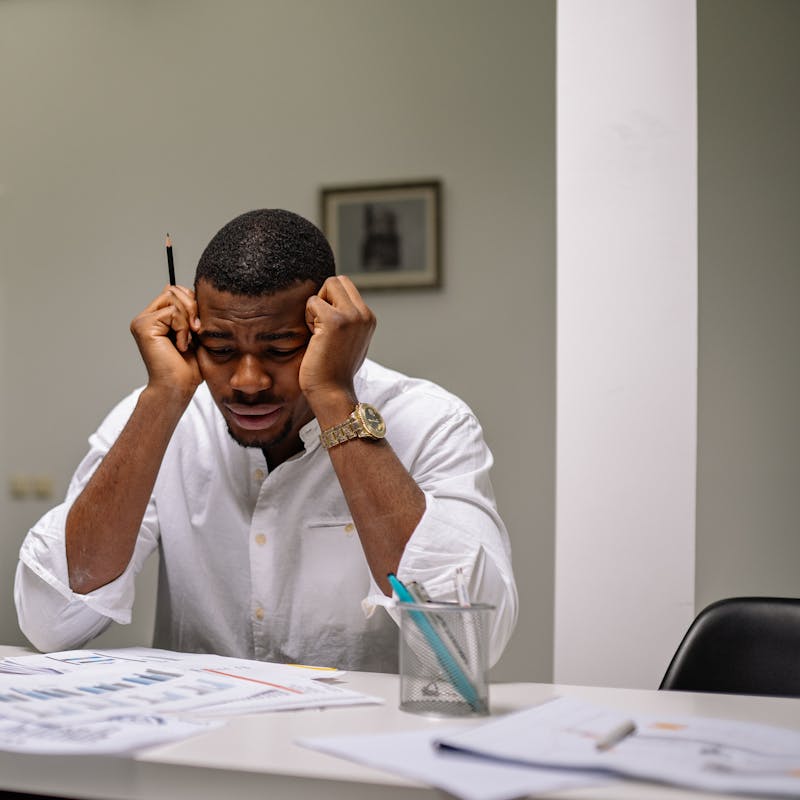
Anxiety doesn’t always feel like panic; sometimes it just feels like “Tuesday.”
The subtle signs of anxiety are easy to miss because they often masquerade as personality, stress, or a busy season of life. Many people imagine anxiety as racing thoughts and obvious fear, but for plenty of us it shows up as habits, body sensations, or small shifts in how we move through the day. Noticing these quieter signals can help you name what’s happening sooner, choose gentler coping strategies, and decide whether it’s time to talk with a professional.
Why the subtle signs of anxiety are so easy to overlook
Anxiety is a protective system that’s doing its job a little too intensely. When your brain keeps scanning for potential problems, it can make “preparedness” feel normal—until your baseline becomes tension.
What makes it tricky is that subtle anxiety often looks productive from the outside. You’re early, you’re thorough, you’re careful. Inside, though, that carefulness may be fueled less by preference and more by a need to prevent something bad from happening.
What are subtle signs of anxiety?
They’re small, persistent cues—mental, physical, or behavioral—that suggest your nervous system is stuck in a higher-alert setting than you’d choose. Often, the giveaway isn’t a single symptom; it’s the pattern: the same coping moves repeating even when the situation doesn’t truly require them.
A useful rule of thumb: if a habit is meant to bring relief but keeps shrinking your comfort zone, anxiety may be driving.
When “being responsible” is actually reassurance-seeking
A common quiet marker is the urge to re-check, re-read, or re-confirm. You may find yourself sending an extra follow-up message, reviewing a work email five times, or replaying a conversation to make sure you didn’t sound “wrong.”
This isn’t laziness or incompetence—it’s your brain trying to buy certainty. The relief is real, but it tends to fade quickly, which leads to more checking.
The body whispers before it shouts
Not all anxiety feels like fear; sometimes it feels like physiology. People often dismiss these sensations as caffeine, sleep debt, or “just getting older,” but they can be part of the same stress response.
You might notice:
- Shallow breathing or frequent sighing, as if you can’t quite get a full breath
- Jaw clenching, tooth sensitivity, or waking with a tight face
- A tight chest or “stuck” feeling in the throat when you’re not overtly upset
- Stomach unease, appetite changes, or a sudden need to use the bathroom before ordinary events
The key detail is timing: symptoms that spike around meetings, texts, errands, or decisions can be anxiety in disguise.
Irritability and perfectionism: the socially acceptable masks
Anxiety is often portrayed as worry, but it can also present as friction. When your internal system is over-activated, small interruptions can feel like threats to the fragile order you’re trying to maintain.
Perfectionism can serve the same purpose. If everything is done “right,” nothing can go wrong. The cost is that the bar keeps moving, and rest starts to feel undeserved.
Avoidance that doesn’t look like avoidance
Many people think avoidance means skipping big things—canceling trips, refusing social events. Subtle avoidance is quieter: you still show up, but you build small escape hatches.
Maybe you choose seats near the exit, keep conversations surface-level to avoid being judged, or over-plan your route so you never feel lost. Maybe you delay a doctor’s appointment, a difficult email, or a money decision—not because you don’t care, but because the emotional surge feels too heavy.
Avoidance isn’t a moral failure; it’s a short-term regulation strategy. It just becomes a problem when it becomes your default.
Sleep that looks “fine” but isn’t restorative
Some anxious sleepers fall asleep quickly from exhaustion, then wake up too early with a mind that boots up like a laptop. Others sleep a full night yet feel unrefreshed, because their body spent hours in a light, vigilant state.
You may also notice a bedtime pattern: scrolling longer than you want, putting off sleep, or needing a show/podcast to drown out thoughts. These aren’t simply bad habits; they can be attempts to avoid the quiet where worries get loud.
Social overthinking and the post-conversation replay
One of the most common subtle signs of anxiety is the mental “audit” after everyday interactions. You analyze your tone, wonder if you overshared, reread a text for hidden meaning, or assume a delayed reply signals disapproval.
This is especially common for people who learned early that social safety depends on being agreeable, funny, useful, or low-maintenance. The anxiety isn’t always about the other person—it’s about the fear of misstepping.
Is it anxiety—or just stress?
Stress is usually tied to a specific pressure and eases when the pressure lifts. Anxiety can linger even when things are objectively okay, because it’s oriented toward what might happen.
If you notice your mind constantly trying to predict, prevent, or control—especially in low-stakes situations—that points more toward anxiety than ordinary stress.
Small ways to respond without fighting yourself
You don’t have to “fix” your personality to soothe anxiety. Often, progress looks like micro-adjustments that teach your nervous system it’s safe.
Try experimenting with:
- Labeling the pattern: “This is my checking loop,” or “This is the replay.” Naming reduces fusion with the thought.
- One notch less: send the email after two proofreads instead of five; stay an extra minute before escaping.
- Body-first cues: longer exhales, loosening the jaw, unclenching hands, or a brief walk to discharge adrenaline.
- Values over certainty: choose the action that matches who you want to be, even if you can’t guarantee the outcome.
If symptoms are persistent, worsening, or interfering with relationships, work, or sleep, it can help to talk with a licensed mental health professional. Support isn’t reserved for crises.
A quieter definition of strength
The subtle signs of anxiety don’t mean you’re broken; they often mean you’ve been carrying a lot, for a long time, with impressive skill. The shift happens when you stop treating tension as the price of being functional.
With practice, you can learn to recognize the early signals—before your body has to raise its voice—and build a life where calm isn’t something you earn, but something you’re allowed to have.