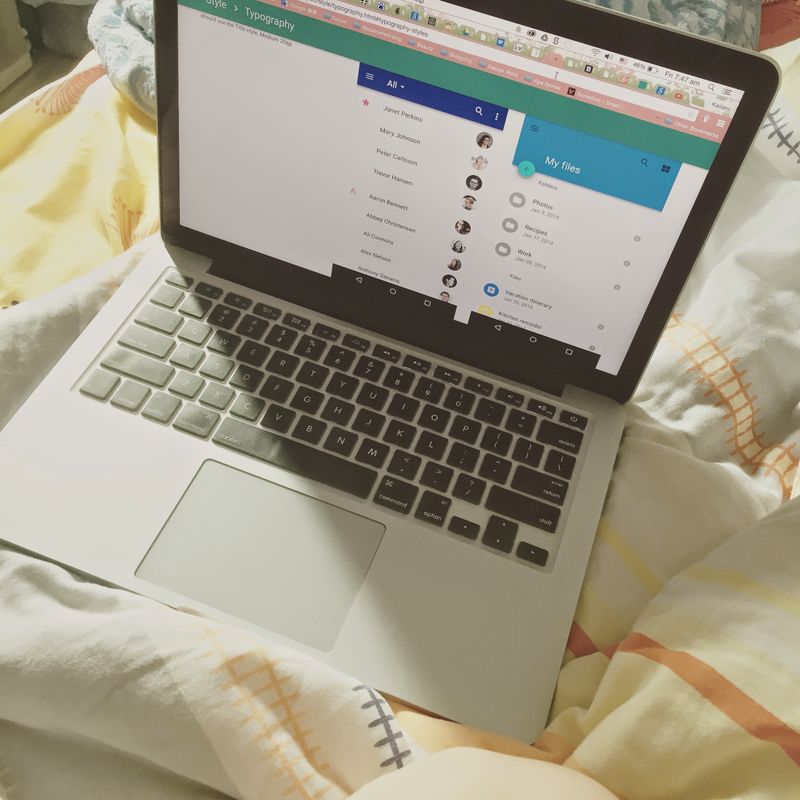
A remote internship can look like freedom—until you realize you still need a plan.
Remote work didn’t just change where jobs happen; it changed how early careers get built. If you’re searching for remote internship opportunities, you’re likely hoping to gain experience without relocating, juggling a heavy class schedule, or draining savings on a summer in an expensive city. That’s realistic—but only if you understand what remote internships actually reward, what they quietly punish, and what many students misunderstand before they ever hit “Apply.”
The biggest mistakes aren’t about talent. They’re about assumptions: that remote means easier, that any internship equals a resume win, or that “networking” online is optional. Remote internships can be career-defining, but they’re not self-driving.
The myth: Remote internships are more flexible (and therefore easier)
Remote internships often are more flexible. But flexibility is not the same as ease.
When you’re not in an office, nobody sees you arriving early, staying late, or helping a teammate in the moment. Your effort has to translate into visible output: clear updates, shipped work, and reliable follow-through. For many students, that’s a new muscle—and it’s why remote internships can feel strangely intense even at 15–20 hours a week.
A useful mental model is this: in-person internships reward presence; remote internships reward proof.
If you assume remote equals casual, you may under-communicate, miss deadlines by “a day or two,” or wait too long to ask questions. Those small moves compound quickly when your manager has five meetings and your Slack message gets buried.
What makes remote internship opportunities actually valuable?
They’re valuable when they put you close to real work and real feedback—regardless of location. The best remote internships don’t just assign tasks; they create an environment where you can learn how professionals think.
In practice, strong remote internship opportunities tend to share a few traits:
- A defined project with a deliverable (a report, a feature, a design system update, a research brief).
- Regular feedback loops (weekly 1:1s, code/design reviews, documented comments).
- Access to context (you’re invited to meetings that explain “why,” not just handed “what”).
- A communication culture where asking questions is expected, not penalized.
This matters because internships are not just skill-building—they’re signal-building. A “remote internship” that has you doing disconnected busywork may fill a line on a resume, but it won’t generate the stories, metrics, or references that actually move your career forward.
A quick reality check: remote can increase competition
Remote roles often attract applicants from a much wider geography. That means more resumes, more high performers, and sometimes more sophisticated screening. Many students underestimate this and apply with generic materials.
If you’re applying to remote roles, assume you’re competing with students who already know how to write concise updates, build small portfolios, and interview on video without rambling.
What students get wrong about “networking” when the office is a laptop
Students often treat networking like an optional add-on—something you do only if you’re extroverted or only if you want a job at that exact company later.
In remote internships, networking is infrastructure.
Without hallway moments, your relationships must be deliberate. That doesn’t mean forced coffee chats every day. It means you create enough human connection that people remember you, trust you, and can vouch for you.
A helpful anchor here: according to a widely cited finding from the U.S. Bureau of Labor Statistics (often referenced in career guidance), a large share of jobs are filled through networking and referrals rather than open applications. The exact percentage varies by industry and time, but the implication is consistent—relationships matter.
Here’s what remote networking looks like when it’s effective:
- You ask your manager who the “go-to” person is for a system or domain, then introduce yourself.
- You join one optional meeting a week that helps you understand the business.
- You keep a short “wins and learnings” note you can share in 1:1s.
- You thank people specifically (“Your feedback helped me tighten the analysis section and reduce the deck by three slides”).
These aren’t social tricks. They’re professional habits that create visibility without self-promotion.
A comparison students rarely make: Remote vs. in-person internships
Not every student should prioritize remote, and not every remote role is worth the trade-offs. The right choice depends on how you learn, what support you need, and what you’re trying to prove.
| Factor | Remote internship | In-person internship |
|---|---|---|
| Learning by observation | Harder (you must ask for context) | Easier (you overhear and watch) |
| Visibility | Earned through communication + outputs | Often aided by physical presence |
| Independence | High—self-management is essential | Medium—structure is built-in |
| Mentorship access | Strong if the company designs for it | Strong if your team is engaged |
| Cost & location | Often cheaper; no relocation | May require housing/commute |
| Networking | Requires intentional outreach | More organic moments |
If you thrive with structure and learn best by watching, a fully remote internship may feel isolating unless the program is very well-run. If you’re self-directed and comfortable documenting your work, remote can be a powerful advantage.
The hidden curriculum: communication, documentation, and pace
Students often focus on “skills” like Python, Figma, Excel, lab techniques, or policy research. Those matter. But in remote internships, the hidden curriculum is how you work.
One reason remote work can be productive is fewer interruptions—but that also means you’re expected to manage your own pace. A major 2023 report from Gallup on the state of the workplace has consistently emphasized how engagement and clarity from managers shape performance. In remote settings, clarity doesn’t happen by accident; it happens through written goals, check-ins, and expectations.
Three habits separate interns who thrive remotely from those who get lost:
1) Over-clarify the task before you start
Before spending six hours on something, confirm: - What does “done” look like? - Who is the audience? - What’s the deadline (and the real deadline)? - Is there an example of a “good” version?
A two-minute clarification message can save a day of rework.
2) Write things down as if someone will inherit your work
Documentation sounds boring until you’re asked to explain what you did—or until your manager wants to reuse it.
Keep a simple trail: - A short weekly update - Links to drafts - Notes on decisions and trade-offs
This turns your internship into proof you can point to later.
3) Communicate progress, not just problems
Many students only message when they’re stuck. Strong remote interns message when they’re moving.
A solid update is short and structured: - What I did - What I’m doing next - Where I need input
That’s it. No dramatic storytelling required.
How to spot bad remote internship opportunities before you accept
Some internships are poorly designed, and remote can amplify that. The red flags are usually visible early if you know what to ask.
Red flags during recruiting
- The role description is vague (“assist with various tasks”) with no learning goals.
- You can’t tell who you’d report to.
- Interviews focus on free labor (“How many hours can you give us?”) more than growth.
- Communication is inconsistent before you even start.
Questions that reveal quality (without sounding suspicious)
Ask these in a practical tone: - “How do interns typically receive feedback on their work?” - “What would a successful first month look like?” - “How does the team communicate day to day—Slack, email, standups?” - “Will I have a project with a final deliverable?”
If the answers feel improvised, the internship may be improvised too.
A checklist for getting more out of a remote internship
If you land one of the many remote internship opportunities out there, your goal isn’t to be “busy.” It’s to produce outcomes you can translate into a portfolio, a stronger resume, and confident interviews.
Use this simple checklist to steer your weeks:
- In week one, write down three learning goals (technical, communication, industry knowledge).
- Schedule recurring 1:1s or confirm when feedback will happen.
- Pick one thing to own (a dashboard tab, a research section, a QA checklist, a small feature).
- Send a weekly update with bullets and links.
- Collect artifacts: before/after drafts, screenshots, metrics, notes on decisions.
- Ask for one stretch task halfway through.
- Request a short feedback summary near the end so you can improve fast.
This isn’t about being perfect. It’s about leaving with evidence.
Why the best remote interns treat time zones like part of the job
Time zones are one of the most underestimated challenges. Students imagine remote as “work whenever,” then realize their team’s key meeting is at 8 a.m. or 9 p.m.
Great remote interns do two simple things: - They learn the team’s rhythm (when decisions happen, when reviews occur). - They plan deep work around collaboration windows.
If your team is distributed, your reliability becomes a form of trust. Showing up consistently—especially for reviews and handoffs—matters more than being constantly online.
The quiet upside: remote internships can teach you how modern careers really run
Here’s the part students don’t always appreciate: remote internships can be unusually realistic.
Many professional teams now operate across cities and time zones, even when they have offices. Work is tracked in project tools, decisions are recorded in docs, and collaboration happens in threads. Learning how to write clearly, manage your own workload, and ask good questions is not a workaround—it’s a core career skill.
If you approach remote internship opportunities with the right expectations, they can do something powerful: they can make you feel employable before you have a diploma in hand.
Not because you “worked from home,” but because you learned how to deliver, communicate, and build trust when nobody is watching. And that’s a kind of professionalism that tends to travel well—into your next interview, your first job, and whatever hybrid future shows up after that.