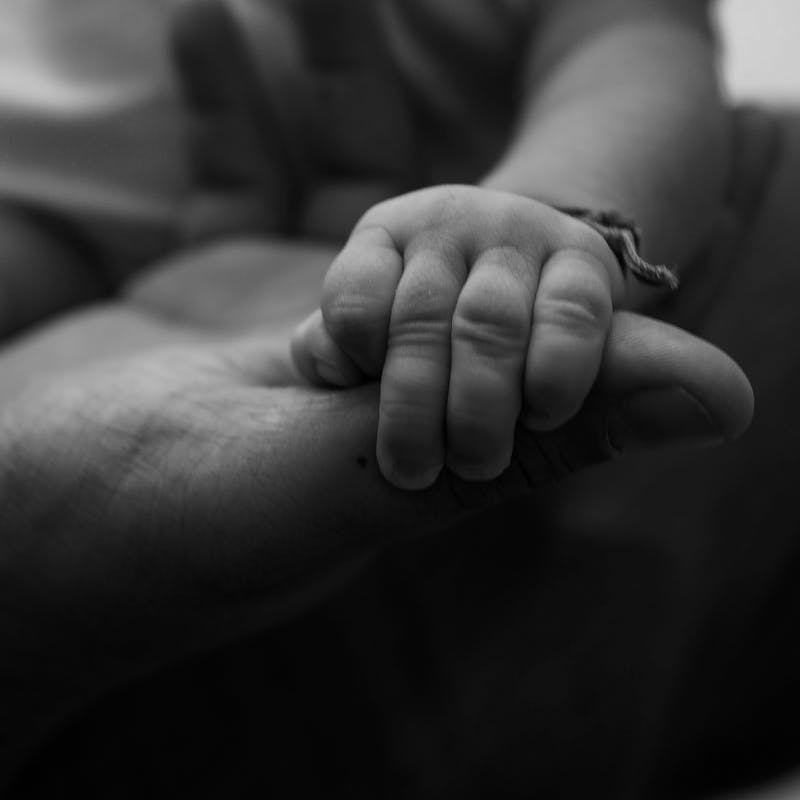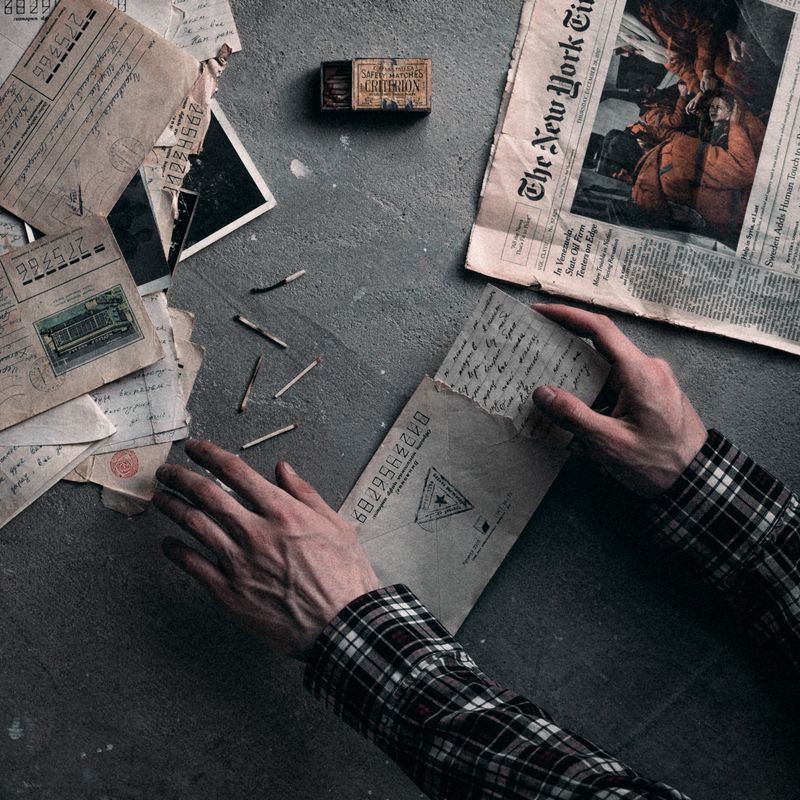
Every family keeps a few rooms locked, even from itself.
Hidden family stories aren’t just juicy secrets or old scandals; they’re the quiet, half-told narratives that shape how people love, argue, spend money, raise kids, and grieve. Some are deliberately buried. Others fade through silence, distance, or “we don’t talk about that” habits that become tradition. The value in looking closer isn’t gossip—it’s understanding: why certain patterns repeat, why some topics feel charged, and how a missing chapter can change the meaning of everything that came after.
A surprising number of families carry these gaps. In the United States, consumer DNA testing has drawn tens of millions of people into genetic genealogy, and many discover unexpected relatives or parentage along the way—proof that what feels “known” in a family can be more fragile than it seems. At the same time, researchers in psychology and family therapy have long observed how intergenerational stress and unspoken trauma can echo through behavior and relationships, even when the original story is never named.
The many forms of hidden family stories (and why they’re hidden)
Most people imagine one kind of secret: an affair, an adoption, a crime. In reality, the most influential hidden stories can be mundane on the surface.
Sometimes it’s a missing context: why a grandparent never spoke to a sibling again, why a parent panics when bills arrive, why certain holidays trigger tears. Without the story, later generations often invent explanations—“she was just cold,” “he was always angry”—and those explanations become identity.
Other times it’s a strategic silence. Families hide what they think will protect children, preserve reputations, or keep everyone functional:
- A psychiatric hospitalization rebranded as “a rest.”
- A bankruptcy softened into “a bad year.”
- A miscarriage or stillbirth erased because grief made everyone uncomfortable.
- A change of surname that begins as survival and ends as confusion.
And then there are structural reasons secrets flourish. Immigration can break paper trails. War can reorder names, dates, and allegiances. Racism and discrimination can force people to pass, conceal heritage, or hide relationships. Even family photos can mislead: the smiling faces don’t show who was missing from the room.
Hidden stories aren’t always malicious. They’re often an attempt at safety—just one that becomes costly over time.
What makes hidden family stories so powerful?
They shape behavior because they shape meaning. When a family avoids a topic, the avoidance itself becomes a lesson: some truths are dangerous; some emotions are too much; some questions are disloyal.
Family therapists have long described how secrecy can warp roles inside a household—who becomes the “responsible one,” who becomes the distractor, who learns to read moods like weather. Research on adverse childhood experiences (often discussed through the CDC-Kaiser ACE study) helped bring mainstream attention to how early stress can correlate with later health and mental health outcomes. The point isn’t that every secret becomes an “ACE,” but that unresolved stress has consequences, and secrecy can be a delivery system for unresolved stress.
There’s also a cognitive element. Humans are storytelling creatures; we can tolerate pain more easily than we can tolerate confusion. When a family history has holes, people fill them with guesses—sometimes harsher than reality.
A father who left might become a villain in the imagination, even if the truth is addiction, untreated depression, or coercion. A relative who “never visited” might have been barred by a controlling spouse. The absence of facts invites myth.
How secrets travel: the small behaviors that carry big histories
You don’t have to hear the original story for it to influence you. It can pass through tone, routines, and rules—what’s joked about, what’s forbidden, what gets you praised.
The inheritance of rules
Some families inherit practical rules that once made sense:
- Don’t trust banks.
- Always keep cash at home.
- Never talk to police.
- Never invite outsiders in.
If you grew up with these rules but never learned their origin, you might interpret them as personality traits—“we’re private,” “we’re cautious”—rather than adaptive strategies built around a specific historical fear.
The inheritance of emotions
Other families inherit emotional patterns:
- Anger that shows up whenever vulnerability is near.
- Humor that arrives right before tears.
- A craving for closeness paired with a fear of dependency.
These patterns can feel “genetic,” but they’re often the shadow of earlier events: a betrayal, a loss, an illness, a migration, a rupture.
The inheritance of gaps
Sometimes the most telling thing is what’s missing: no baby photos for one child, no mention of a certain town, no stories about the years between 1939 and 1945, no details about how two people met. Gaps are a kind of language.
A practical way to approach your own family’s missing chapters
Curiosity is powerful, but it isn’t automatically kind. The goal isn’t to force confessions; it’s to invite clarity while respecting that some relatives carry real fear or shame.
Here’s a gentle checklist that tends to produce better outcomes than a blunt interrogation:
- Start with what you know. Write down names, approximate dates, locations, and family relationships as you’ve heard them.
- Notice where the story gets fuzzy. Identify the years, relationships, or events that are consistently glossed over.
- Ask for memories, not verdicts. “What do you remember about that time?” lands better than “What really happened?”
- Use neutral language. Replace “secret” with “something I don’t understand yet.”
- Interview more than one person. Families don’t share a single memory; they share competing ones.
- Look for records that reduce pressure. Census entries, obituaries, yearbooks, military draft cards, church registries, local newspapers.
- Set boundaries for yourself. Decide what you’ll do if the story is painful: pause, journal, talk to a therapist, or stop digging.
- Ask permission before sharing. Even true stories can harm if they’re told carelessly or publicly.
If DNA testing is part of your search, it helps to treat it like any other powerful tool: it can clarify relationships, but it can also detonate assumptions. Consider discussing the possibility of unexpected results with close family members before you test, especially if elders may be affected.
Is it worth uncovering hidden family stories?
Often yes—but not always in the way people expect. The most common benefit is not a dramatic reveal; it’s relief. Knowing the real shape of the past can release you from carrying someone else’s unspoken burden.
That said, “worth it” depends on timing, support, and stakes. Some truths open doors; others open wounds.
When digging tends to help
Uncovering family history is more likely to be constructive when:
- You’re trying to break a repeating pattern (addiction, estrangement, financial chaos).
- Medical history matters for screening and prevention.
- You suspect a story has been distorted in a way that harms someone.
- You can approach it with compassion instead of a need for punishment.
When caution is wise
It may be better to slow down when:
- A relative’s safety could be compromised.
- You’re seeking a single “villain” to make the past tidy.
- You’re already in crisis and don’t have emotional support.
If you’re unsure, think in terms of capacity: Do you have the time, stability, and help to hold what you might learn?
Common categories of family secrets—and what they change
Not all hidden stories carry the same emotional weight. Some are primarily informational; others challenge identity.
| Type of hidden story | What it often affects | Typical clues | A careful next step |
|---|---|---|---|
| Parentage/adoption or “NPE” (not parent expected) | Identity, belonging, medical history | inconsistent dates, avoidance of baby photos, DNA surprises | prioritize privacy; consider a counselor before contacting new relatives |
| Financial collapse (debt, bankruptcy, lost property) | Money habits, risk tolerance, shame | extreme frugality, secrecy around bills, fear of institutions | ask about “hard years” and what helped them cope |
| Estrangement and family rifts | Trust, loyalty tests, conflict styles | “we don’t talk to them,” missing names in stories | ask for multiple perspectives; don’t recruit yourself into the feud |
| Illness and mental health | Health choices, empathy, stigma | euphemisms (“nervous breakdown”), hidden meds, missing years | focus on care and facts rather than blame |
| Migration, war, and survival decisions | Identity, values, inherited fear | changed names, lost documents, vague origin stories | research records first; ask about places and daily life |
The table can’t capture the nuance, but it highlights a central truth: secrets aren’t just about what happened—they’re about what later generations were trained to fear.
The ethics of knowing: truth, privacy, and the living
There’s a romance to uncovering the past: the photo box, the attic trunk, the sudden recognition in an old face. But families are made of living people, not just evidence.
A useful ethical question is: Who does this truth serve—and who could it harm? Sometimes the harm is obvious (outing someone, exposing abuse without a safety plan). Sometimes it’s subtle (turning a relative into the villain of a story that had coercion, poverty, or limited choices).
Even when you have a right to know your origins, you may not have the right to publish someone else’s trauma. Sharing within a family is different from posting publicly. Memory is already fragile; public storytelling can freeze a version of events that others can’t correct.
If you’re the one holding a secret, there’s also an ethical dimension to silence. Children often sense when something is wrong; secrecy can teach them to distrust their own perception. In many cases, a carefully timed, age-appropriate truth is kinder than a lifelong fog.
What happens after you learn the story
The reveal is rarely the end. It’s the beginning of integration—letting new information settle into your understanding of yourself and the people who raised you.
You might feel grief for the life that could have been. Or compassion for choices that once looked cruel. Or anger that you weren’t trusted with the truth. These reactions can coexist.
One of the quiet gifts of learning hidden family stories is a change in language. “My grandmother was cold” becomes “My grandmother was terrified of being dependent.” “My father was irresponsible” becomes “My father never learned stability.” The story doesn’t excuse harm, but it can make room for complexity—a space where you can set boundaries without turning people into monsters.
And sometimes the story you uncover is smaller than expected: not a scandal, but a lost friendship; not a crime, but a misunderstanding that calcified into decades of silence. Even then, recovering the missing chapter can soften the present.
Because families don’t only pass down DNA and heirlooms. They pass down the narratives that explain how to be a person in the world.
If you suspect there are locked rooms in your own history, the question isn’t whether you’ll ever open every door. It’s whether you can learn to walk the hallways with steadier footing—less spooked by shadows, more willing to see what’s actually there.