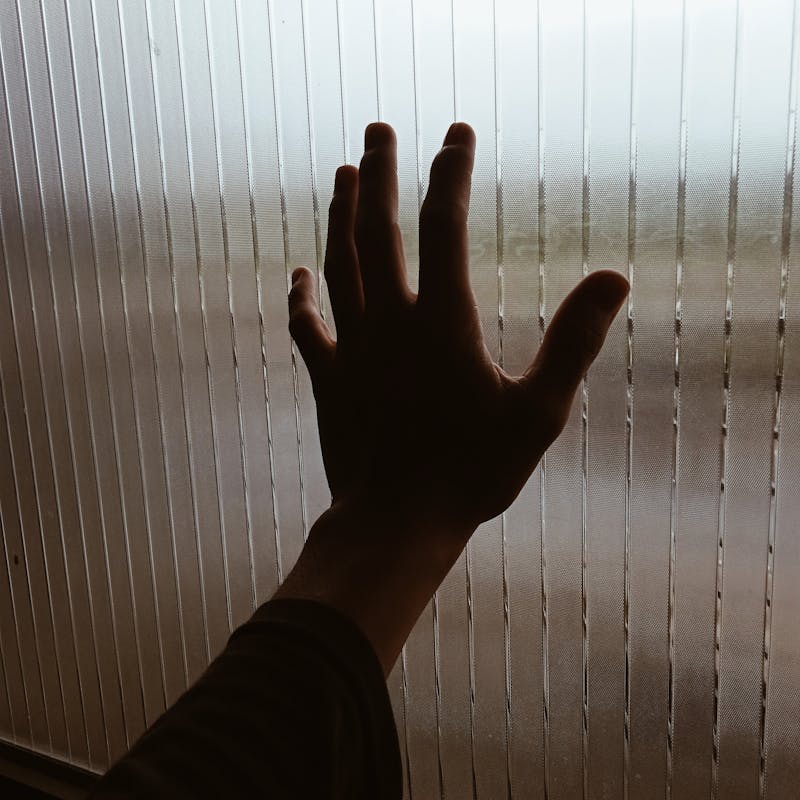
We’ve mistaken motion for meaning.
A familiar ritual plays out in countless kitchens and group chats: someone says they “just need to get away,” and everyone nods like it’s a medical prescription. Plane tickets become self-care, weekend drives become salvation, and any empty patch on the calendar starts to feel suspicious. We’ve built a culture where leaving—temporarily, stylishly, and with the right photos—signals vitality. Standing still, by contrast, can read as failure.
The urge itself isn’t new. People have always traveled for trade, pilgrimage, reinvention, and plain curiosity. What feels newly intense is the moral charge we attach to escape. It’s no longer only about seeing something different; it’s about proving we’re not stuck. We treat restlessness like a personality trait and stillness like a character flaw.
When “Get Away” Becomes a Life Strategy
At first glance, the desire to leave makes perfect sense. Modern life is loud, fast, and mediated. Work follows us on our phones. News and outrage follow us into bed. The world is always asking for a reaction.
So we plan exits. We scroll destinations during meetings. We build small fantasies on top of bigger exhaustion. The getaway becomes a promise: once I’m there, I’ll breathe differently. I’ll think clearly. I’ll remember who I am.
Sometimes that promise holds. A change of scenery can loosen a clenched mind. A few days without routine can reset the nervous system in ways no productivity hack ever will.
But the cultural script has shifted. “Getting away” is increasingly treated not as a tool but as an identity. You aren’t just taking a trip; you’re demonstrating that you are the kind of person who does not tolerate stagnation. That performance can quietly harden into pressure.
The Anxiety Beneath the Itinerary
It’s worth asking what, exactly, we’re fleeing.
For many people, the answer isn’t the job or the city or the relationship—at least not directly. It’s a more intimate discomfort: the fear of being alone with an unedited self. Standing still invites questions we can postpone when we’re busy.
What do I actually want?
What am I avoiding?
If I stop striving, who am I?
Stillness has a way of turning the volume up on whatever we’ve been muting. In motion, we can narrate ourselves. We can be the person “on the way” to something. In stillness, the story pauses, and the silence can feel accusatory.
This isn’t just psychological; it’s social. Our culture often rewards visible effort more than invisible integration. A packed schedule reads as ambition. A quiet weekend can look like emptiness. Even when nobody is judging, we internalize the gaze.
The Marketplace of Escape
The modern getaway is rarely just a private act. It’s an industry.
Travel platforms sell spontaneity with carefully engineered frictionlessness. Resorts sell “unplugging” with Wi-Fi strong enough for three simultaneous video calls. Even the language is packaged: “reset,” “recharge,” “detox,” “escape.”
None of these words are inherently bad. The problem is when they start to function like moral guarantees. If you’re burned out, it’s because you haven’t escaped properly. If you’re unhappy, you need a better view. If you’re anxious, you need a longer weekend.
That’s a profitable message, because it frames inner pain as a logistical problem. Buy a solution. Book a solution. Upgrade the solution.
But a location can’t fix a relationship with yourself. It can only temporarily distract from it—or, in the best cases, illuminate it.
The Subtle Shame of Staying Put
There’s a particular modern embarrassment attached to staying.
Staying in the same job too long can look like complacency. Staying in the same neighborhood can look like a lack of imagination. Staying in the same relationship through boredom or doubt can look like settling.
We’ve been trained to associate movement with courage. The brave person “takes the leap.” The bold person “moves to a new city.” The interesting person is always “planning the next thing.”
Meanwhile, the person who stays is harder to narrate.
Staying requires a different kind of bravery—one that doesn’t photograph as well. It means tending to what’s already here. It means looking directly at your own patterns, your own repeating thoughts, your own complicated attachments.
It means building a life that doesn’t need constant interruption to feel real.
Motion as a Way to Avoid Grief
Sometimes “getting away” is not about boredom but about pain.
Grief, disappointment, loneliness, and regret have a gravitational pull. They make the air feel thicker. They slow your thinking. In those moments, leaving can feel like the only way to survive your own body.
There’s compassion to be had for that impulse. A different environment can help a person endure a difficult season. Many people have found genuine relief by stepping out of familiar contexts.
But the longer-term risk is turning escape into a default response to discomfort. If every hard feeling triggers a departure—literal or symbolic—you don’t learn that feelings can be metabolized.
You learn only that they must be outrun.
Eventually the world runs out of “away” places that are far enough.
What Stillness Actually Offers
Standing still doesn’t mean doing nothing. It means staying present long enough to perceive.
Stillness is where patterns become visible. The same irritation that follows you from job to job. The same relational dynamic that reappears with different faces. The same internal script that whispers you’ll be lovable once you’re thinner, richer, calmer, more impressive.
In motion, you can blame the scenery. In stillness, you start to notice the narrator.
Stillness is also where ordinary pleasures return. Not the adrenaline of novelty, but the slow satisfaction of familiarity: the neighbor who waves every morning, the corner store that knows your order, the evening light on a street you’ve walked a hundred times.
Those things don’t go viral, but they are often what life is made of.
The Paradox of the “Perfect Trip”
There’s a quiet cruelty in the way we idealize travel.
We tell ourselves the getaway will restore us, and then we build an itinerary that mirrors the very intensity we’re trying to escape. We chase landmarks like achievements. We optimize every meal. We document the experience while half-living it.
Then we return home, slightly more tired, vaguely disappointed, and tempted to blame ourselves for not feeling transformed.
The truth is that transformation rarely arrives on schedule.
A trip can open a door, but you still have to walk through it when you’re back in your own kitchen. Otherwise “getting away” becomes a treadmill: movement without arrival.
Learning to Be Where You Are
The alternative to constant escape isn’t a joyless life of obligation. It’s a life where your inner state isn’t entirely dependent on external novelty.
That kind of steadiness is built through small, almost unglamorous practices.
It’s the decision to take a walk without headphones and let your mind wander in its own weather. It’s the willingness to sit through a boring afternoon and see what rises up when you aren’t entertained. It’s the courage to have a difficult conversation rather than fantasize about a different life.
It’s also the ability to make your home—whatever “home” means for you—feel like a place worth inhabiting. Not perfect, not curated, but lived-in. A place where you don’t always feel the need to exit.
Restlessness Isn’t the Enemy
None of this is an argument against travel, ambition, or change.
Restlessness can be a signal. It can mean you’ve outgrown something. It can mean your life needs more beauty, more risk, more friendship, more play. It can mean you’ve been shrinking yourself to fit expectations.
The question is whether your restlessness is guiding you toward a truer life—or just keeping you from facing the one you already have.
A useful test is what happens when the trip ends.
Do you return with clarity, even if it’s uncomfortable? Or do you return with a stronger urge to book the next escape immediately, as if the home you came back to is uninhabitable?
The Quiet Power of Not Leaving
There’s a particular kind of dignity in staying when it would be easier to flee.
Staying doesn’t mean tolerating harm or denying your needs. It means giving your life the attention it deserves. It means letting the same days accumulate until they form something sturdy.
It means allowing boredom to soften into contemplation.
It means accepting that some seasons are not meant to be dramatic; they are meant to be lived.
And it means realizing that “getting away” can be a lovely chapter, but it cannot be the whole story.
In the end, the fear of standing still is often the fear of meeting ourselves without distraction. Yet that meeting—awkward, honest, sometimes tender—is where the real shift happens. Not in the departure lounge. Not in the hotel lobby. But in the ordinary moment when you choose to remain, breathe, and find out what your life is trying to say when you finally stop running.