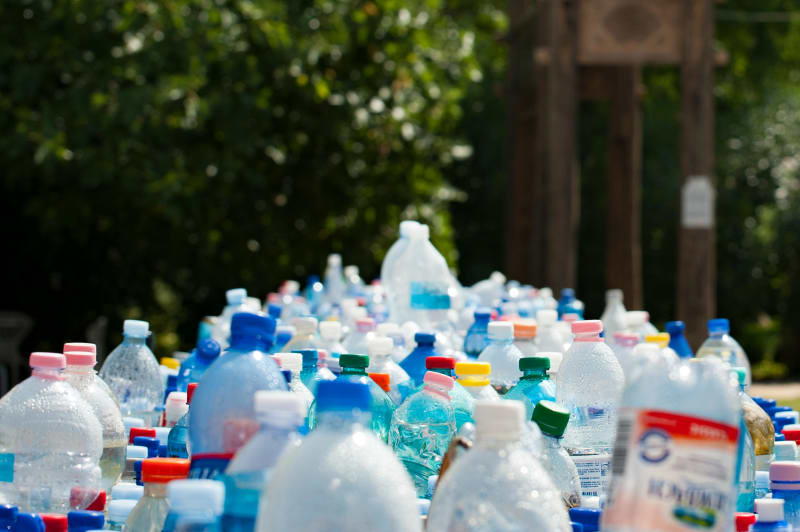
What if your water bottle outlives you—and your grandchildren?
Plastic bottles, especially PET (polyethylene terephthalate) bottles, are designed for convenience. Light, cheap, and durable, they carry our drinks, but they carry something else too: a shocking environmental legacy. Each year, billions of PET bottles are discarded globally. Though labeled "single-use," they are anything but disposable when it comes to nature.
The Slow Disappearance: Why PET Bottles Stick Around
PET plastic is engineered for strength and resistance—qualities that make it last up to 450 years in natural environments. Unlike organic waste, it doesn’t biodegrade; it photodegrades, meaning it breaks down into smaller plastic fragments under sunlight, which in turn become microplastics. These microplastics infiltrate soil, rivers, oceans, and even the food chain.
The problem isn’t just longevity. It’s volume. The average American uses around 167 plastic water bottles per year, and only about 30% of these get recycled. The rest? They clog landfills, drift into oceans, or are incinerated, contributing to air pollution.
A New Path: Recycling as Rebirth
Recycling gives PET bottles a second life—but not without effort. When collected and processed correctly, PET can be converted into:
- New bottles
- Fibers for clothing or carpets
- Packaging materials
- Automotive parts
One iconic example is Patagonia’s fleece jackets, partially made from recycled plastic bottles. Another is Adidas, which partnered with Parley for the Oceans to create sneakers using ocean-recovered plastics.
Still, the energy and logistics required to recycle plastic effectively are massive. Not all recycling systems are equipped to handle PET efficiently, and contamination often makes recycling unfeasible.
Beyond Recycling: Upcycling and Reimagining Waste
Some innovators are pushing boundaries beyond traditional recycling. They're turning PET bottles into raw materials for construction bricks, 3D printing filament, and even modular shelters. In parts of Latin America and Africa, communities are using tightly packed bottles as eco-bricks for walls—an affordable, sustainable building method.
Designers are also embedding bottles into fashion, accessories, and furniture. These upcycled products not only reduce waste but raise awareness of plastic’s life cycle.
Smart Design: Making Bottles Better from the Start
The most promising solution might lie at the very beginning of the supply chain. Eco-conscious brands are designing bioplastics and compostable alternatives to PET. Others are investing in closed-loop systems, where bottles are collected, washed, and reused without re-melting the plastic—a process that saves both energy and material integrity.
Some governments and companies are exploring deposit-return systems, which incentivize consumers to return used bottles by offering small cash rewards. These systems have led to recycling rates of over 90% in countries like Germany and Norway.
A Cultural Shift: From Use-and-Toss to Rethink-and-Respect
To truly reduce PET’s environmental impact, society must change its relationship with plastic. Education plays a critical role: people need to understand that "throwing away" is an illusion. Everything ends up somewhere.
Behavioral nudges—like promoting reusable bottles, installing refill stations, or banning single-use plastics—can also move us toward a more sustainable model.
Conclusion? Think Again
The story of the PET bottle is still being written. Whether it ends in ocean currents or a designer backpack depends on the choices we make. PET plastic may be here for centuries, but what it becomes during that time is up to us.


